권호기사보기
| 기사명 | 저자명 | 페이지 | 원문 | 기사목차 |
|---|
| 대표형(전거형, Authority) | 생물정보 | 이형(異形, Variant) | 소속 | 직위 | 직업 | 활동분야 | 주기 | 서지 | |
|---|---|---|---|---|---|---|---|---|---|
| 연구/단체명을 입력해주세요. | |||||||||
|
|
|
|
|
|
* 주제를 선택하시면 검색 상세로 이동합니다.
| 등록번호 | 청구기호 | 권별정보 | 자료실 | 이용여부 |
|---|---|---|---|---|
| 0002887662 | LM 341.63 -A22-1 | 서울관 서고(열람신청 후 1층 대출대) | 이용가능 |

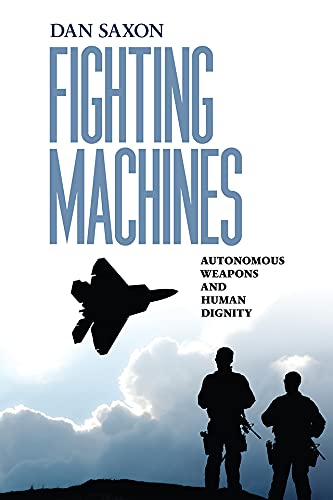
Lethal autonomous weapons are weapon systems that can select and destroy targets without intervention by a human operator. Fighting Machines explores the relationship between lethal autonomous weapons (LAWS), the concept of human dignity, and international law. Much of this analysis speaks to three fundamental and related problems: When a LAWS takes a human life, is that killing a violation of human dignity? Can states and non-state actors use LAWS in accordance with international law? And are there certain responsibilities of human decision-making during wartime that we should not delegate to machines?
In the book, Dan Saxon argues that the use of LAWS to take human life constitutes a violation of human dignity. Rather than concentrating on the victims of the use of lethal force, Saxon instead focuses on the technology and relevant legal principles and rules to advance several propositions. First, as LAWS operate at increasingly greater speeds, their use will undermine the opportunities for, and the value of, human reasoning and judgment. Second, by transferring responsibility for reasoning and judgment about the use of lethal force to computer software, the use of LAWS violates the dignity of the soldiers, commanders, and law enforcement officers who historically have made such decisions, and, therefore, breaches international law. Third, weapon designs that facilitate teamwork between humans and autonomous systems are necessary to ensure that humans and LAWS can operate interdependently so that individuals can fulfil their obligations under international law--including the preservation of their own dignity--and ensure that human reasoning and judgment are available for cognitive functions better suited to humans than machines.
Fighting Machines speaks to the fields of international humanitarian law, human rights, criminal law, and legal philosophy. It will also be of interest to non-lawyers, especially military officers, government policy makers, political scientists, and international relations scholars, as well as roboticists and ethicists.
*표시는 필수 입력사항입니다.
| 전화번호 |
|---|
| 기사명 | 저자명 | 페이지 | 원문 | 기사목차 |
|---|
| 번호 | 발행일자 | 권호명 | 제본정보 | 자료실 | 원문 | 신청 페이지 |
|---|
도서위치안내: / 서가번호:

우편복사 목록담기를 완료하였습니다.
*표시는 필수 입력사항입니다.
저장 되었습니다.
