
 대표어
대표어
권호기사보기
| 기사명 | 저자명 | 페이지 | 원문 | 기사목차 |
|---|
결과 내 검색
동의어 포함
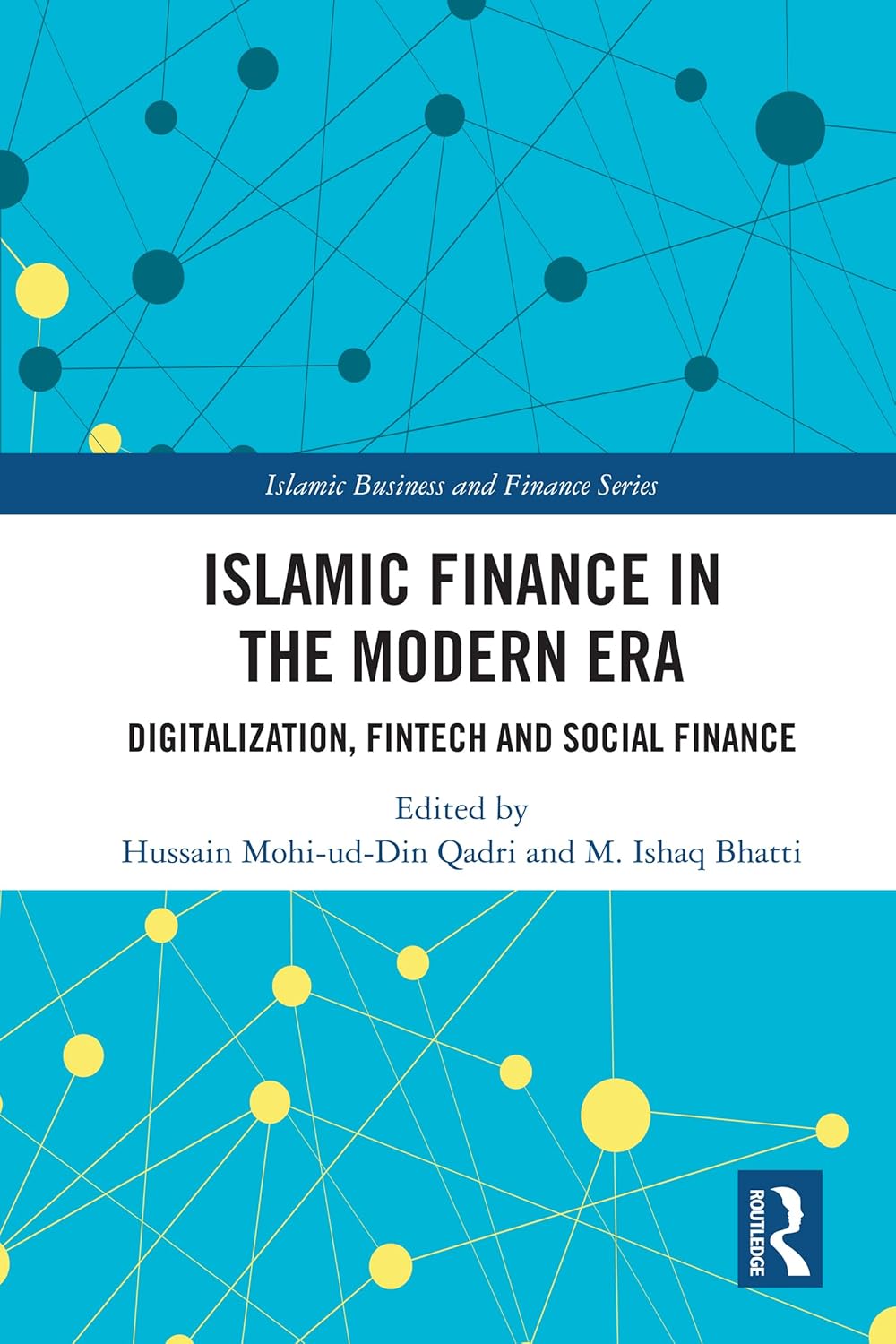
This book focuses on recent developments in financial technology: specifically, how FinTech affects the Islamic finance industry. It examines the challenges of Shariah compliance and explores opportunities for riba-free finance.
The book describes contemporary FinTech solutions, investigating their relation to Islamic financial institutions. It outlines the current status of Islamic FinTech, arguing that it can provide Shariah-compliant innovative financial services to bridge the gap and compete with or complement conventional finance. Islamic FinTech can play a transformational role in making Islamic finance more accessible to a wide range of audiences and can also support the SME sector, which has been significantly impacted by the fallout of the COVID-19 pandemic.
First, the book addresses thematic issues in Islamic finance, including its role in poverty eradication, elevating SMEs, and the Islamic digital economy. Second, it examines Shariah-compliant instruments in Islamic finance. The final part encompasses the risk profile of Islamic finance products and explores mitigation strategies. The book simultaneously presents theories, practice, and key issues, introducing new ideas and perspectives to the Islamic banking and financial community.
The primary audience for the book will be researchers and scholars of Islamic economics and finance, and it will also appeal to practitioners and regulatory bodies.
| 등록번호 | 청구기호 | 권별정보 | 자료실 | 이용여부 |
|---|---|---|---|---|
| 0003174752 | 332.1088297 -A25-1 | 서울관 의원열람실(회관) | 이용불가 |

This book focuses on recent developments in financial technology: specifically, how FinTech affects the Islamic finance industry. It examines the challenges of Shariah compliance and explores opportunities for riba-free finance.
The book describes contemporary FinTech solutions, investigating their relation to Islamic financial institutions. It outlines the current status of Islamic FinTech, arguing that it can provide Shariah-compliant innovative financial services to bridge the gap and compete with or complement conventional finance. Islamic FinTech can play a transformational role in making Islamic finance more accessible to a wide range of audiences and can also support the SME sector, which has been significantly impacted by the fallout of the COVID-19 pandemic.
First, the book addresses thematic issues in Islamic finance, including its role in poverty eradication, elevating SMEs, and the Islamic digital economy. Second, it examines Shariah-compliant instruments in Islamic finance. The final part encompasses the risk profile of Islamic finance products and explores mitigation strategies. The book simultaneously presents theories, practice, and key issues, introducing new ideas and perspectives to the Islamic banking and financial community.
The primary audience for the book will be researchers and scholars of Islamic economics and finance, and it will also appeal to practitioners and regulatory bodies.
This book focuses on recent developments in financial technology, specifically, how Fintech affects the Islamic finance industry.? It?simultaneously presents theories, practice, and key issues and?examines the challenges of shariah compliance and explores opportunities for riba-free finance.
*표시는 필수 입력사항입니다.
| 전화번호 |
|---|
| 기사명 | 저자명 | 페이지 | 원문 | 기사목차 |
|---|
| 번호 | 발행일자 | 권호명 | 제본정보 | 자료실 | 원문 | 신청 페이지 |
|---|
도서위치안내: / 서가번호:

우편복사 목록담기를 완료하였습니다.
*표시는 필수 입력사항입니다.
저장 되었습니다.
