
 대표어
대표어
권호기사보기
| 기사명 | 저자명 | 페이지 | 원문 | 기사목차 |
|---|
결과 내 검색
동의어 포함
| 등록번호 | 청구기호 | 권별정보 | 자료실 | 이용여부 |
|---|---|---|---|---|
| 0003174790 | 338.927094 -A25-1 | 서울관 사회과학자료실(208호) | 이용가능 |

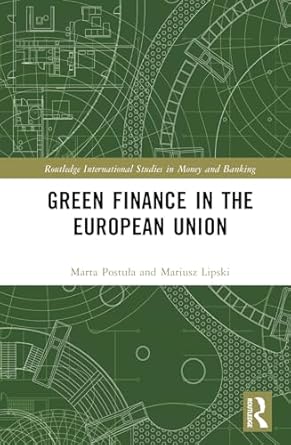
While global challenges continue to reshape the here and now, public and corporate finance management needs to adapt quickly to increase the efficiency of institutions, enterprises and policies to face our new reality. There are very few publications that offer a comprehensive approach to the financing of environmental protection activities by the European Union. This book explores this topic from various angles and levels, as well as highlighting the determinants that influence micro- and macro-level decisions in this area.
It presents an in-depth and unique analysis of the sources of funding for environmental measures implemented by European Union institutions, against the backdrop of national expenditure by Member States, and analyses the plausibility of the adopted targets in the run-up to 2050, in the context of the war in Ukraine and ad hoc energy policy solutions. This book is a voice in an ongoing discussion among the community of practitioners and theoreticians on sources of financing for the energy transition to achieve independence from Russian sources in the quickest possible timeframe. It demonstrates that environmental measures cannot occur without the financial participation of economic actors and financial institutions, particularly the capital market, and further underscores the scale of involvement in environmental projects, as measured by the value of green loans and green bonds covered by European financial institutions. The authors offer policy recommendations for financing activities related to environmental policy, notably energy transition.
This book will appeal to scholars, students and researchers of corporate finance, banking, strategic and public finance management as well as polic-ymakers and practitioners involved in green finance investments.
There are very few publications that offer a comprehensive approach to the financing of environmental protection activities by the European Union. This book explores this topic from various angles and levels, as well as highlighting the determinants that influence micro- and macro-level decisions in this area.
*표시는 필수 입력사항입니다.
| 전화번호 |
|---|
| 기사명 | 저자명 | 페이지 | 원문 | 기사목차 |
|---|
| 번호 | 발행일자 | 권호명 | 제본정보 | 자료실 | 원문 | 신청 페이지 |
|---|
도서위치안내: 사회과학자료실(208호) / 서가번호: 38

우편복사 목록담기를 완료하였습니다.
*표시는 필수 입력사항입니다.
저장 되었습니다.
