
 대표어
대표어
권호기사보기
| 기사명 | 저자명 | 페이지 | 원문 | 기사목차 |
|---|
결과 내 검색
동의어 포함
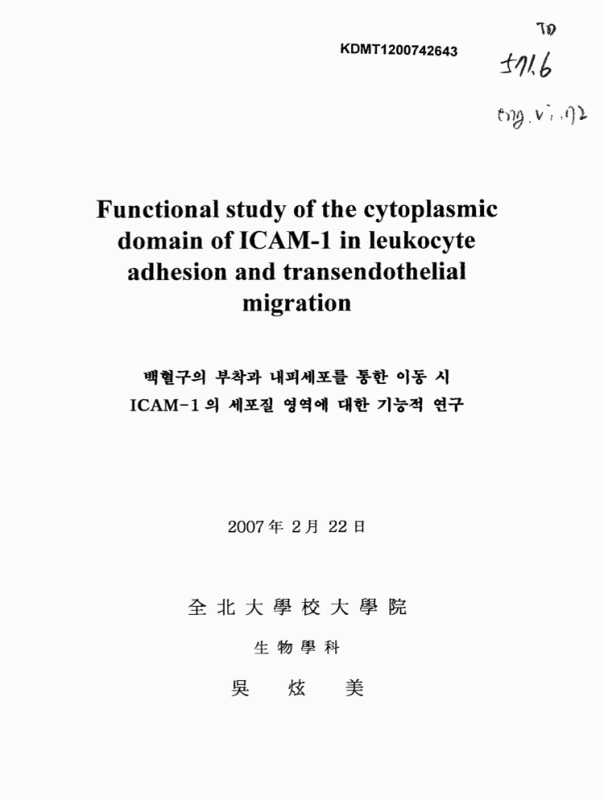
title page
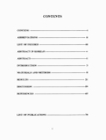
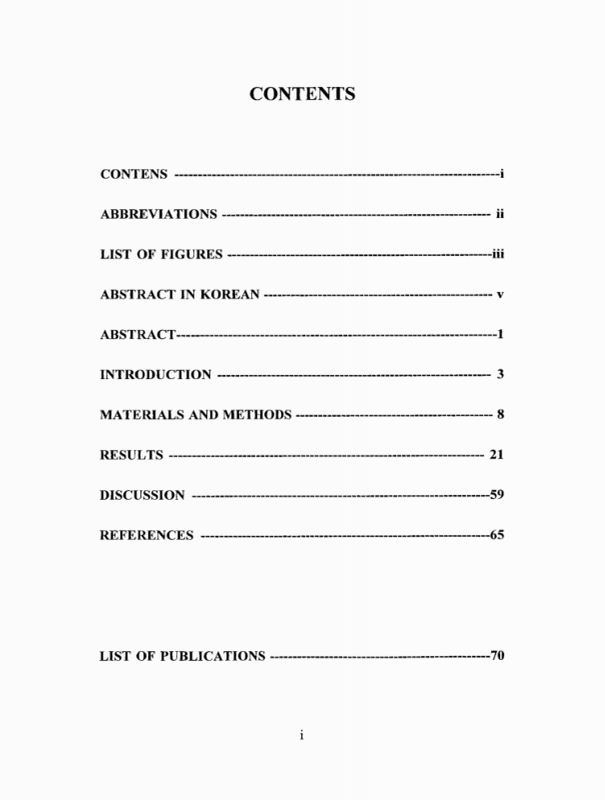
Contents
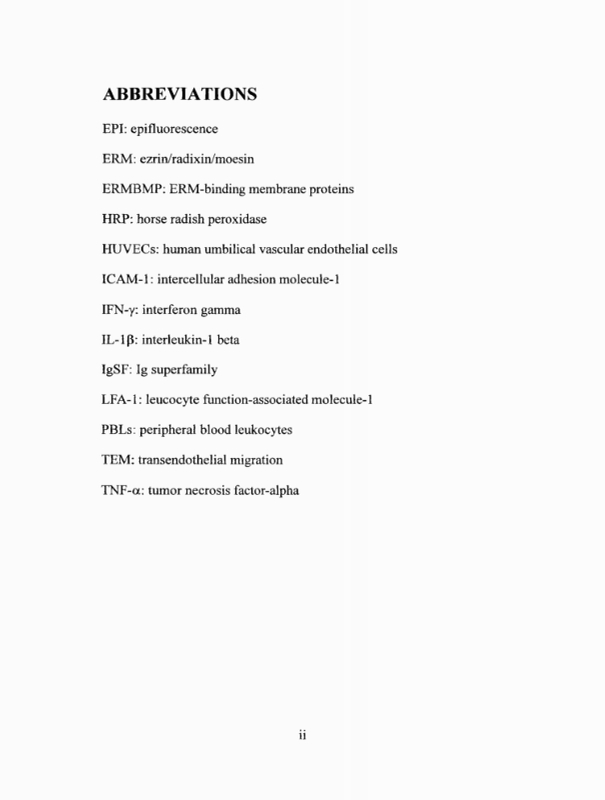
Abbreviations 4
국문초록 7
Abstract 9
Introduction 11
Materials and methods 16
Cell culture 16
Antibodies and reagents 17
Recombinant DNA constructs 17
Penetratin-ICAM-1 peptides 19
Cell transfection and establishment of stable cell lines 20
Immunofluorescence staining and confocal imaging 20
Flow cytometric analysis 21
Immunoprecipitation and western blotting 22
Live cell, time-lapse confocal and EPI fluorescence imaging 23
Scanning electron microscopy 24
FRAP measurements 25
Under-static adhesion and transmigration assays 26
Under-flow adhesion and migration assays 27
Results 29
The distribution and dynamic movements of ICAM-1 on transfected COS-7 cells 29
Intracellular domain of ICAM-1 involves in microvillar organizationand F-actin formation 37
RKIKK motif in cytoplasmic domain is critical for the spatialorganization and dynamic behavior of ICAM-1 during leukocyteadhesion and transmigration 47
Cell-permeant peptides comprising the RKIKK motif attenuate ICAM-1-redistribution during leukocyte adhesion and migration and inhibitTEM of leukocytes 61
Discussion 67
References 73
List of publications 78
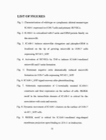
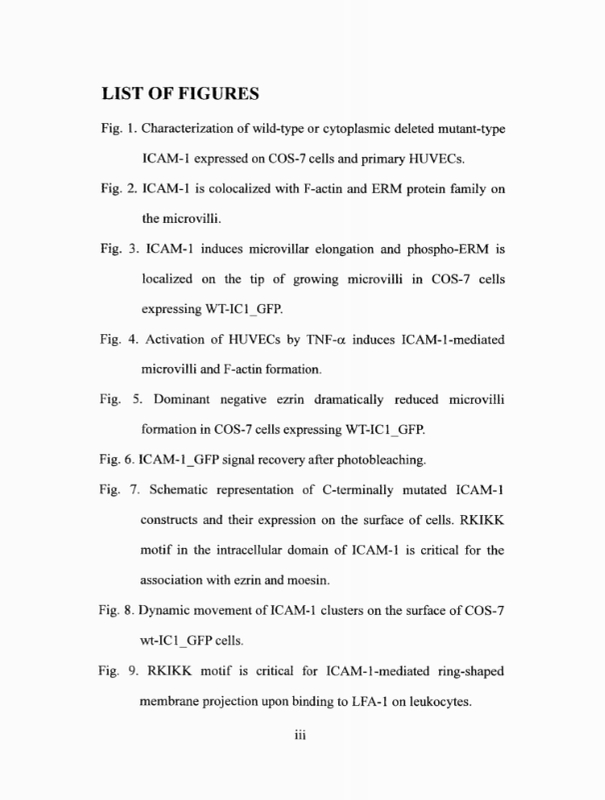
Figure 1A. Characterization of COS-7 cell lines that weretransfected with cDNAs containing wild-type ICAM-1 or ICAM-1lacking cytoplasmic domain 31
Figure 1B and C. Characterization and expression analysis of COS-7 cell lines and primary HUVECs that were transfected with cDNAscontaining wild-type ICAM-1 or ICAM-1 lacking cytoplasmic domain 32
Figure 1D and E. Time-lapse live cell confocal microscopic analysisof ICAM-1-GFP proteins expressed on COS-7 cells 33
Figure 2A. WT-ICAM-1 was colocalized with F-actin in microvilli while DCTD-ICAM-1 did not 35
Figure 2B and C. ICAM-1 lacking cytoplasmic domain revealedreduced colocalization with ERM family 36
Figure 3A. Overexpression of ICAM-1 induced F-actin formationand microvillar elongation 38
Figure 3B. WT-ICAM-1 induced microvillar elongation in COS-7 cells 39
Figure 3C. Phospho-ERM was localized on the tip of growing microvilli in COS-7 cells expressing WT-IC1_GFP 41
Figure 4. Activation of HUVECs by TNF-α induces ICAM-1-mediated microvilli and F-actin 42
Figure 5A. DN-Ezrin_RFP dramatically reduced microvilliformation in that cells expressing wild-type ICAM-1_GFP 43
Figure 5B and C. PECAM-1 was not directly involved in the microvilli formation, but instead it was clustered on the microvilli of COS-7 cells overexpressing WT-Ezrin or WT-ICAM-1 44
Figure 6. ICAM-1_GFP signal recovery after photobleaching 46
Figure 7A and B. Schematic representation of C-terminally mutated ICAM-1-GFP constructs and their expression on the surface of cells 49
Figure 7C. Localization of various constructs of ICAM-1-GFP withF-actin in COS-7 cells 50
Figure 8. Dynamic movement of ICAM-1 clusters on the surface ofCOS-7 wt-IC1_GFP cells 52
Figure 9A and B. RKIKK motif was critical for ICAM-1-mediated ring-shaped membrane projection upon binding to LFA-1 on leukocytes 54
Figure 9C and D 55
Figure 10A. Leukocyte binding to and migration on monolayers of COS-7 cells that express wt-IC1 in a parallel wall flow chamber 57
Figure 10B. Leukocyte binding to and migration on monolayers of COS-7 cells that express IC1△RKIKK in a parallel wall flow chamber 58
Figure 11A and B. Adhesion of human PBLs on COS-7 cells expressing wild-type and mutants ICAM-1 was performed in the presence or absence of SDF-1α (A) or CBR-LFA-1/2 mAb (B) underthe static flow condition 59
Figure 11C. RKIKK motif is important for leukocyte migration butnot for firm adhesion 60
Figure 12A. Effects of penetratin-ICAM-1 peptides on the leukocyte adhesion on and transmigration through HUVECs under the staticflow condition 64
Figure 12B and C. Effects of penetratin-ICAM-1 peptides on thedynamic distribution of ICAM-1 (B), leukocytes adhesion on andtransmigration (C) through endothelial cells in a parallel wall flow chamber 65
Figure 13. Proposed model of leukocyte adhesion on andtransmigration through endothelial cells 66
*표시는 필수 입력사항입니다.
| 전화번호 |
|---|
| 기사명 | 저자명 | 페이지 | 원문 | 기사목차 |
|---|
| 번호 | 발행일자 | 권호명 | 제본정보 | 자료실 | 원문 | 신청 페이지 |
|---|
도서위치안내: / 서가번호:

우편복사 목록담기를 완료하였습니다.
*표시는 필수 입력사항입니다.
저장 되었습니다.
