
 대표어
대표어

권호기사보기
| 기사명 | 저자명 | 페이지 | 원문 | 기사목차 |
|---|
결과 내 검색
동의어 포함
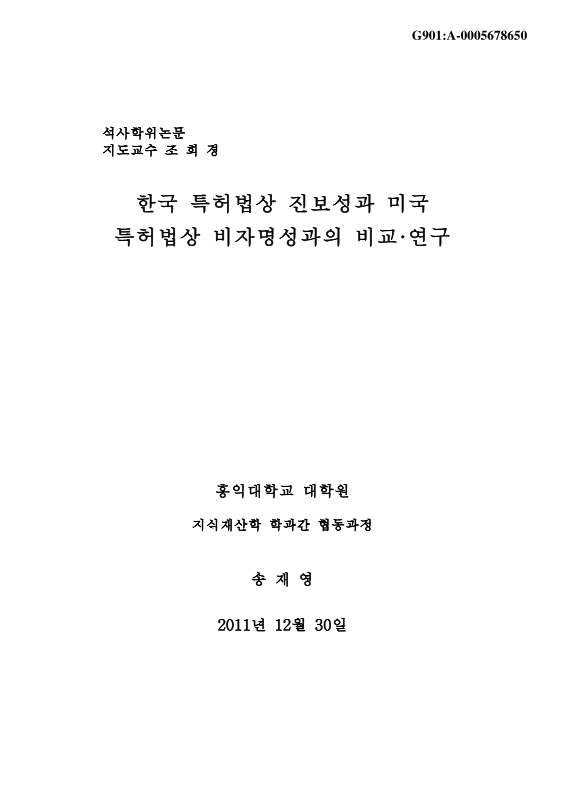
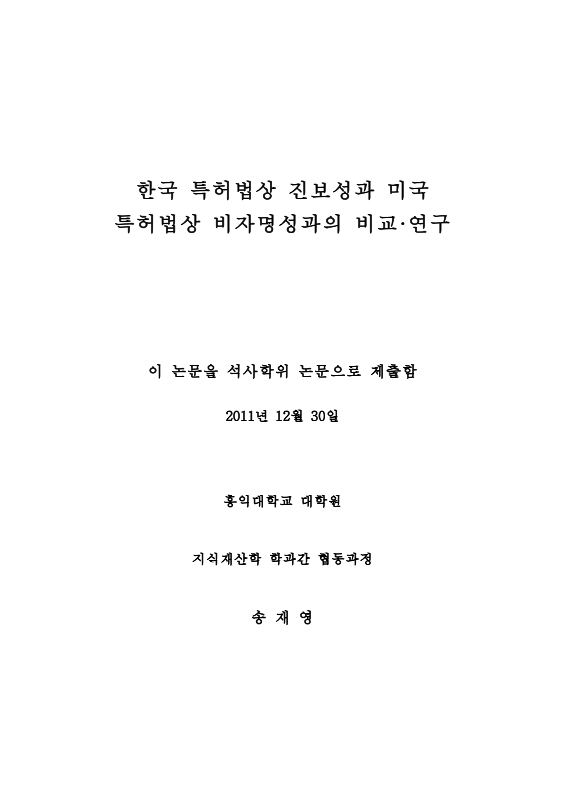
표제지
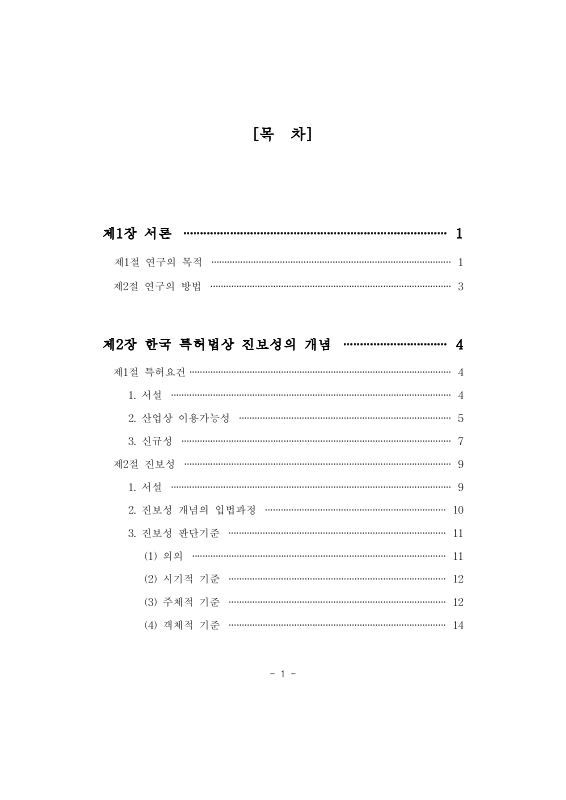
목차
제1장 서론 10
제1절 연구의 목적 10
제2절 연구의 방법 12
제2장 한국 특허법상 진보성의 개념 13
제1절 특허요건 13
1. 서설 13
2. 산업상 이용가능성 14
3. 신규성 16
제2절 진보성 18
1. 서설 18
2. 진보성 개념의 입법과정 19
3. 진보성 판단기준 20
4. 진보성 판단방법 23
5. 진보성 판단절차 28
6. 진보성 판단시 고려사항 29
7. 발명의 유형에 따른 진보성 판단 43
제3장 미국 특허법상 비자명성의 개념 51
1. 서설 51
2. 관련 규정 52
(1) 미국 특허법 제103조 53
(2) 미국 특허심사절차 매뉴얼(MPEP ; Manual of Patent Examining Procedure) 53
3. 미국 특허법의 변천과정 63
4. 판례에 따른 비자명성 개념의 발전과정 64
(1) Hotchkiss 사건 64
(2) Cuno 사건 66
(3) Graham 사건 67
(4) 미국 연방순회항소법원(CAFC)43)의 TSM 테스트 69
(5) KSR 사건46) 73
(6) KSR 사건 이후의 특허등록율 및 소송동향 분석 89
(7) KSR 사건 이후의 판례 95
5. 비자명성 판단기준 99
(1) 선행기술의 영역과 내용 99
(2) 유사 또는 비유사 기술 100
(3) 당업자의 통상의 기술수준 102
(4) 일응의 자명성에 대한 법적 개념 103
제4장 한국과 미국의 진보성 비교 105
1. 진보성 판단 기준시점 105
(1) 한국의 진보성 판단 기준시점 105
(2) 미국의 비자명성 판단 기준시점 106
2. 진보성 판단주체 107
(1) 한국의 진보성 판단주체 107
(2) 미국의 비자명성 판단주체 107
3. 진보성 판단 절차 109
(1) 한국의 진보성 판단 절차 109
(2) 미국의 비자명성 판단 절차 110
(3) 정리 111
4. 진보성 판단시 비유사 기술분야의 선행기술 인용가능 여부 112
(1) 한국 112
(2) 미국 113
5. 진보성 판단시 사후적 고찰의 금지 113
(1) 한국 113
(2) 미국 114
6. 2차적 고려요소 115
(1) 한국의 2차적 고려요소에 대한 판단 115
(2) 미국의 2차적 고려요소에 대한 판단 117
제5장 미국 출원시 대응방안 129
1. 서설 129
2. 미국 출원시 대응방안 129
① 2차적 고려요소 129
② 심사관과의 전화 인터뷰 활용 130
③ 비교 테스트 결과 제출 131
④ 연구개발시 단계별 선행기술조사 실시 131
제6장 결론 132
참고 문헌 135
ABSTRACT 137
그림 1. Teleflex 특허 대표 도면 76
그림 2. 미국 특허 등록율 89
그림 3. 연방순회항소법원(CAFC)의 자명성 판결 92
그림 4. 미국연방지방법원의 자명성 판결 93
Recently, there were two cases that the importance of the patent was reaffirmed. One was that the Apple consortium bought 6,000 patents of the bankrupt company, the Notel, by paying $4.5 billion, and the other was that Google bought the cellular division of Motorola by paying $12.5 billion. The reason that the Apple and Google bought the patent of Notel and the cellular divison of Motorola was to protect their company from the competitor's patent litigation. Patent is the weapon that a company can protect itself from its competitors. The importance of patent has grown increasingly.
The purpose of this study is to compare the inventive step of Korean patent law with the non-obviousness of US patent law, and to study the changed criteria of non-obviousness after the KSR ruling of US Supreme Court, and finally to provide the solution of improving the granting of patent from the point of view of an applicant.
I explained the requirement for patent of Korean patent law, such as industrial applicability, novelty, inventive step. And after that, I explained the criteria and how to determine the inventive step. And I explained how to secondary consideration when the examiner determined the inventive step of the invention with the precedent of Korean courts.
I explained the non-obviousness of US patent law and important cases about the non-obviousness. And after that, I explained the KSR ruling of US Supreme Court in detail, and the changed of criteria of non-obviousness after the KSR.
Finally, I tried to provide the the soultion of improving the granting of patent at the last part of this study. The first solution is the secondary consideration. The second solution is the telephone interview with the examiner. The third solution is the submission of the result of comparison test. The fourth solution is the implementation of the prior art search.*표시는 필수 입력사항입니다.
| 전화번호 |
|---|
| 기사명 | 저자명 | 페이지 | 원문 | 기사목차 |
|---|
| 번호 | 발행일자 | 권호명 | 제본정보 | 자료실 | 원문 | 신청 페이지 |
|---|
도서위치안내: / 서가번호:

우편복사 목록담기를 완료하였습니다.
*표시는 필수 입력사항입니다.
저장 되었습니다.
