
 대표어
대표어
권호기사보기
| 기사명 | 저자명 | 페이지 | 원문 | 기사목차 |
|---|
결과 내 검색
동의어 포함
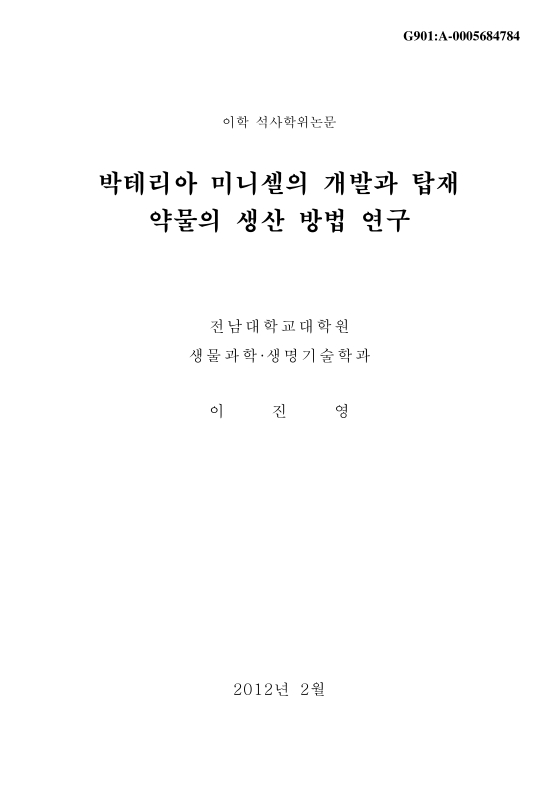
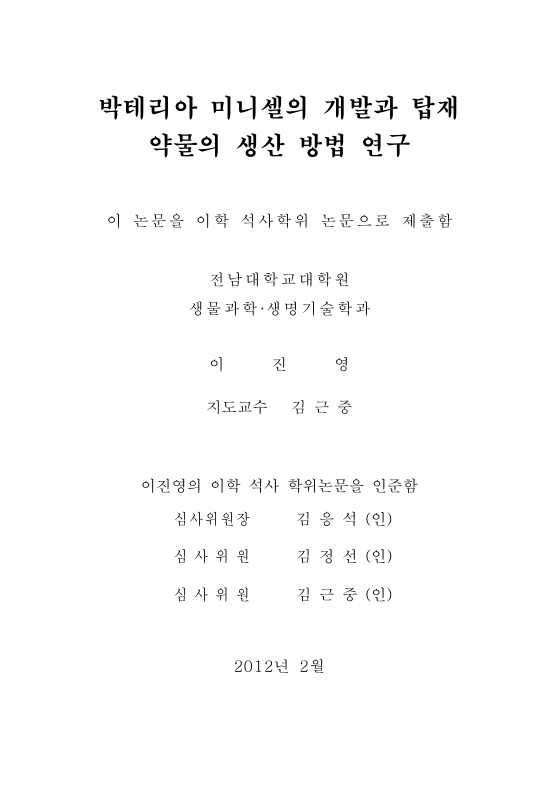
표제지
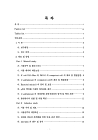
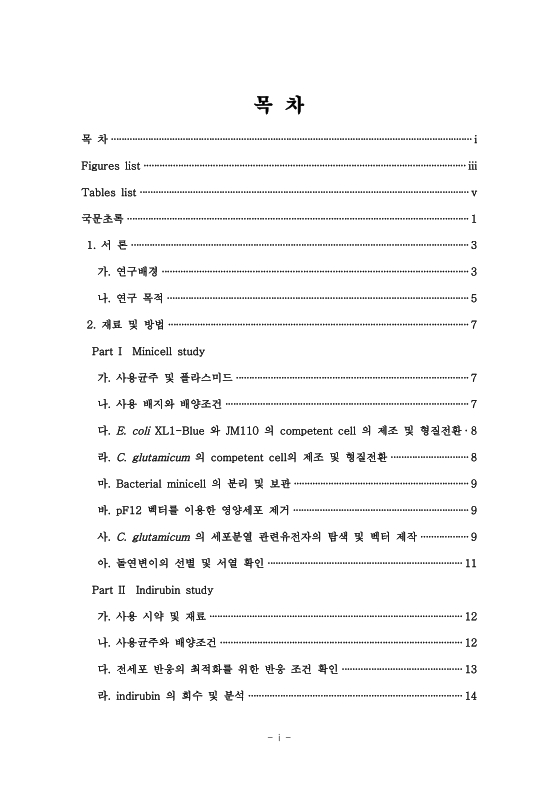
목차
국문초록 8
1. 서론 10
가. 연구배경 10
나. 연구 목적 12
2. 재료 및 방법 14
Part I. Minicell study 14
가. 사용균주 및 플라스미드 14
나. 사용 배지와 배양조건 14
다. E. coli XL1-Blue 와 JM110 의 competent cell 의 제조 및 형질전환 15
라. C. glutamicum 의 competent cell의 제조 및 형질전환 15
마. 박테리아 minicell 의 분리 및 보관 16
바. pF12 벡터를 이용한 영양세포 제거 16
사. C. glutamicum 의 세포분열 관련유전자의 탐색 및 벡터 제작 16
아. 돌연변이의 선별 및 서열 확인 18
Part II. Indirubin study 19
가. 사용 시약 및 재료 19
나. 사용균주와 배양조건 19
다. 전세포 반응의 최적화를 위한 반응 조건 확인 20
라. indirubin 의 회수 및 분석 21
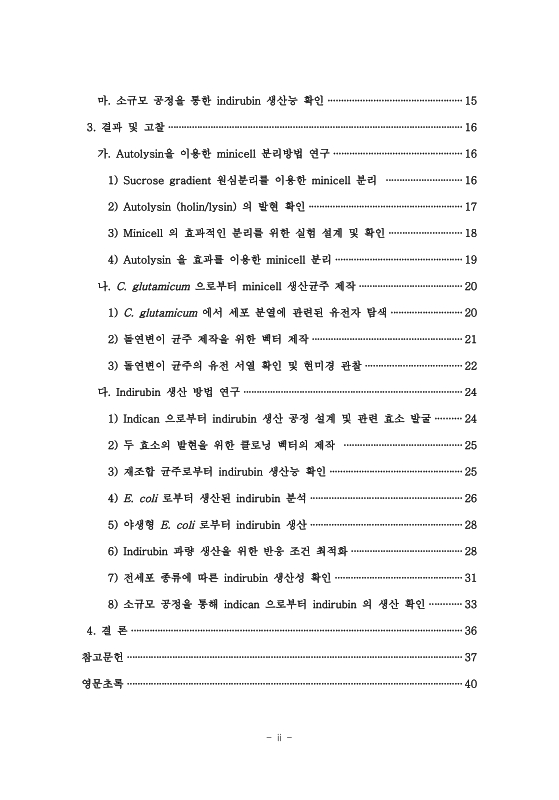
마. 소규모 공정을 통한 indirubin 생산능 확인 22
3. 결과 및 고찰 23
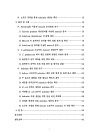
가. Autolysin을 이용한 minicell 분리방법 연구 23
1) Sucrose gradient 원심분리를 이용한 minicell 분리 23
2) Autolysin (holin/lysin) 의 발현 확인 24
3) Minicell 의 효과적인 분리를 위한 실험 설계 및 확인 25
4) Autolysin 의 효과를 이용한 minicell 분리 26
나. Corynebacterium glutamicum 으로부터 minicell 생산균주 제작 27
1) C. glutamicum 에서 세포 분열에 관련된 유전자 탐색 27
2) 돌연변이 균주 제작을 위한 벡터 제작 28
3) 돌연변이 균주의 유전 서열 확인 및 현미경 관찰 29
다. Indirubin 생산 방법 연구 31
1) Indican 으로부터 indirubin 생산 공정 설계 및 관련 효소 발굴 31
2) 두 효소의 발현을 위한 클로닝 벡터의 제작 32
3) 재조합 균주로부터 indirubin 생산능 확인 32
4) E. coli 로부터 생산된 indirubin 분석 33
5) 야생형 E. coli 로부터 indirubin 생산 35
6) Indirubin 과량 생산을 위한 반응 조건 최적화 35
7) 전세포 종류에 따른 indirubin 생산성 확인 38
8) 소규모 공정을 통해 indican 으로부터 indirubin 의 생산 확인 40
4. 결론 43
참고문헌 44
Abstract 47
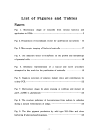
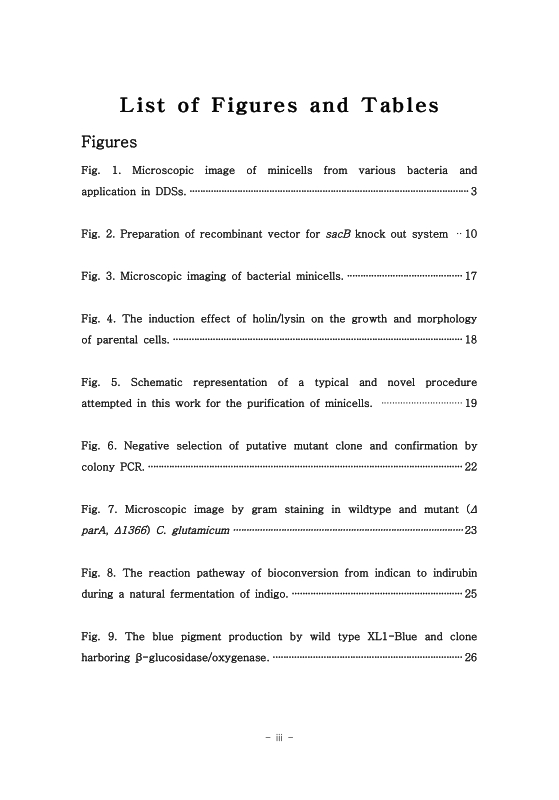
Figure 1. Microscopic image of minicells from various bacteria (A) and application in DDSs (B). 10
Figure 2. Preparation of recombinant vector for sacB knock out system 17
Figure 3. Microscopic imaging of bacterial minicells. 24
Figure 4. The induction effect of holin/lysin on the growth and morphology of parental cells. 25
Figure 5. Schematic representation of a typical (A) and novel procedure (B) attempted in this work, for the purification of minicells. 26
Figure 6. Negative selection of putative mutant clone (A) and confirmation of mutant clones by colony PCR. 29
Figure 7. Microscopic image by gram staining in wild type and mutant (Δ parA, Δ1366) C. glutamicum 30
Figure 8. The reaction patheway of bioconversion from indican to indirubin during a natural fermentation of indigo. 32
Figure 9. The blue pigment production by wild type XL1-Blue (A) and clone harboring β-glucosidase/oxygenase (B). 33
Figure 10. HPLC (A) and H-NMR (B) analysis of putative indirubin and the standard. 34
Figure 11. Effect of pH on the conversion yields of indirubin from indican. 36
Figure 12. Effects of temperature on the conversion yields of indirubin from indican. 37
Figure 13. Effects of culture medium on the conversion yields of indirubin from indican. 38
Figure 14. Comparison of indirubin production yields of E. coli and related strains. 39
Figure 15. Small scale conversion of indirubin from indican using wild type E. coli. 40
*표시는 필수 입력사항입니다.
| 전화번호 |
|---|
| 기사명 | 저자명 | 페이지 | 원문 | 기사목차 |
|---|
| 번호 | 발행일자 | 권호명 | 제본정보 | 자료실 | 원문 | 신청 페이지 |
|---|
도서위치안내: / 서가번호:

우편복사 목록담기를 완료하였습니다.
*표시는 필수 입력사항입니다.
저장 되었습니다.
