
 대표어
대표어
권호기사보기
| 기사명 | 저자명 | 페이지 | 원문 | 기사목차 |
|---|
결과 내 검색
동의어 포함
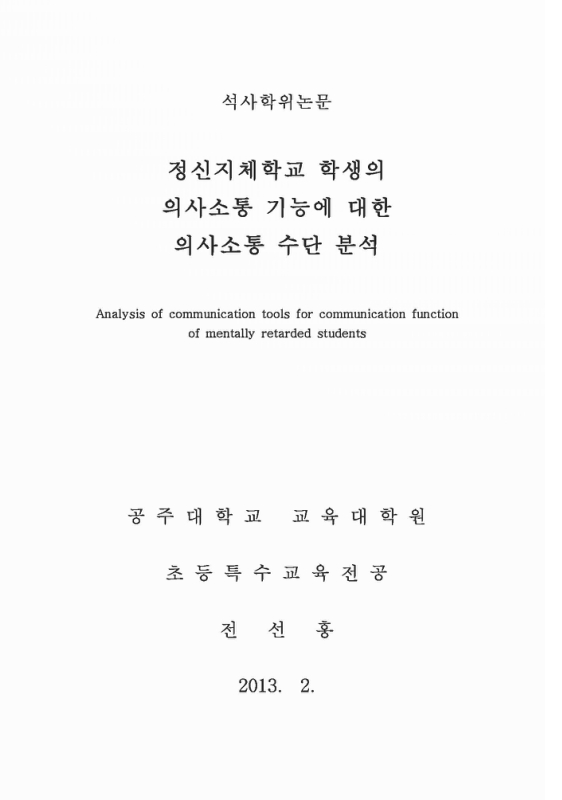
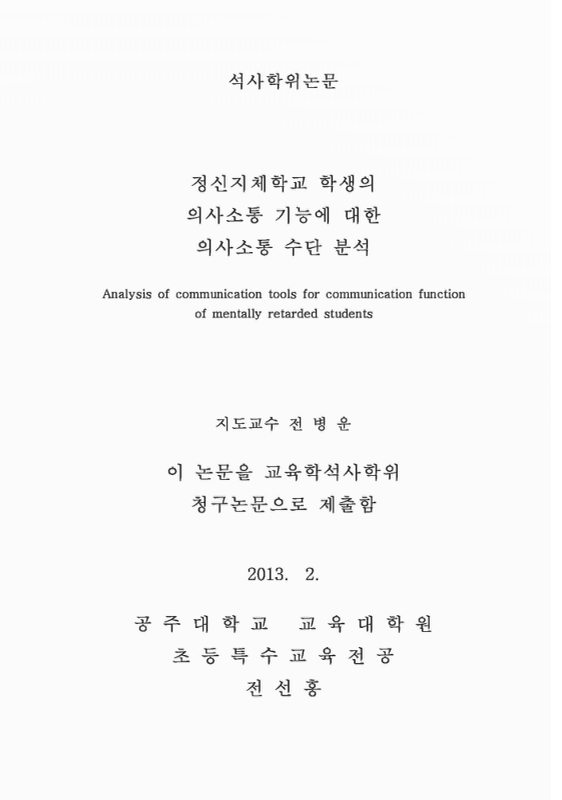
표제지
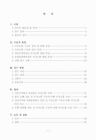
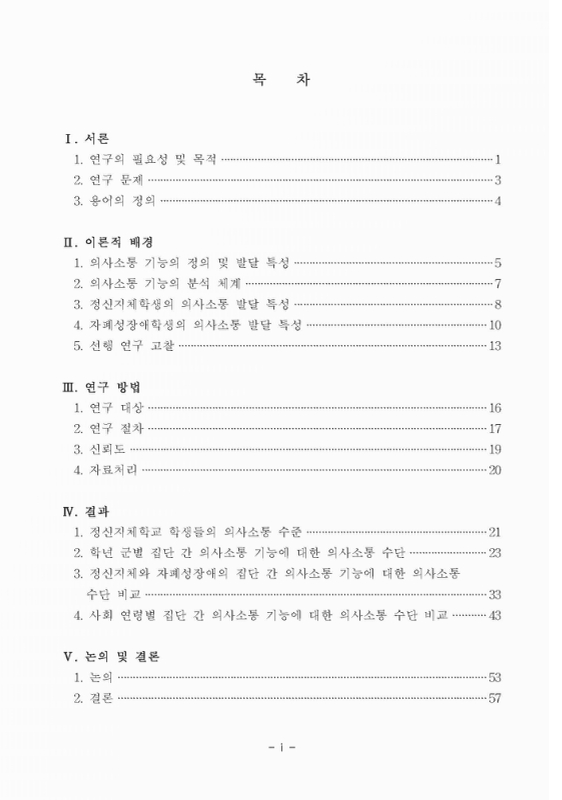
목차
I. 서론 8
1. 연구의 필요성 및 목적 8
2. 연구 문제 10
3. 용어의 정의 11
1) 의사소통 기능 11
2) 의사소통 수단 11
II. 이론적 배경 12
1. 의사소통 기능의 정의 및 발달 특성 12
1) 의사소통 기능의 정의 12
2) 의사소통 기능의 발달 특성 13
2. 의사소통 기능 분석 체계 14
3. 정신지체 학생의 의사소통 발달 특성 15
4. 자폐성장애학생의 의사소통 발달 특성 17
1) 의사소통 의도 및 규칙 17
2) 의사소통 기능 19
5. 선행 연구 고찰 20
III. 연구 방법 23
1. 연구 대상 23
2. 연구 절차 24
1) 평가자 선정 24
2) 예비조사 25
3) 본 조사 25
4) 자료 분석 26
3. 신뢰도 26
4. 자료처리 27
IV. 결과 28
1. 정신지체학교 학생들의 의사소통 수준 28
2. 학년 군별 집단 간 의사소통 기능에 대한 의사소통 수단 30
1) 요구(request) 30
2) 반응(response) 31
3) 객관적 표현(comments) 33
4) 주관적 표현(statements) 34
5) 대화내용 수신표현(Acknowledge) 36
6) 대화내용 구성요소(Organization Device) 37
7) 발전된 표현(Advanced Speech Act) 39
3. 정신지체와 자폐성장애의 집단 간 의사소통 기능에 대한 의사소통 수단 비교 40
1) 요구(request) 40
2) 반응(response) 42
3) 객관적 표현(comments) 43
4) 주관적 표현(statements) 45
5) 대화내용 수신표현(Acknowledge) 47
6) 대화내용 구성요소(Organization Device) 48
7) 발전된 표현(Advanced Speech Act) 49
4. 사회 연령별 집단 간 의사소통 기능에 대한 의사소통 수단 비교 50
1) 요구(request) 50
2) 반응(response) 51
3) 객관적 표현(comments) 53
4) 주관적 표현(statements) 55
5) 대화내용 수신표현(Acknowledge) 56
6) 대화내용 구성요소(Organization Device) 57
7) 발전된 표현(Advanced Speech Act) 59
V. 논의 및 결론 60
1. 논의 60
2. 결론 64
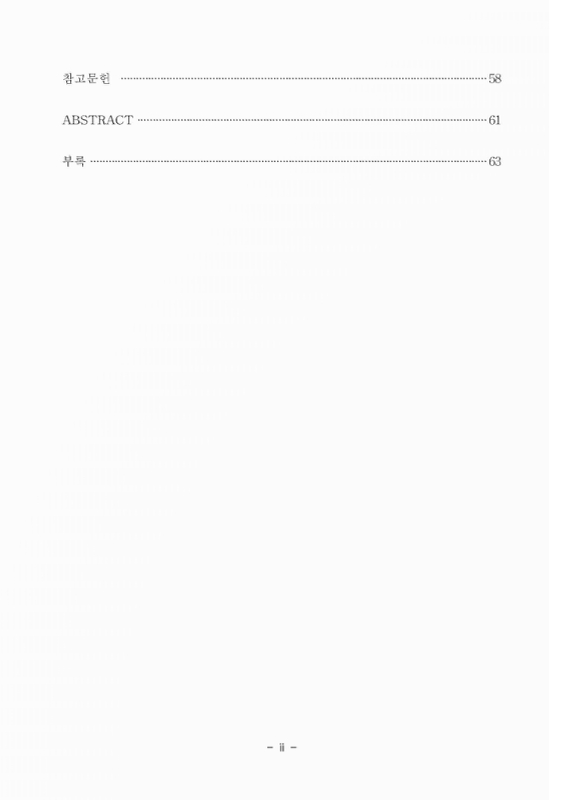
참고문헌 65
ABSTRACT 68
부록 70
〈부록-1〉 의사소통기능의 정의와 평가 예시 및 수단(홍경훈 & 김영태, 2001) 71
〈부록-2〉 의사소통 하위 기능별 사용 가능한 수단에 대한 평가 기준 예 75
〈부록-3〉 의사소통 기능 관찰 평가지 76
This study analyzed the communication tools for communication function of 267 children who attend the school for mentally retarded students. The example questions for each communication function were developed based on the communication analysis system by Kyung Hun Hong and Young Tae Kim (2001), who modified the table for conversational acts by Dore. The communication tools were classified into 'unable-to-communicate', 'gesture/sound', and 'words' and the class teachers were asked to monitor how the participating students communicate in everyday life in school, evaluate their communication tools they use, and write their actual reactions.
In order to find out mentally retarded students' communication tools for communication function, group composition was set as the independent variable, and 'unable-to-communicate', 'gesture/sound', and 'words' were set as the dependent variables. A χ²-testwasperformedatasignificancelevelof0.05.
The results are as follows. First, 66.7% of the mentally retarded students used 'words' as their communication tools. Among those 'words' used by the students, 'single-word sentence' was 18.4%, ' three-word sentence' was 15%, and 'two-word sentence' was 9.7%. 25.1% of the students used 'gesture/sound' and 8.2% of them were 'unable to communicate'.
Second, for the communication tools for subcategory communication function among those graders in the school for mentally retarded students, there was significant difference among the groups for 'request of clarification', 'adaptation', 'objective expression for events or status', 'subjective expression for internal report', and 'ceremonial greetings' and 'selecting perspectives in telling a story'.
Third, with regard to the communication tools for communication function between mentally retarded students and the students with autism disorder, there was significant difference for every communication function.
Fourth, in terms of the communication tools for communication function among the groups of different social ages, significant difference was shown for every communication function.*표시는 필수 입력사항입니다.
| 전화번호 |
|---|
| 기사명 | 저자명 | 페이지 | 원문 | 기사목차 |
|---|
| 번호 | 발행일자 | 권호명 | 제본정보 | 자료실 | 원문 | 신청 페이지 |
|---|
도서위치안내: / 서가번호:

우편복사 목록담기를 완료하였습니다.
*표시는 필수 입력사항입니다.
저장 되었습니다.
