
 대표어


권호기사보기
| 기사명 | 저자명 | 페이지 | 원문 | 기사목차 |
|---|
결과 내 검색
동의어 포함
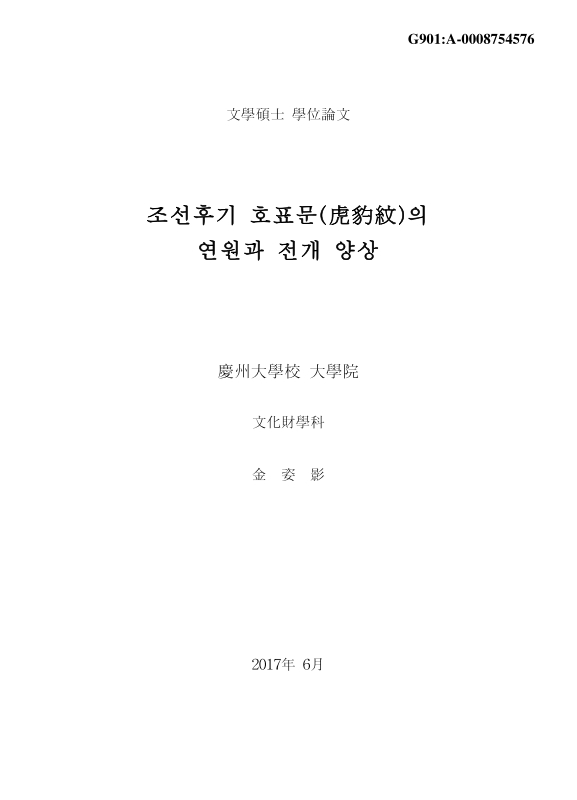
표제지
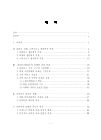
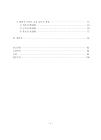
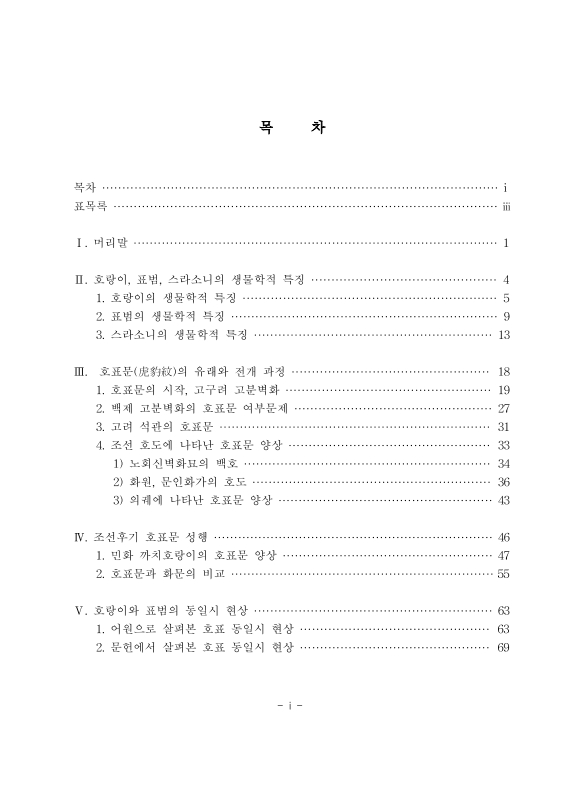
목차
I. 머리말 7
II. 호랑이, 표범, 스라소니의 생물학적 특징 10
1. 호랑이의 생물학적 특징 10
2. 표범의 생물학적 특징 14
3. 스라소니의 생물학적 특징 18
III. 호표문(虎豹紋)의 유래와 전개 과정 23
1. 호표문의 시작, 고구려 고분벽화 24
2. 백제 고분벽화의 호표문 여부문제 32
3. 고려 석관의 호표문 36
4. 조선 호도에 나타난 호표문 양상 38
1) 노회신벽화묘의 백호 39
2) 화원, 문인화가의 호도 40
3) 의궤에 나타난 호표문 양상 48
IV. 조선후기 호표문 성행 51
1. 민화 까치호랑이의 호표문 양상 51
2. 호표문과 화문의 비교 59
V. 호랑이와 표범의 동일시 현상 67
1. 어원으로 살펴본 호표 동일시 현상 67
2. 문헌에서 살펴본 호표 동일시 현상 73
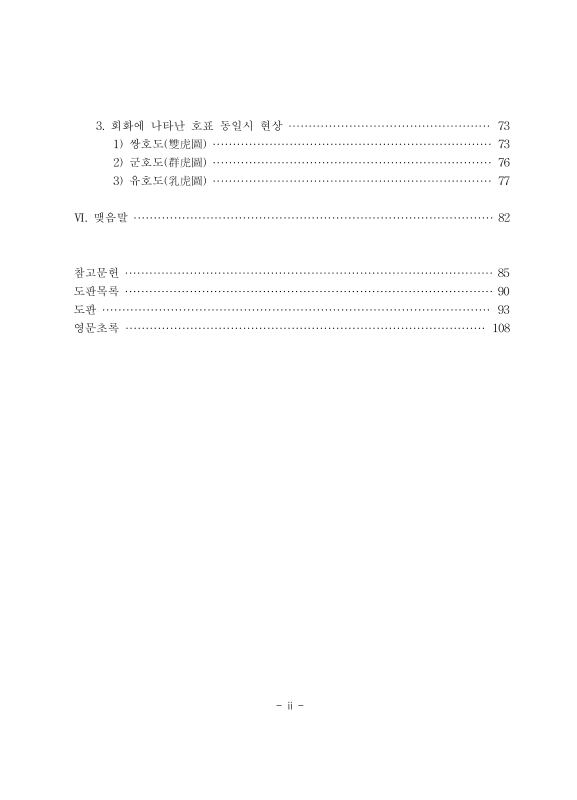
3. 회화에 나타난 호표 동일시 현상 77
1) 쌍호도(雙虎圖) 77
2) 군호도(群虎圖) 80
3) 유호도(乳虎圖) 80
VI. 맺음말 86
참고문헌 89
영문초록 111
〈도 1〉 호랑이 분포도. 97
〈도 2〉 한국호랑이와 남중국호랑이 비교. 97
〈도 3〉 1962년 경남 합천군에서 잡혀 서... 97
〈도 4〉 동아일보 1925년 5월 1일자(號... 97
〈도 5〉 1930년대 한국, 스라소니를 안고... 97
〈도 6〉 1964년 스라소니 북한 우표. 97
〈도 7〉 스라소니. 98
〈도 8〉 단호흉배 98
〈도 9〉 호작도, 작가미상, 조... 98
〈도 10〉 울산 반구대 암각화 (국보 제285호). 98
〈도 11〉 무용총수렵도, 고구려, 5세기 전반, 중국... 98
〈도 12〉 호작도, 18... 99
〈도 13〉 호작도, 19세... 99
〈도 14〉 호작도, 19세... 99
〈도 15〉 호작도, 19세기 99
〈도 16〉 매산리사신총 백호, 고구려,... 99
〈도 17〉 강서대묘 백호, 고구려, 6세기말-7세... 99
〈도 18〉 강서중묘 백호, 고구려, 7세기, 평안남... 100
〈도 19〉 공주 송산리 6호분 백호, 6세기 전... 100
〈도 20〉 능산리 1호분(동하총) 백호. 100
〈도 21〉 사신문 석관 백호, 고려시대, 13세기 100
〈도 22〉 장충의(1109~1180년) 석관 백호부... 100
〈도 23〉 고려 석관 백호 부분 100
〈도 24〉 노회신벽화묘 석실 평면... 101
〈도 25〉 원주 동화리 벽화묘(노회신 묘), 2호 석실... 101
〈도 26〉 고운, 백액대호, 16세기 초 101
〈도 27〉 김익주, 虎圖, 1720년대... 101
〈도 28〉 정묘조왕세자책례계병, 1800년 102
〈도 28-1〉 정묘조왕세자책례계병 7폭 부분도. 102
〈도 29〉 이의양, 山君... 103
〈도 30〉 김득신, 〈松下母... 103
〈도 31〉 유숙 ,虎圖, 19세기, 저... 103
〈도 32〉 찬궁, 『정조건릉산릉도감의... 103
〈도 33〉 『선조목릉천장... 103
〈도 34〉 『효종영릉산릉... 103
〈도 35〉 『인선왕후영릉산릉... 104
〈도 36〉 『철종예릉산릉도... 104
〈도 37〉 호학장생도(虎... 104
〈도 38〉 호작도(虎鵲... 104
〈도 39〉 백자청화작호문호(白磁... 104
〈도 40〉 鵲虎圖, 작가미상, 18세기... 105
〈도 41〉 虎圖, 작가미상, 조선후... 105
〈도 42〉 호작도, 조선후기 105
〈도 43〉 까치호랑이, 조선후기 105
〈도 44〉 孝子圖(10폭 병풍 중 3폭), 19세기 106
〈도 45〉 「양향액호」, 『오륜행... 106
〈도 46〉 호작도, 19세기... 106
〈도 47〉 鵲虎圖, 작가미상,... 106
〈도 48〉 傳 조막착, 出山虎圖(모... 106
〈도 49〉 傳 牧谿, 〈용호도〉... 107
〈도 50〉 傳 牧谿, 〈용호도〉... 107
〈도 51〉 호도, 傳 元代 107
〈도 52〉 도일(陶佾), 鳴虎... 107
〈도 53〉 明代, 子連虎圖 107
〈도 54〉 韓·中 호도의 부분. 108
〈도 55〉 동아일보 1925. 02. 01. 기사. 108
〈도 56〉 유숙, 심곡쌍호 109
〈도 57〉 채용신(蔡龍臣), 송호... 109
〈도 58〉 호작도(虎鵲圖) 109
〈도 59〉 송호도(松虎圖), 작가미상 109
〈도 60〉 군호도, 작가미상,... 109
〈도 61〉 유숙, 포유양호 110
〈도 62〉 虎圖, 작가미상 110
〈도 63〉 虎圖, 작가미상 110
〈도 64〉 虎圖, 작가미상, 조선후... 110
The purpose of this paper is to trace the origins of the mixed pattern consisting of tigers' stripes and leopards' spots commonly seen in paintings of the late Joseon period (1392-1910). This pattern originated from the belief among Koreans that tigers and leopards were animals of the same genus.
The mixed pattern of stripes and spots first appeared in Muyongchong suryeopdo (a wall painting depicting a hunting scene in the Muyongchong Tomb), which was made in the early fifth century. The yellow tiger depicted fleeing from a mounted hunter features a mixed pattern of stripes and spots. A similar pattern is also found in paintings on the walls of ancient tombs, such as Maesan-ri Sasinchong, Gangseo Daemyo, and Gangseo Jungmyo.
This type of pattern can also be seen on stone coffins from the Goryeo period (918-1392) that were used to keep cremated remains after a Buddhist style of funeral.
The white tigers portrayed on the outer side of the stone coffins, on which the Sasindo (Four Cardinal Deities) are inscribed, clearly display a mixed pattern of tiger's stripes and leopard's spots. The white tiger portrayed in the tomb of No Hoe-sin with murals (in Donghwa-ri, Wonju), which dates back to the early Joseon period (1456), is also notable for the use of this pattern. The oldest extant painting of a tiger from the Joseon period is Baegaek daeho ("Large old tiger with white brows") by the artist Go Un (pen-name: Hacheon). It is also the oldest known example to display the "striped and spotted" pattern among orthodox paintings of the Joseon period. In the ensuing period, these patterns appeared on the white tigers depicted by painters specializing in literati paintings and government-hired artists, as well as in Salleung dogam uigwe (Book of State Rites on the Construction of Royal Tombs). By the late Joseon period, folk paintings had become very popular. The use of the mixed pattern in Hojakdo (Tiger and Magpie) paintings increased noticeably, and it was also freely used anywhere on the tiger's body, including its forehead, tail, and back. This paper confirms that this type of pattern was used for more than one thousand years, starting with the yellow tiger in Muyongchong suryeopdo, and that the tradition was established in Korea without any foreign influence.
A folk saying from the Joseon period says, "When a tiger gives birth to cubs, it has three; the first one is a tiger, second a leopard, and the last a lynx." It is surmised that the pattern in question emerged naturally from our ancestors' view of tigers and leopards as animals of the same genus. This paper attempts to support this hypothesis with the relevant folk etymology, literature, and paintings.
The Korean word "beom" was used to refer to both tigers and leopards during the Joseon period. J ilinleishi (Things on Korea), a book written by Sun Mu of the Northern Song Dynasty of China about pronunciation in the Goryeo period, shows that the Korean word "beom" was used with this meaning during both the Goryeo and Joseon periods. Such identification is also confirmed in paintings from the Joseon period, such as Ssanghodo (Pair of Tigers), Gunhodo (Group of Tigers), and Yuhodo (Mother Tiger and Cubs). It appears that the artists did not even attempt to distinguish leopards from tigers. It is concluded that this is the background to the frequent appearance of the mixed pattern of tigers' stripes and leopards' spots in Korean paintings.
A newspaper article published on February 1, 1925 under the title Pyobeom (Leopard) Appears in Yangju shows that the locals did not distinguish between tigers and leopards. Another newspaper article appeared on May 1, 1925 under the title The Lynx, an Unfrightening Tiger. Based on these examples, it appears that the average Korean identified leopards or lynxes with tigers at least until this period. This paper also attempts to investigate examples of identifying tigers with leopards in modern records and documents.
A noteworthy point here is that this sentiment persists among modern-day Koreans. At the mention of the tiger's pattern, the leopard's pattern is likely to spring to the mind of the average Korean. Enter the term "tiger's pattern" in an Internet search engine and you will find many images of the leopard's skin pattern.
This paper attempts to trace the origin of the "Hopyo" pattern that appeared between the Goguryeo period and the late Joseon period and focuses on the fact that the pattern was not used temporarily but is a Korean traditional pattern embodying national sentiments.*표시는 필수 입력사항입니다.
| 전화번호 |
|---|
| 기사명 | 저자명 | 페이지 | 원문 | 기사목차 |
|---|
| 번호 | 발행일자 | 권호명 | 제본정보 | 자료실 | 원문 | 신청 페이지 |
|---|
도서위치안내: / 서가번호:

우편복사 목록담기를 완료하였습니다.
*표시는 필수 입력사항입니다.
저장 되었습니다.
