
 대표어
대표어
 한국학술지인용색인(NRF)
권호기사보기
| 기사명 | 저자명 | 페이지 | 원문 | 기사목차 |
|---|
결과 내 검색
동의어 포함
목차
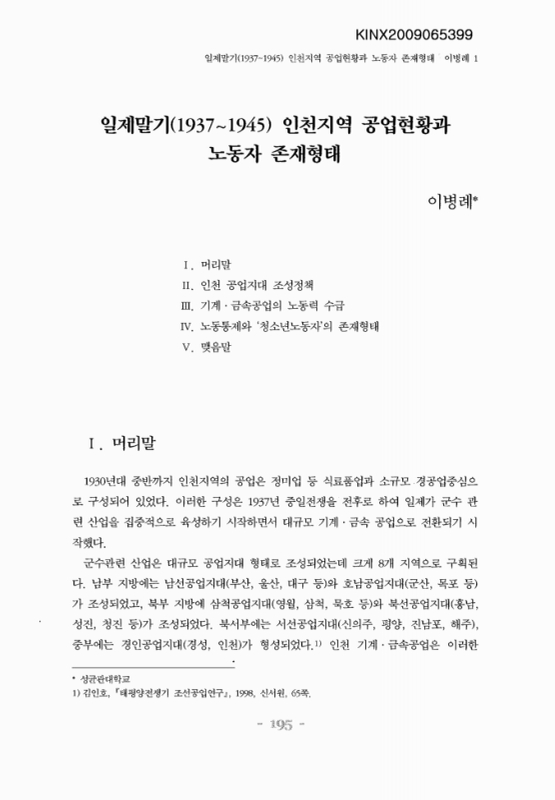
일제말기(1937~1945) 인천지역 공업현황과 노동자 존재형태 / 이병례 1
I. 머리말 1
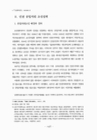
II. 인천 공업지대 조성정책 4
1. 공업지대조성 배경과 경과 4
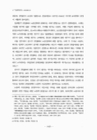
2. 공업지대 조성 노동력 9
III. 기계·금속공업의 노동력 수급 12
1. 기능자양성정책 12
2. 양성공 모집방식 16
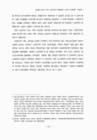
IV. 노동통제와 '청소년노동자'의 존재형태 20
1. 노무관리 20
2. '청소년노동자'의 존재형태 23
V. 맺음말 31
〈참고문헌〉 34
〈일제강점하강제동원피해진상규명위원회 구술자료〉 35
〈ABSTRACT〉 36
This study is aimed to explore the imperialist Japan' industrial policy and the change of laborers' organization and their state at that time. For this purpose I have examined the example of Inchon region during the Sino-Japanese in War.
After the Sino-Japanese War in 1937, more than twenty machine enterprises were founded in Inchon region on a large-scale. The most of these machine industries were constructed for the purpose of producing munitions.
It started to be developed industrial area in Incheon from 1939. A large number of young laborers under the age of 15~20 were mobilized in the operation of factory. The reason that they employed the laborers in this age was an easier recruitment and education, low-priced expenses.
The types of these new labors were classified according to apprentices who entered a company by general collection, training labors, and persons from the vocational school. It was easy to recruit and manage the training laborers and persons from vocational school, beacause they entered through the official channels of school. Training labors and persons from the vocational school could win speedy promotion more than apprentices. But these three kinds of laborers were prohibited from free movement. Under the poor labor conditions they had to do intensive training according to needs of productive capacity expansion during the wartime.
Machine and metalworking enterprises in Inchon region were munitions, so they received an army's strong regulation and supervision. Laborers were mobilized separtely and received a military style way review and a spiritual education regularly. Also the military was dispatched to every factory and encouraged the production coercively
Inchon was not a special region but the characteristic region of wartime. Laborers from fifteen years to twenty years were formed newly as the first generation labors. They were robbed of an opportunity for learning a high level of technical skill, were only forced to producing munition and had to master military rules.| 기사명 | 저자명 | 페이지 | 원문 | 목차 |
|---|---|---|---|---|
| 개항 이후 목포의 공간 변화와 문화과정 | 조경만 | pp.7-42 |
|
보기 |
| 1874~1945년, 하이 퐁(Hai Phòng, 海防)의 '개항(開港)'과 한국 사회 | 윤대영 | pp.43-75 |
|
보기 |
| 19세기 후반(1860~1895) 대만 개항체제의 성립과 대만사회의 변화 | 문명기 | pp.77-111 |
|
보기 |
| 개항기 세관제도에 관한 연구 :중국 하문(厦門)의 경우를 중심으로 | 김 찬 ;김범준 | pp.113-137 |
|
보기 |
| 20세기 전반기 인천 지역경제와 식민지 근대성 :인천상업회의소(1916~1929)와 재조일본인(在朝日本人) | 문영주 | pp.141-166 |
|
보기 |
| 일제시기 조선기계제작소(朝鮮機械製作所)의 설립과 경영, 1937~1945 | 배석만 | pp.167-194 |
|
보기 |
| 일제말기(1937~1945) 인천지역 공업현황과 노동자 존재형태 | 이병례 | pp.195-231 |
|
보기 |
| 고유섭의 미술철학에 대한 생명론적 접근 | 이승종 | pp.235-259 |
|
보기 |
| 백초 유완무의 생애와 민족운동 | 이희환 | pp.261-306 |
|
보기 |
| 심태(沈태)의 삶과 문학 | 심경호 | pp.309-329 |
|
보기 |
*표시는 필수 입력사항입니다.
| 전화번호 |
|---|
| 기사명 | 저자명 | 페이지 | 원문 | 기사목차 |
|---|
| 번호 | 발행일자 | 권호명 | 제본정보 | 자료실 | 원문 | 신청 페이지 |
|---|
도서위치안내: 정기간행물실(524호) / 서가번호: 대학02
2021년 이전 정기간행물은 온라인 신청(원문 구축 자료는 원문 이용)

우편복사 목록담기를 완료하였습니다.
*표시는 필수 입력사항입니다.
저장 되었습니다.
