대표어
대표어
 한국학술지인용색인(NRF)
 학술연구정보서비스(KERIS)
권호기사보기
| 기사명 | 저자명 | 페이지 | 원문 | 기사목차 |
|---|
결과 내 검색
동의어 포함
Background: ITS barcoding is the "gold standard" method for fungal identification. However, it is associated with high costs, requires specialized expertise, and entails lengthy turnaround times. MALDI-TOF MS represents a more rapid and lower-cost alternative, but it is generally less sensitive and less specific than ITS barcoding.
Objective: This study aimed to investigate and assess MALDI-TOF MS and ITS barcoding for identifying yeast strains isolated from patients and domestic environments.
Methods: A total of 115 yeast strains, including 89 pathogenic and 26 environmental, were identified using MALDI-TOF MS and ITS barcoding with phylogenetic analyses. The identification results from the two methods were compared and assessed.
Results: ITS barcoding identified 115 strains, including ascomycetous yeasts (5 Candida species and 9 non-Candida species) and basidiomycetous yeasts (5 species and 1 species complex). In contrast, MALDI-TOF MS identified 74.78% (86/115) of the isolates, with an accuracy of 96.51% (83/86). The MS showed substantial agreement with ITS barcoding (κ = 0.65, p < 0.001) when all isolates were included, and this agreement strengthened (κ = 0.76, p < 0.001) when the analysis was restricted to species represented in the MS database. Furthermore, almost perfect agreement was observed (κ = 0.81, p < 0.001) for common pathogenic Candida species, achieving 100% identification rate and accuracy for C. albicans and C. tropicalis.
Conclusion: ITS barcoding remains the gold standard method for yeast identification. MALDI-TOF MS is a viable option for routine clinical use, but it requires database expansion and technical improvements for uncommon species or species complexes
Background: ITS barcoding is the "gold standard" method for fungal identification. However, it is associated with high costs, requires specialized expertise, and entails lengthy turnaround times. MALDI-TOF MS represents a more rapid and lower-cost alternative, but it is generally less sensitive and less specific than ITS barcoding.
Objective: This study aimed to investigate and assess MALDI-TOF MS and ITS barcoding for identifying yeast strains isolated from patients and domestic environments.
Methods: A total of 115 yeast strains, including 89 pathogenic and 26 environmental, were identified using MALDI-TOF MS and ITS barcoding with phylogenetic analyses. The identification results from the two methods were compared and assessed.
Results: ITS barcoding identified 115 strains, including ascomycetous yeasts (5 Candida species and 9 non-Candida species) and basidiomycetous yeasts (5 species and 1 species complex). In contrast, MALDI-TOF MS identified 74.78% (86/115) of the isolates, with an accuracy of 96.51% (83/86). The MS showed substantial agreement with ITS barcoding (κ = 0.65, p < 0.001) when all isolates were included, and this agreement strengthened (κ = 0.76, p < 0.001) when the analysis was restricted to species represented in the MS database. Furthermore, almost perfect agreement was observed (κ = 0.81, p < 0.001) for common pathogenic Candida species, achieving 100% identification rate and accuracy for C. albicans and C. tropicalis.
Conclusion: ITS barcoding remains the gold standard method for yeast identification. MALDI-TOF MS is a viable option for routine clinical use, but it requires database expansion and technical improvements for uncommon species or species complexes*표시는 필수 입력사항입니다.
| 전화번호 |
|---|
| 기사명 | 저자명 | 페이지 | 원문 | 기사목차 |
|---|
| 번호 | 발행일자 | 권호명 | 제본정보 | 자료실 | 원문 | 신청 페이지 |
|---|
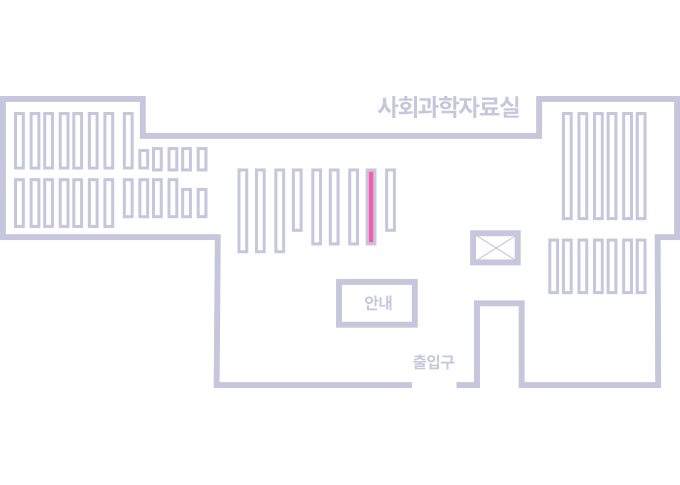
도서위치안내: 정기간행물실(524호) / 서가번호: 국내17
2021년 이전 정기간행물은 온라인 신청(원문 구축 자료는 원문 이용)
우편복사 목록담기를 완료하였습니다.
*표시는 필수 입력사항입니다.
저장 되었습니다.