
 대표어
권호기사보기
| 기사명 | 저자명 | 페이지 | 원문 | 기사목차 |
|---|
결과 내 검색
동의어 포함
영문목차
List of Figures and Tables=ix
Acknowledgments=xi
Chapter 1. Introduction=1
Chapter 2. Civilian Control of the Military in Different Threat Environments=8
Chapter 3. Losing Control? Civil-Military Relations in the United States during and after the Cold War=22
Chapter 4. Controlling Chaos: Civilian Control of the Soviet and Russian Militaries=39
Chapter 5. The Anger of the Legions: The Hindenburg-Ludendorff Dictatorship, the Algerian Crisis, and Interwar Japan=67
Chapter 6. Twilight of the Generals? Domestic Security and Civil-Military Relations in Southern Latin America=97
Chapter 7. What the Future Holds=114
Appendix: Major U.S. Civil-Military Conflicts, 1938-1997=135
Notes=141
Index=173
| 등록번호 | 청구기호 | 권별정보 | 자료실 | 이용여부 |
|---|---|---|---|---|
| 0000787845 | 322.5 D446c | 서울관 서고(열람신청 후 1층 대출대) | 이용가능 |

The end of the Cold War brought widespread optimism about the future of civil-military relations. But as Michael Desch argues in this thought-provoking challenge to Harold Lasswell's famous "garrison state" thesis, the truth is that civilian authorities have not been able to exert greater control over military policies and decision making. In wartime, civil authorities cannot help but pay close attention to military matters. In times of peace, however, civilian leaders are less interested in military affairs--and therefore often surrender them to the military.
Focusing on a wide range of times and places, Desch begins with a look at changes in U.S. civil-military relations since the end of the Cold War. He then turns to the former Soviet Union, explaining why it was easier for civilians to control the Soviet military than its present-day Russian successor. He examines the Hindenburg-Ludendorff dictatorship in World War I Germany, Japan during the interwar era, and France's role in the Algerian crisis. Finally, he explores the changing domestic security environment and civil-military relations in South America.
*표시는 필수 입력사항입니다.
| 전화번호 |
|---|
| 기사명 | 저자명 | 페이지 | 원문 | 기사목차 |
|---|
| 번호 | 발행일자 | 권호명 | 제본정보 | 자료실 | 원문 | 신청 페이지 |
|---|
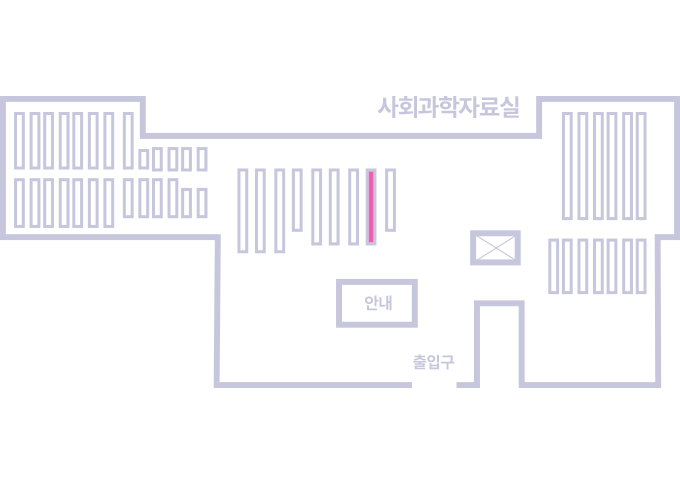
도서위치안내: / 서가번호:
우편복사 목록담기를 완료하였습니다.
*표시는 필수 입력사항입니다.
저장 되었습니다.