
 대표어
권호기사보기
| 기사명 | 저자명 | 페이지 | 원문 | 기사목차 |
|---|
결과 내 검색
동의어 포함
영문목차
List of Tables=x
List of Figures=xi
Acknowledgements=xii
1. Introduction=1
1.1. An Overview=1
1.2. Conceptual History and Definitions=3
1.3. Outline of the Book=4
Part I. Referendum Theories=9
2. Referendums and the Will of the Majority=11
2.1. Arguments for Majority Rule=11
2.2. Paradoxes of Representation=14
2.3. Intensities of Preferences in Direct and Representative Democracy=17
2.4. Separation of Issues=18
2.5. The Majority Rule and Other Preference-Aggregation Methods=20
2.6. Intransitivity of Majority Rule=21
2.7. Implications for Referendums - Agenda-Manipulation=27
2.8. Conclusions=30
3. Referendums and Theories of Democracy=33
3.1. Families of Theories of Democracy=33
3.2. Rousseau's Theory of Voting=35
3.3. Market and Forum=40
3.4. Representative and Direct Democracy=43
3.5. Democratic Elitism and Classical Theory=47
3.6. Liberal and Participatory Theories of Democracy=49
3.7. The Historical and Philosophical Background of Liberal Theory=51
3.8. Liberal Institutions=54
3.9. Participatory Democracy=58
3.10. Conclusions=62
Part II. Analysis of Institutions=67
4. Referendums and Representative Government=69
4.1. Classification of Issues=69
4.2. Classification of Institutions=70
4.3. Towards a Normative Analysis of the Referendum=78
4.3.1. Referendums and Majoritarian and Consensual Democracy=78
4.3.2. Governmental Control over Referendums=79
4.3.3. Initiative, Referendum and Median Voter Preferences=83
4.4. Ad Hoc and Optional Referendums=87
4.4.1. Reasons for Ad Hoc and Optional Referendums=87
4.4.2. Examples=89
4.5. Mandatory Referendums=93
4.6. Rejective and Abrogative Referendums=96
4.7. Popular Initiative=99
4.7.1. Institutions of Popular Initiative=99
4.7.2. American Direct Democracy: History and Existing Practices=101
4.8. Conclusions=104
5. Referendums in Three Countries=108
5.1. Introduction=108
5.2. Party Politics and the Nuclear-Power Referendum in Sweden=110
5.2.1. The Constitutional and Historical Background=110
5.2.2. The Nuclear-Power Issue in Swedish Politics=112
5.2.3. Agenda Manipulation in the Nuclear-Power Referendum=118
5.3. Denmark and Referendums on European Integration=123
5.3.1. History of Danish Referendums=123
5.3.2. Preceding Referendums on European Integration=128
5.3.3. Referendums in 1992 and 1993=131
5.4. Popular Initiative in Switzerland=135
5.4.1. The Historical Background of Swiss Direct Democracy=135
5.4.2. Current Direct-Democratic Institutions=137
5.4.3. The Role of Direct Democracy in Swiss Politics=141
5.4.4. Law-Controlling Referendums=144
5.4.5. Constitutional Initiative=146
6. Conclusions=157
6.1. Referendums and Theories of Democracy=157
6.2. Referendums and the Will of the Majority=161
6.3. Institutional Analysis and Normative Theories=163
Appendix 1. Institutions of Nation-wide Referendum in 22 Democracies=170
Appendix 2. Nation-wide Referendums in 21 Western Democracies 1944-96=181
Bibliography=189
Index=197
| 등록번호 | 청구기호 | 권별정보 | 자료실 | 이용여부 |
|---|---|---|---|---|
| 0000787755 | 321.2 S495r | 서울관 서고(열람신청 후 1층 대출대) | 이용가능 |

*표시는 필수 입력사항입니다.
| 전화번호 |
|---|
| 기사명 | 저자명 | 페이지 | 원문 | 기사목차 |
|---|
| 번호 | 발행일자 | 권호명 | 제본정보 | 자료실 | 원문 | 신청 페이지 |
|---|
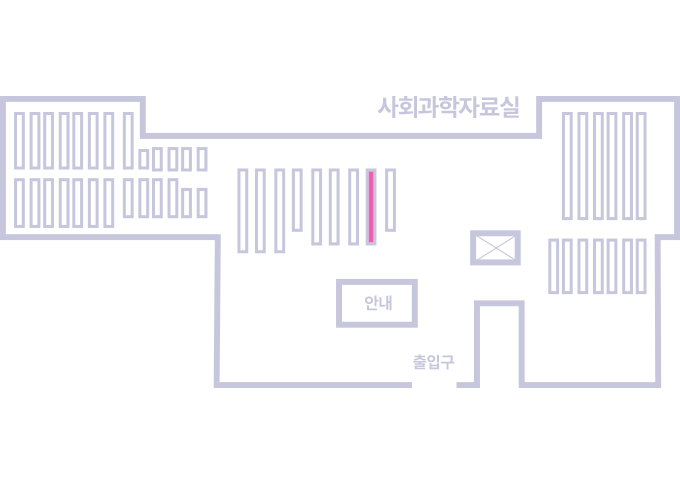
도서위치안내: / 서가번호:
우편복사 목록담기를 완료하였습니다.
*표시는 필수 입력사항입니다.
저장 되었습니다.