
 대표어
권호기사보기
| 기사명 | 저자명 | 페이지 | 원문 | 기사목차 |
|---|
결과 내 검색
동의어 포함
영문목차
List of Tables and Figures=vii
Acknowledgements=x
Foreword by Christian de Brie=xi
Preface to English Edition=xvii
Introduction=1
1. Globalisation and the Neo-Liberal Offensive=14
2. The Concentration of Capital=31
3. Globalisation and Exculusion:the Marginalisation of the Third World and the Strengthening of the Triad=36
4. Financial Globalisation=47
5. Globalisation and the Growing Debt Burden=65
6. The Debt Crisis in Historical Perspective=70
7. The Third World Debt Crisis in the 1980s and 1990s=80
8. The Transfer of Wealth from the South to the North=93
9. The World Bank and the IMF: 50 Years is Enough!=112
10. The World Bank and the Third World Debt Crisis=127
11. Structural Adjustment Programmes=134
12. The Two Phases of Structural Adjustment=140
13. Neo-Liberal Ideology and Policies in Historical Perspective=170
14. Debt in the 1990s: Latin America and Sub-Saharan Africa=189
15. Case Studies=200
Argentina=200
Mexico=205
Rwanda=212
16. The Asian Crisis and its International Repercussions=218
17. Towards an Alternative=238
18. Globalising Resistance=252
Chronology:The World Bank, the IMF and the Third World=265
Glossary=277
Bibliography=294
Index=314
| 등록번호 | 청구기호 | 권별정보 | 자료실 | 이용여부 |
|---|---|---|---|---|
| 0000787740 | 336.3435 T734y | 서울관 서고(열람신청 후 1층 대출대) | 이용가능 |

*표시는 필수 입력사항입니다.
| 전화번호 |
|---|
| 기사명 | 저자명 | 페이지 | 원문 | 기사목차 |
|---|
| 번호 | 발행일자 | 권호명 | 제본정보 | 자료실 | 원문 | 신청 페이지 |
|---|
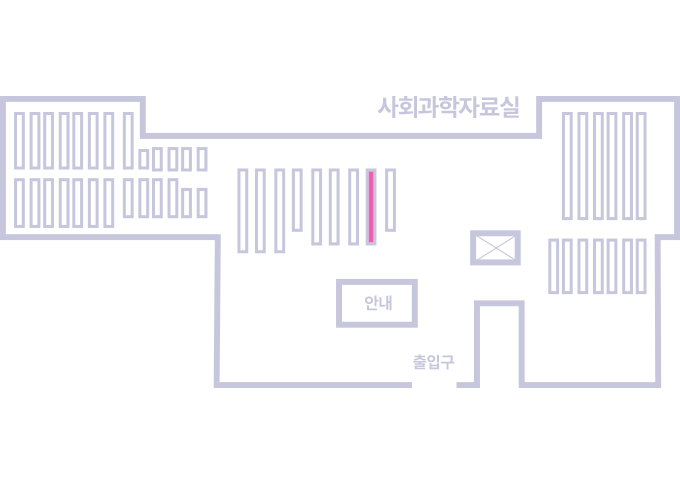
도서위치안내: / 서가번호:
우편복사 목록담기를 완료하였습니다.
*표시는 필수 입력사항입니다.
저장 되었습니다.