본문 바로가기 주메뉴 바로가기

전체메뉴

국회도서관 홈으로 정보검색 소장정보 검색

결과 내 검색

동의어 포함

목차보기

영문목차

List of illustrations=vii

List of contributors=ix

Acknowedgements=xiii

Abbreviations=xiv

PART I. Context=3

1. Introducing social town planning/CLARA H. GREED=3

2. Social town planning and the planning profession/HUW THOMAS=15

3. Town planning: 'social', not just 'physical'?/NIGEL TAYLOR=29

PART II. Groups and issues=47

4. Gender and rural policy/JO LITTLE=47

5. Planning to grow old/ROSE GILROY=60

6. Planning for disability: barrier-free living/LINDA DAVIES=74

7. Transport for people: accessibility, mobility and equity in transport planning/GEOFF VIGAR=90

8. Gender, race and culture in the urban built environment/ANN DE GRAFT-JOHNSON=102

PART III. New policy horizons=127

9. European Union: social cohesion and social town planning/RICHARD WILLIAMS=127

10. Urban planning in Europe for health and sustainability/COLIN FUDGE=144

11. Planning for health, sustainability and equity in Scotland/JANET BRAND=166

PART IV. Cultural perspectives on planning=195

12. Cultural planning and time planning/FRANCO BIANCHINI;CLARA H. GREED=195

13. Planning for tourism in towns and cities/ROB DAVIDSON;ROBERT MAITLAND=208

14. Culture, community and communication in the planning process/JEAN HILLIER=221

15. Changing cultures/CLARA H. GREED=240

Bibliography=255

Name index=278

Subject index=281

이용현황보기

Social town planning 이용현황 표 - 등록번호, 청구기호, 권별정보, 자료실, 이용여부로 구성 되어있습니다.
등록번호 청구기호 권별정보 자료실 이용여부
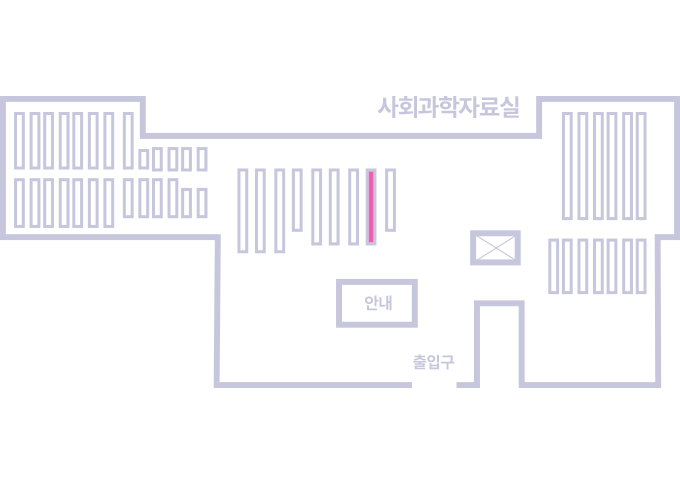
0000788904 307.76 G793s 서울관 서고(열람신청 후 1층 대출대) 이용가능

출판사 책소개

알라딘제공
Many issues such as access for the disabled, childcare facilities, environmental matters, and ethnic minority issues are excluded from town planning considerations by planning authorities. This book introduces the concept of `social town planning' to integrate planning policy and practices with the cultural and social issues of the people they are planning for. Part 1 provides background on the development of a social dimension to the predominantly physical, land use based, British town planning system. Part 2 investigates a representative selection of minority planning topics, in respect of gender, race, age and disability, cross-linked to the implications for mainstream policy areas such as housing, rural planning and transport. Part 3 discusses the likely influence of a range of global and European policy initiatives and organisations in changing the agenda of British town planning. Planning for healthy cities, sustainability, social cohesion, and equity are discussed. Part 4 looks at `the problem' from a cultural perspective, arguing that a great weakness in the British system, resulting in ugly and impractical urban design, has been the lack of concern among planners with social activities and cultural diversity. Alternative, more culturally inclusive approaches to planning are presented which might transcend the social/spatial dichotomy, such as urban time planning. Concluding that the process of planning must change, the authors ague that the culture and composition of the planning profession must particularly change to be more representative and reflective of the people they are `planning for', in terms of gender, race and minority composition.

This book introduces the concept of `social town planning' to intergrate planning policy and practices with the cultural and social issues of the people they are planning for.