
 대표어
권호기사보기
| 기사명 | 저자명 | 페이지 | 원문 | 기사목차 |
|---|
결과 내 검색
동의어 포함
영문목차
CHAPTER ONE. Introduction=1
CHAPTER TWO. Big and Turbulent=4
CHAPTER THREE. The Not-So-Invisible Hand=12
CHAPTER FOUR. SO What?=35
CHAPTER FIVE. Shopworn Solutions=52
CHAPTER SIX. Eight Suggestions=65
CHAPTER SEVEN. Summing Up=88
Notes=93
Index=121
| 등록번호 | 청구기호 | 권별정보 | 자료실 | 이용여부 |
|---|---|---|---|---|
| 0000789987 | 307.760973 N735l | 서울관 서고(열람신청 후 1층 대출대) | 이용가능 |

For decades, concerns have been raised about the consequences of relentless suburban expansion in the United States. But so far, government programs to control urban sprawl have had little effect in slowing it down, much less stopping it. In this book, Pietro S. Nivola raises important questions about the continued suburbanization of America: Is suburban growth just the result of market forces, or have government policies helped induce greater sprawl? How much of the government intervention has been undesirable, and what has been beneficial? And, if suburban growth is to be controlled, what changes in public policies would be not only effective, but practical?
Nivola addresses these questions by comparing sprawling U.S. metropolitan areas to compact development patterns in Europe. He contrasts the effects of traditional urban programs, as well as ""accidental urban policies"" that have a profound if commonly unrecognized impact on cities, including national tax systems, energy conservation efforts, agricultural supports, and protection from international commerce.
Nivola also takes a hard look at the traditional solutions of U.S. urban policy agenda involving core-area reconstruction projects, mass transit investments, ""smart"" growth controls, and metropolitan organizational rearrangements, and details the reasons why they often don't work. He concludes by recommending reforms for key U.S. policies--from taxes to transportation to federal regulations--based on the successes and failures of the European experience.
Brookings Metropolitan Series
"*표시는 필수 입력사항입니다.
| 전화번호 |
|---|
| 기사명 | 저자명 | 페이지 | 원문 | 기사목차 |
|---|
| 번호 | 발행일자 | 권호명 | 제본정보 | 자료실 | 원문 | 신청 페이지 |
|---|
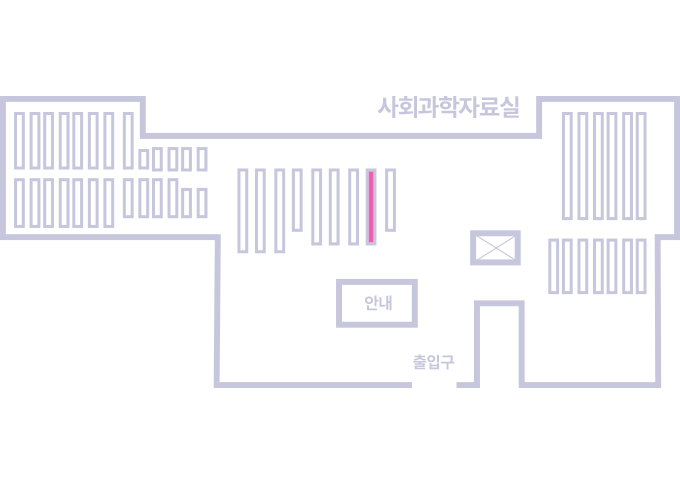
도서위치안내: / 서가번호:
우편복사 목록담기를 완료하였습니다.
*표시는 필수 입력사항입니다.
저장 되었습니다.