
 대표어
권호기사보기
| 기사명 | 저자명 | 페이지 | 원문 | 기사목차 |
|---|
결과 내 검색
동의어 포함
영문목차
List of Tables and Figures=ix
Acknowledgements=x
Preface=xi
Introduction=1
1. In History=7
The Sanctions Spectrum=8
The Historical Frame=11
The Megarian Decree=13
The Siege=16
Early Nineteenth Century=20
The American Civil War=23
Paris and the Commune=27
The First World War=30
Attitudes=37
2. From League to United Nations=42
The League of Nations=43
Origins=43
The Sanctions Option=49
The Sanctions Failure=52
The United Nations=62
Origins=62
The Sanctions Option=65
The Berlin Blockade(1948-9)=71
The Korea Question(1945-53)=72
South Africa and Apartheid(1948-94)=75
Portugal and Colonialism(1960-74)=81
Rhodesia and UDI(1962-79)=84
Libya and Lockerbie(1991-)=88
Yugoslavia-Balkanisation(1991-)=98
Haiti and 'Democracy'(1990-4)=105
Other Cases=109
3. The US Role=115
The Superpower Perquisite=115
The Sanctions Options=117
The Sanctions Ubiquity=120
Cuba=124
The Birth of Sanctions=124
The Cuban Democracy Act(1992)=128
The Cuban Liberty and Democratic Solidarity (Libertad) Act(1996)=131
Genocide I=138
North Korea=140
Vietnam=144
Libya, Iran and the D'Amato Act=145
India and Pakistan=154
Other Cases=157
4. Law and Natural Justice=162
The Key Question=162
Are Food Embargoes Legitimate?=163
The Relevance of Coercion=166
The United States and Food Denial=167
5. The Case of Iraq=169
Background=169
The Sanctions Regime=170
The Sanctions Impact=173
A New Holocaust=178
Notes=181
Select Bibliography=197
Index=199
| 등록번호 | 청구기호 | 권별정보 | 자료실 | 이용여부 |
|---|---|---|---|---|
| 0000791402 | 327.17 S611i | 서울관 서고(열람신청 후 1층 대출대) | 이용가능 |

*표시는 필수 입력사항입니다.
| 전화번호 |
|---|
| 기사명 | 저자명 | 페이지 | 원문 | 기사목차 |
|---|
| 번호 | 발행일자 | 권호명 | 제본정보 | 자료실 | 원문 | 신청 페이지 |
|---|
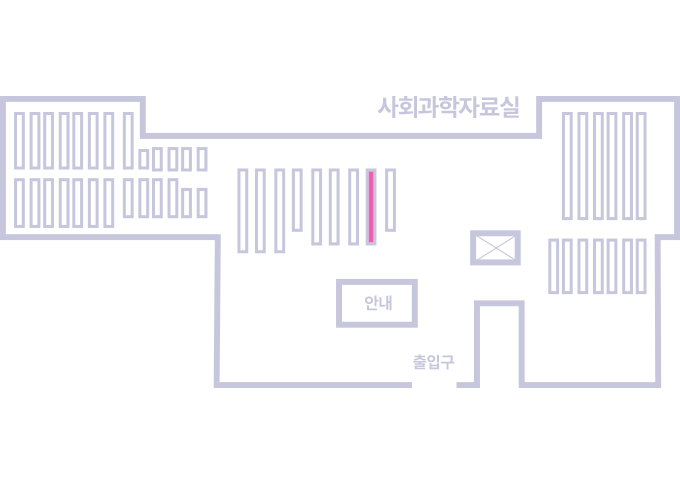
도서위치안내: / 서가번호:
우편복사 목록담기를 완료하였습니다.
*표시는 필수 입력사항입니다.
저장 되었습니다.