
 대표어
권호기사보기
| 기사명 | 저자명 | 페이지 | 원문 | 기사목차 |
|---|
결과 내 검색
동의어 포함
영문목차
List of Maps and Tables=?
Note on Currencies, Weights, and Measures=xiii
Preface=xv
Preface to the Second Edition=xix
1. Africa and Slavery=1
Slavery:A Definition=1
Slavery in Social Formations=9
The African Setting=12
The Islamic Factor=15
The Trans-Atlantic Trade=18
2. On the Frontiers of Islam, 1400-1600=24
The Medieval Slave Trade:The African Frontier=24
The Institution of Slavery in Muslim Africa=29
Origins of the Atlantic Trade:The Muslim Connection=36
Slavery Along the Guinea Coast=41
3. The Export Trade in Slaves, 1600-1800=46
Volume of the Export Trade, 1600-1800=46
The Dominance of West-Central Africa=53
The Bight of Benin, 1640-1800=55
The Gold Coast=57
The Bight of Biafra=59
The Upper Guinea Coast and Senegambia=60
The Volume of the Trade Across the Sahara, Red Sea, and Indian Ocean=61
Demographic Implications of the Export Trade=62
4. The Enslavement of Africans, 1600-1800=68
A Politically Fragmented Continent=68
The Muslim Tradition of War and State=70
War-Lords of West-Central Africa=76
Politics of Slave Trading on the West African Coast=80
The Dynamics of Slave Supply=86
5. The Organization of Slave Marketing, 1600-1800=91
Muslim Networks=91
Administered Trade in West-Central Africa=95
Coastal West Africa:State Trade, River-Boats, and Oracles=98
Patterns in Restrictive Practices=104
Slaves and Other Commodities=105
The Import Trade=106
6. Relationships of Dependency, 1600-1800=112
The Expansion of Slavery=112
The Northern Savanna=115
The West African Coast and Its Interior=120
Slavery in West-Central Africa=127
European Slavery in Africa=133
7. The Nineteenth-Century Slave Trade=140
The Dynamics of Slavery in the Nineteenth Century=140
The Trans-Atlantic Trade:The Last Surge=145
The Volume of the Non-Slave Trade=151
The Trans-Saharan and Red Sea Trade=152
The East African Trade=155
The Internal Trade=158
8. Slavery and 'Legitimate Trade' on the West African Coast=165
Slavery and 'Legitimate Trade'=165
The Western Coast and Asante=167
Dahomey and the Yoruba States=176
The Bight of Biafra=182
9. Slavery in the Savanna During the Era of the Jihads=191
The Size of the Slave Population in the Savanna=191
The Western Sudan=194
The Central Sudan=201
The Region East of Lake Chad=208
The Organization of the Plantation Sector=212
Slavery in the Sahel=216
Assimilation of Slaves=220
Slavery on the Periphery=224
10. Slavery in Central, Southern, and Eastern Africa in the Nineteenth Century=226
The Expansion of the External Enclaves=226
The Omani-Swahili Sector=229
The South-Eastern Coast and the Lake Malawi Corridor=233
The Portuguese Enclaves in West-Central Africa=237
Apprenticeship in South Africa=238
Expansion of an Indigenous Slave Mode of Production=240
The Limited Transformation of Lineage Slavery=245
11. The Abolitionist Impulse=252
The Reluctant Move Towards Abolition=252
The Colonial Occupation of the Western Coast=254
Christian Missions in Central and East Africa=262
The Imperialist Justification of Islamic Slavery=267
12. Slavery in the Political Economy of Africa=276
Slavery as a Mode of Production=276
The Transformation of Slavery=281
Articulation with Capitalism=283
The Legacy of Slavery=287
Appendix:Chronology of Measures Against Slavery=290
Notes=295
Bibliography=318
Index=355
Maps
1. The Islamic slave trade in the sixteenth century=27
2. The Kingdom of Kongo and the Gulf of Guinea in the sixteenth century=39
3. The commercial centres of Central Africa in the eighteenth and nineteenth centuries=97
4. The West African slave trade in the eighteenth century=99
5. Major concentrations of slaves in nineteenth-century West Africa=178
6. The Eastern Sudan in the nineteenth century=209
Tables
1.1. Slave Exports from Africa:The Atlantic Trade=19
2.1. Trans-Saharan Slave Trade, 650-1600=26
2.2. Red Sea and East African Slave Trade, 800-1600=26
2.3. Estimates of the Atlantic Slave Trade, 1450-1600=37
3.1. Estimated Slave Exports from Africa 1500-1800=47
3.2. Trans-Atlantic Slave Trade, 1601-1700=48
3.3. Atlantic Slave Trade, by National Carrier, 1700-1800=48
3.4. Regional Origins of Slaves in the Eighteenth-Century Atlantic Trade=51
3.5. West African Slave Prices:Semi-decadal Averages, 1663-1775=52
3.6. Bight of Benin Slave Trade, 1601-1700=56
3.7. Slave Exports Across the Sahara, Red Sea, and Indian Ocean, 1600-1800=62
3.8. Weighted Mean Ratios of Males and Children Carried in the Trans-Atlantic Slave Trade 1663-1809=65
3.9. Estimated Population of Trade Slaves, 1600-1800=66
4.1. West African Slave Exports Across the Atlantic, c. 1650-1800=81
7.1. Slave Exports from Africa in the Nineteenth Century=142
7.2. Weighted Mean Ratios of Males and Children, Trans-Atlantic Slave Trade, 1810-67=143
7.3. Slave Prices on the Atlantic Coast of Africa, 1783-1850(£ sterling)=144
7.4. Trans-Atlantic Slave Trade, 1801-67=146
7.5. The Volume of the Non-Slave Trade:Contract and Other Forms of Servile Labour=152
7.6. East African Slave Export to Arabia, Persia, and India, 1801-96=156
7.7. The Slave Trade of East Africa in the Nineteenth Century=156
7.8. Origins of Imported Male Slaves in Asante, 1837-42=162
9.1. Demographic Profile of Slave Populations in the Western Sudan, 1904=192
9.2. Foundation Dates of Nupe Tungazi=207
9.3. Ethnic Origins of Settlers on Tungazi=207
11.1. Population Increases, Selected 'Cercles', Western Sudan=274
| 등록번호 | 청구기호 | 권별정보 | 자료실 | 이용여부 |
|---|---|---|---|---|
| 0000982907 | 306.3096 L897t2 | 서울관 서고(열람신청 후 1층 대출대) | 이용가능 |

*표시는 필수 입력사항입니다.
| 전화번호 |
|---|
| 기사명 | 저자명 | 페이지 | 원문 | 기사목차 |
|---|
| 번호 | 발행일자 | 권호명 | 제본정보 | 자료실 | 원문 | 신청 페이지 |
|---|
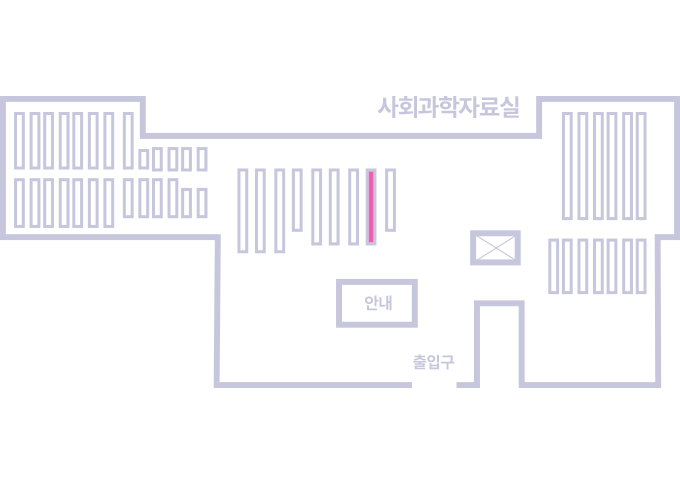
도서위치안내: / 서가번호:
우편복사 목록담기를 완료하였습니다.
*표시는 필수 입력사항입니다.
저장 되었습니다.