
 대표어
권호기사보기
| 기사명 | 저자명 | 페이지 | 원문 | 기사목차 |
|---|
결과 내 검색
동의어 포함
영문목차
Acknowledgements=xi
Note on Contributors=xiii
Introduction/Louise Fawcett=1
The Book and the Title=1
Organisation of the Volume=5
A Concluding Note=12
PART Ⅰ. HISTORICAL OVERVIEW
1. The Emergence of the Middle East into the Modern State System/Eugene L. Rogan=17
Overview=17
Introduction:The Arab Entry to International Relations=18
Ottoman Diplomacy=19
An Ottoman Legacy of Statehood=20
Wartime Plans for the Partition of the Middle East=22
The Post-war Settlement(1919-22)=23
The Colonial Framework=29
The Arab States and the Palestine Crisis=36
Conclusion=37
Further Reading=38
2. The Cold War in the Middle East/Peter Sluglett=41
Overview=41
Introduction=41
The Immediate Origins of the Cold War=43
Oil in the Middle East=46
A Clash of Ideologies=47
Elements of a Case Study:Iraq, the Soviet Union and the United States, 1945-90=50
The Effects of the Cold War=54
Further Reading=56
3. The Middle East since the Cold War:Torn between Geopolitics and Geoeconomics/Bahgat Korany=59
Overview=59
Introduction:Sorting Out Post-Cold War Conceptual Lenses=60
Oil:A Mixed Blessing?=62
The Primacy of Conflicts:Conventional Geopolitical Ones=64
From Casablanca to Doha 1994-97:Why Peace Dividends did not Materialise=65
Border Disputes can also Trigger International Wars=68
Globalisation, Yawning Resource Gaps and Newer Threats/Conflicts=70
Religio-Politics:From Mobilisation to International Spill-over=72
Conclusion:Which Direction MENA?=74
Further Reading=75
PART Ⅱ. THEMES IN INTERNATIONAL RELATIONS AND INTERNATIONAL POLITICAL ECONOMY=4
4. Oil and Political Economy in the International Relations of the Middle East/Giacomo Luciani=79
Overview=79
Introduction=80
Oil and the Consolidation of the Middle East State System=82
Oil and the International Relations of the Middle East=87
Oil and Domestic Politics:The Rentier State Paradigm=90
Oil and Inter-Arab Relations=96
Conclusion=101
Further Reading=102
5. The Clash of Globalisations in the Middle East/Clement M. Henry=105
Overview=105
Introduction=106
The Middle East as 'Shatterbelt'=108
Middle Eastern Perceptions of Globalisation=110
Trade Policies=112
The Problem of Attracting Private Capital=113
Hypotheses about Investors' Information Needs=117
Increasing Transparency and Accountability=122
The Issue of Regime Change=124
Conclusion=126
Further Reading=127
6. The Puzzle of Political Reform in the Middle East/Augustus Richard Norton=131
Overview=131
Introduction=132
Explaining the Democracy Deficit=134
Muslims and the Question of Political Reform=142
Conclusion=146
Further Reading=148
7. The Politics of Identity in Middle East International Relations/Raymond Hinnebusch=151
Overview=151
Introduction=151
Identity and the Middle East State=153
The Impact of Identity on the International Relations of the Middle East=159
Conclusion=169
Further Reading=171
8. Alliances, Cooperation and Regionalism in the Middle East/Louise Fawcett=173
Overview=173
Introduction=173
Regions, Regionalism and Understanding the Dynamics of Cooperation=178
Cooperation and Regionalism:A Review=180
Conclusion=191
Further Reading=192
9. War and Security in the Middle East/Janice Gross Stein=195
Overview=195
Introduction=195
War and the Failure of Deterrence:The Inadequacy of Balance of Power Explanations=198
The Israel-Palestine Conflict=208
Conclusion=213
Further Reading=214
PART Ⅲ. KEY ISSUES AND ACTORS
10. The Arab-Israeli Conflict/Charles Smith=217
Overview=217
Introduction=217
1948-67:From the Creation of Israel to the 1967 War=221
The 1967 War, Arab Nationalist Rivalries and the Re-emergence of the Palestinian Factor=223
1967-79:From the 1967 War to the Egyptian-Israeli Peace Treaty=226
From Camp David to the White House Lawn, 1978-93=230
Conclusion=234
Further Reading=235
11. The Rise and Fall of the Oslo Peace Process/Avi Shlaim=241
Overview=241
Introduction=242
The Peace Process=242
The Road to Oslo=243
The Oslo Accord=246
Reactions to Oslo=248
Implementing the Declaration of Principles=250
Oslo Ⅱ=252
Declaration of War on the Peace Process=254
Camp David=255
The Al-Agsa Intifada=257
Conclusion=258
Further Reading=259
12. The International Politics of the Gulf/F. Gregory Gause, Ⅲ=263
Overview=263
Introduction=263
Regime Security, Political Identity and Iraqi War Decisions=265
Regime Security, Regional Balancing and Saudi Arabian Alliance Decisions=271
American Policy in the Gulf=274
Conclusion=279
Further Reading=280
13. The United States in the Middle East/Michael C. Hudson=283
Overview=283
Introduction=284
The Roots of American Involvement=284
New Regional Tensions and Challenges=290
Policymaking:Structures and Process=295
The 'Neoconservative Revolution'=298
Conclusion=304
Further Reading=305
14. Europe in the Middle East/Rosemary Hollis=307
Overview=307
Introduction=308
Phase Ⅰ:The Imperial Carve Up and Birth of the State System=310
Phase Ⅱ:Imperial Retreat and Cold War Rivalries=314
Phase Ⅲ:The EU, Globalisation and the New Security Agenda=316
Regionalism and the Euro-Mediterranean Partnership Programme=319
Conflict Mediation:Europe and the Middle East Peace Process=321
The Transatlantic Relationship and Iraq=324
Conclusion=325
Further Reading=326
Bibliography=329
Index=343
| 등록번호 | 청구기호 | 권별정보 | 자료실 | 이용여부 |
|---|---|---|---|---|
| 0001072500 | 327.56 F278i | 서울관 서고(열람신청 후 1층 대출대) | 이용가능 |

*표시는 필수 입력사항입니다.
| 전화번호 |
|---|
| 기사명 | 저자명 | 페이지 | 원문 | 기사목차 |
|---|
| 번호 | 발행일자 | 권호명 | 제본정보 | 자료실 | 원문 | 신청 페이지 |
|---|
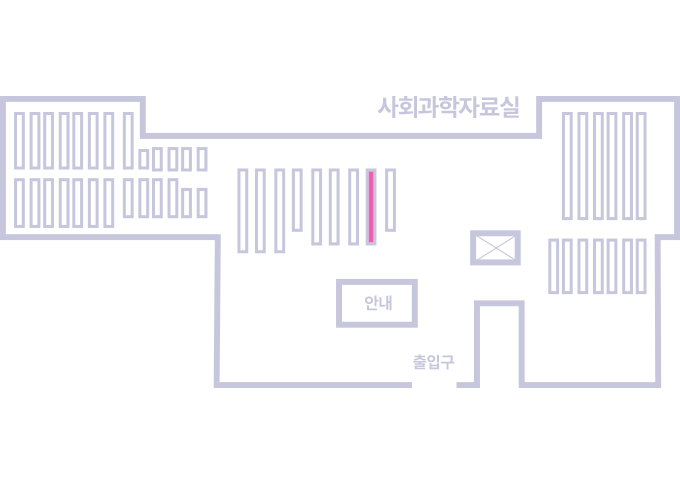
도서위치안내: / 서가번호:
우편복사 목록담기를 완료하였습니다.
*표시는 필수 입력사항입니다.
저장 되었습니다.