
 대표어
권호기사보기
| 기사명 | 저자명 | 페이지 | 원문 | 기사목차 |
|---|
결과 내 검색
동의어 포함
| 등록번호 | 청구기호 | 권별정보 | 자료실 | 이용여부 |
|---|---|---|---|---|
| 0001074453 | 323.0971 H849c | 서울관 서고(열람신청 후 1층 대출대) | 이용가능 |

Do Canadians, as a group, possess a strong ethical code when thinking about human rights issues? They do, according to Rhoda E. Howard-Hassmann who has analyzed the responses of 78 civic leaders from Hamilton, Ontario whom she interviewed over several months in 1996 and 1997. Their responses to questions about hate speech, hate crimes, gay and lesbian rights, multiculturalism, employment equity, aboriginal rights, the rights of the poor, and an individual's obligation to 'strangers' -- defined as immigrants, refugees, and people living outside Canada's borders -- revealed deep and complex reasoning about ethical concerns, and exhibited a strong unified sense of what it means to be Canadian.
The civic leaders interviewed represented many diverse groups: members of gay and lesbian groups, feminist organizations, aboriginal groups, and leaders of service organizations, private clubs, and patriotic organizations. Slightly more than half were women, and slightly fewer than half were immigrants to Canada.
In their responses, these individuals stressed the importance of both belonging to and having obligations to the Canadian community. They highlighted the values of equality, non-discrimination, and multiculturalism, as well as the need to respect everyone living in Canada. For them, there were no absolute individual rights: all rights must be balanced with concern for vulnerable groups in Canada.
Understanding the moral reasoning of these civic leaders helps to illuminate the moral consensus among ordinary Canadian citizens around the formal human rights laws that govern Canada. It also illustrates the sort of human rights policies that Canadians are likely to support.
*표시는 필수 입력사항입니다.
| 전화번호 |
|---|
| 기사명 | 저자명 | 페이지 | 원문 | 기사목차 |
|---|
| 번호 | 발행일자 | 권호명 | 제본정보 | 자료실 | 원문 | 신청 페이지 |
|---|
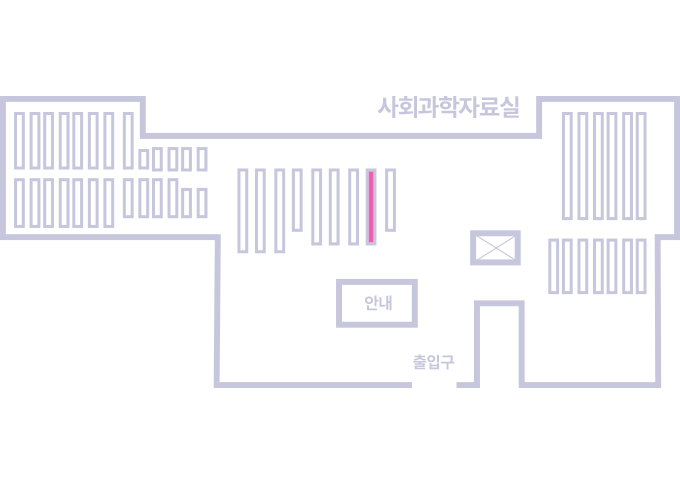
도서위치안내: / 서가번호:
우편복사 목록담기를 완료하였습니다.
*표시는 필수 입력사항입니다.
저장 되었습니다.