
 대표어
권호기사보기
| 기사명 | 저자명 | 페이지 | 원문 | 기사목차 |
|---|
결과 내 검색
동의어 포함
영문목차
Preface=x
About the Authors=xvii
A Letter from the Author=xix
PART I. The American System=1
Chapter 1. The Study of American Government=2
What Is Political Power?=5
What Is Democracy?=7
Is Representative Democracy Best?=8
How Is Political Power Distributed?=10
Is Democracy Driven by Self-Interest?=12
What Explains Political Change?=12
The Nature of Politics=13
Chapter 2. The Constitution=20
The Problem of Liberty=21
The Colonial Mind=22
The Real Revolution=23
Weaknesses of the Confederation=24
The Constitutional Convention=25
The Lessons of Experience=25
The Framers=26
The Challenge=27
The Virginia Plan=28
The New Jersey Plan=28
The Compromise=29
The Constitution and Democracy=29
Key Principles=30
Government and Human Nature=37
The Constitution and Liberty=32
The Antifederalist View=33
Need for a Bill of Rights=36
The Constitution and Slavery=37
The Motives of the Framers=39
Economic Interests=39
The Constitution and Equality=40
Constitutional Reform : Modern Views=41
Reducing the Separation of Powers=41
Making the System Less Democratic=44
Who Is Right?=45
Chapter 3. Federalism=50
Why Federalism Matters=51
The Founding=52
A Bold, New Plan=53
Elastic Language=54
The Debate on the Meaning of Federalism=55
The Supreme Court Speaks=55
Nullification=55
Dual Federalism=56
State Sovereignty=57
Governmental Structure=59
Increased Political Activity=62
What the States Can Do=63
Federal-State Relations=63
Grants-in-Aid=63
Meeting National Needs=65
The Intergovernmental Lobby=66
Categorical Grants=66
Rivalry Among the States=67
Federal Aid and Federal Control=68
Mandates=68
Conditions of Aid=69
A Devolution Revolution?=70
Congress and Federalism=71
Chapter 4. American Political Culture=78
Political Culture=79
The Political System=81
The Persistence of Conflict=82
The Economic System=83
How We Compare : Comparing America with Other Nations=85
The Political System=85
The Economic System=86
The Civic Role of Religion=87
The Sources of Political Culture=88
The Culture War=89
Mistrust of Government=91
Civil Society=92
Political Tolerance=93
Chapter 5. Civil Liberties=100
Culture and Civil Liberties=102
Rights in Conflict=102
Cultural Conflicts=104
Applying the Bill of Rights to the States=105
Interpreting and Applying the First Amendment=106
Speech and National Security=107
What Is Speech?=109
Libel=109
Obscenity=109
Symbolic Speech=111
Commercial and Youthful Speech=112
Church and State=113
The Free-Exercise Clause=113
The Establishment Clause=114
Crime and Due Process=117
The Exclusionary Rule=118
Search and Seizure=118
Confessions and Self-Incrimination=121
Relaxing the Exclusionary Rule=121
Terrorism and Civil Liberties=122
Searches Without Warrants=124
Chapter 6. Civil Rights=130
The Black Predicament=132
The Campaign in the Courts=133
'Separate but Equal"=134
Can Separate Schools Be Equal?=134
Brown v. Board of Education=135
The Campaign in Congress=139
Racial Profiling=144
Women and Equal Rights=145
Sexual Harassment=147
Privacy and Sex=148
Affirmative Action=149
Equality of Results=149
Equality of Opportunity=149
Gays and the Constitution=154
PART II. Opinions, Interests, and Organizations=161
Chapter 7. Public Opinion=162
Public Opinion and Democracy=163
What Is Public Opinion?=164
How Polling Works=165
How Opinions Differ=166
Political Socialization=167
Genes and the Family=167
Religion=169
The Gender Gap=170
Cleavages in Public Opinion=170
Social Class=171
Race And Ethnicity=172
Region=173
Political Ideology=173
Mass Ideologies : A Typology=174
Liberal and Conservative Elites=174
Political Elites, Public Opinion, and Public Policy=176
Chapter 8. Political Participation=182
A Close Look at Nonvoting=184
The Rise of the American Electorate=187
From State to Federal Control=187
Voter Turnout=190
Who Participates in Politics?=192
Forms of Participation=192
Participation : Causes and Meaning=193
Chapter 9. Political Parties=202
Parties―Here and Abroad=204
The Rise and Decline of the Political Party=206
The Founding=206
The Jacksonians=207
The Civil War and Sectionalism=208
The Era of Reform=208
Party Realignments=209
Party Decline=211
The National Party Structure Today=212
National Conventions=214
State and Local Parties=216
The Machine=217
Ideological Parties=218
Solidary Groups=218
Sponsored Parties=219
Personal Following=219
The Two-Party System=220
Minor Parties=222
Nominating a President=225
Are the Delegates Representative of the Voters?=225
Who Votes in Primaries?=226
Who Are the New Delegates?=226
Parties Versus Voters=229
Chapter 10. Elections and Campaigns=234
Campaigns Today=235
Better or Worse?=237
Here and Abroad=238
Presidential Versus Congressional Campaigns=238
Running for President=239
Getting Elected to Congress=241
Primary Versus General Campaigns=243
Two Kinds of Campaign Issues=244
Television, Debates, and Direct Mail=246
Money=249
The Sources of Campaign Money=249
Campaign Finance Rules=250
A Second Campaign Finance Law=252
New Sources of Money=255
Money and Winning=256
What Decides the Election?=257
Party=257
Issues, Especially the Economy=259
The Campaign=260
Finding a Winning Coalition=261
The Effects of Elections on Policy=264
Chapter 11. Interest Groups=270
The Birth of Interest Groups=273
Kinds of Organizations=274
Institutional Interests=274
Membership Interests=275
Incentives to Join=276
The Influence of the Staff=280
Interest Groups and Social Movements=280
The Environmental Movement=280
The Feminist Movement=280
The Union Movement=281
Upper-Class Bias?=282
The Activities of Interest Groups=283
Information=284
Earmarks=285
Public Support : The Rise of the New Politics=285
Money and PACs=286
The 'Revolving Door"=289
Civil Disobedience=290
Regulating Interest Groups=291
Chapter 12. The Media=298
The Media and Politics=299
Journalism in American Political History=300
The Party Press=300
The Popular Press=300
Magazines of Opinion=302
Electronic Journalism=302
The Internet=304
The Structure of the Media=305
Degree of Competition=305
The National Media=306
Rules Governing the Media=307
Confidentiality of Sources=307
Regulating Broadcasting=308
Campaigning=309
Are the National Media Biased?=310
A Liberal Majority=310
Neutral and Objective?=311
Media's Influence=313
Government and the News=314
Prominence of the President=314
Coverage of Congress=314
Why Do We Have So Many News Leaks?=316
Sensationalism in the Media=317
Government Constraints on Journalists=318
PART III. Institutions of Government=325
Chapter 13. Congress=326
Congress Versus Parliament=329
The Evolution of Congress=332
Who Is in Congress?=335
Gender and Race=335
Incumbency=337
Party=339
Representation and Polarization=340
Representational View=341
Organizational View=341
Attitudinal View=342
The Organization of Congress : Parties and Interests=343
Party Organizations=343
Party Voting=345
Caucuses=346
The Organization of Congress : Committees=346
The Organization of Congress : Staffs and Specialized Offices=348
Tasks of Staff Members=349
Staff Agencies=350
How a Bill Becomes Law=350
Introducing a Bill=350
Study by Committees=351
Floor Debate=352
Methods of Voting=354
Legislative Productivity=355
Reforming Congress=356
Chapter 14. The Presidency=364
Presidents and Prime Ministers=366
Divided Government=367
Does Gridlock Matter?=368
Is Policy Gridlock Bad?=369
The Powers of the President=370
The Evolution of the Presidency=372
Concerns of the Founders=372
The Electoral College=373
The President's Term of Office=373
The First Presidents=373
The Jacksonians=374
The Reemergence of Congress=375
The Power to Persuade=378
The Three Audiences=378
Popularity and Influence=380
The Decline in Popularity=382
The Power to Say No=383
Veto=383
Executive Privilege=384
Impoundment of Funds=385
Signing Statements=386
Presidential Character=386
The Office of the President=388
The White House Office=388
The Executive Office of the President=390
The Cabinet=390
Independent Agencies, Commissions, and Judgeships=391
Who Gets Appointed=392
The President's Program=394
Putting Together a Program=394
Attempts to Reorganize=397
Presidential Transition=398
The Vice President=398
Problems of Succession=399
Impeachment=400
How Powerful Is the President?=401
Chapter 15. The Bureaucracy=408
Distinctiveness of the American Bureaucracy=410
Proxy Government=411
The Growth of the Bureaucracy=412
The Appointment of Officials=412
A Service Role=413
A Change in Role=413
The Federal Bureaucracy Today=414
Recruitment and Retention=417
Personal Attributes=420
Do Bureaucrats Sabotage Their Political Bosses?=421
Culture and Careers=422
Constraints=422
Why So Many Constraints?=424
Agency Allies=425
Congressional Oversight=425
The Appropriations Committee and Legislative Committees=426
The Legislative Veto=427
Congressional Investigations=427
Bureaucratic "Pathologies"=428
Reforming the Bureaucracy=430
Chapter 16. The Judiciary=438
Judicial Review=440
The Development of the Federal Courts=441
National Supremacy and Slavery=441
Government and the Economy=442
Government and Political Liberty=444
The Revival of State Sovereignty=445
The Structure of the Federal Courts=446
Selecting Judges=447
The Jurisdiction of the Federal Courts=450
Getting to Court=452
Fee Shifting=453
Standing=453
Class-Action Suits=454
The Supreme Court in Action=455
The Power of the Federal Courts=457
The Power to Make Policy=457
Views of Judicial Activism=459
Legislation and the Courts=459
Checks on Judicial Power=460
Congress and the Courts=460
Public Opinion and the Courts=462
PART IV. The Politics of Public Policy=469
Chapter 17. The Policymaking Process=470
Setting the Agenda=471
The Legitimate Scope of Government Action=472
Action by the States=474
Making a Decision=475
Majoritarian Politics : Distributed Benefits, Distributed Costs=476
Interest Group Politics : Concentrated Benefits, Concentrated Costs=477
Client Politics : Concentrated Benefits, Distributed Costs=478
Entrepreneurial Politics : Distributed Benefits, Concentrated Costs=479
The Case of Business Regulation=480
Majoritarian Politics=480
Interest Group Politics=482
Client Politics=482
Entrepreneurial Politics=484
Perceptions, Beliefs, Interests, and Values=486
Deregulation=487
The Limits of Ideas=488
Chapter 18. Economic Policy=492
The Politics of Economic Prosperity=495
What Politicians Try to Do=495
The Politics of Taxing and Spending=496
Economic Theories and Political Needs=498
Monetarism=498
Keynesianism=498
Planning=499
Supply-Side Tax Cuts=500
Did the Federal Government End the Recession?=500
The Machinery of Economic Policymaking=500
The Fed=501
Congress=502
Globalization=503
Spending Money=504
The Budget=504
Reducing Spending=505
Levying Taxes=506
The Rise of the Income Tax=507
Chapter 19. Social Welfare=514
Two Kinds of Social Welfare Programs=516
Social Welfare in the United States=518
Majoritarian Welfare Programs : Social Security and Medicare=521
Client Welfare Programs : Aid to Families with Dependent Children=526
Majoritarian Versus Client Politics=527
Chapter 20. Foreign and Military Policy=534
Kinds of Foreign Policy=536
The Constitutional and Legal Context=537
Presidential Box Score=537
Evaluating the Power of the President=539
Checks on Presidential Power=539
The Machinery of Foreign Policy=542
Foreign Policy and Public Opinion=543
Backing the President=544
Mass Versus Elite Opinion=545
Cleavages Among Foreign Policy Elites=546
How a Worldview Shapes Foreign Policy=546
Political Polarization=549
The Use of Military Force=550
War in Iraq=551
The Defense Budget=552
Total Spending=552
What Do We Get with Our Money?=554
The Structure of Defense Decision Making=557
Joint Chiefs of Staff=557
The Services=558
The Chain of Command=558
The New Problem of Terrorism=558
Iraq and Afghanistan=560
Chapter 21. Environmental Policy=564
Entrepreneurial Politics : Global Warming=566
Majoritarian Politics : Pollution from Automobiles=569
Interest Group Politics : Acid Rain=571
Client Politics : Agricultural Pesticides=572
The Environmental Uncertainties=574
The Results=577
PART V. The Nature of American Democracy=581
Chapter 22. Who Governs? To What Ends?=582
Restraints on the Growth of Government=582
Relaxing the Restraints=583
The Old System=584
The New System=585
Consequences of Activist Government=587
The Influence of Structure=590
The Influence of Ideas=591
Appendixes
The Declaration of Independence=A1
The Constitution of the United States=A4
The Federalist No. 10=A21
The Federalist No. 51=A26
Presidents and Congresses, 1789-2009=A30
Glossary=G1
Notes=N1
Index=I1
| 등록번호 | 청구기호 | 권별정보 | 자료실 | 이용여부 |
|---|---|---|---|---|
| 0001810598 | 320.473 -A13-6 | 서울관 서고(열람신청 후 1층 대출대) | 이용가능 |

*표시는 필수 입력사항입니다.
| 전화번호 |
|---|
| 기사명 | 저자명 | 페이지 | 원문 | 기사목차 |
|---|
| 번호 | 발행일자 | 권호명 | 제본정보 | 자료실 | 원문 | 신청 페이지 |
|---|
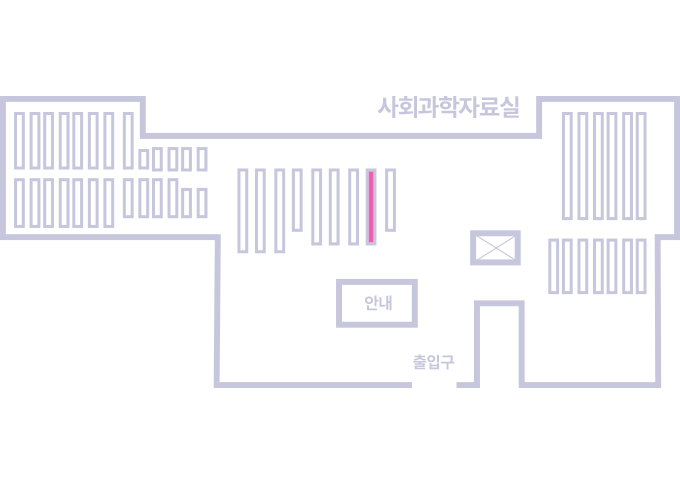
도서위치안내: / 서가번호:
우편복사 목록담기를 완료하였습니다.
*표시는 필수 입력사항입니다.
저장 되었습니다.