
 대표어
대표어
권호기사보기
| 기사명 | 저자명 | 페이지 | 원문 | 기사목차 |
|---|
결과 내 검색
동의어 포함
| 등록번호 | 청구기호 | 권별정보 | 자료실 | 이용여부 |
|---|---|---|---|---|
| 0002489037 | 363.705612 -A19-1 | 서울관 서고(열람신청 후 1층 대출대) | 이용가능 | |
| B000018662 | 363.705612 -A19-1 | 부산관 서고(열람신청 후 2층 주제자료실) | 이용가능 |

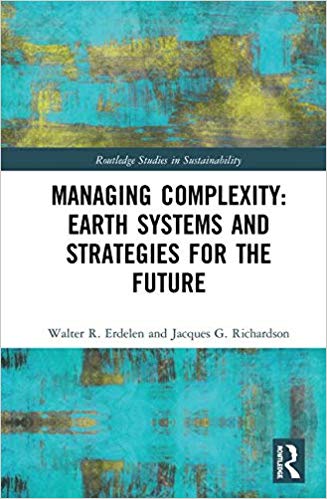
Managing Complexity: Earth Systems and Strategies for the Future introduces and explores systems and complexity in relation to near-synchronous world and environmental problems. These relate to but are not limited to water, biological diversity, worldwide climate change, trade and conflict, global migration and the quest for sustainable development. Complemented by discussion of the new era of the Anthropocene, its many manifestations, and Earth system properties such as planetary boundaries and tipping points this book offers practical suggestions for how a sustainable future for humanity can be realised.
Specifically discussed in Managing Complexity: Earth Systems and Strategies for the Future are innovation, education and capacity building, application of the natural and social sciences and new paths towards sustainability based on industrial development and engineering, as well as in diplomacy and foreign aid. The book’s conclusions discuss the ambitious yet vital reforms the authors propose as routes to a sustainable existence. This book will be of great interest to students and scholars of sustainability, sustainable development and complexity theory.
Managing Complexity: Earth Systems and Strategies for the Future introduces and explores systems and complexity in relation to key global and environmental challenges. These relate to but are not limited to water, biological diversity, worldwide climate change, trade and conflict, global migration and the quest for sustainable development.
*표시는 필수 입력사항입니다.
| 전화번호 |
|---|
| 기사명 | 저자명 | 페이지 | 원문 | 기사목차 |
|---|
| 번호 | 발행일자 | 권호명 | 제본정보 | 자료실 | 원문 | 신청 페이지 |
|---|
도서위치안내: / 서가번호:

우편복사 목록담기를 완료하였습니다.
*표시는 필수 입력사항입니다.
저장 되었습니다.
