
 대표어
대표어
권호기사보기
| 기사명 | 저자명 | 페이지 | 원문 | 기사목차 |
|---|
결과 내 검색
동의어 포함
| 등록번호 | 청구기호 | 권별정보 | 자료실 | 이용여부 |
|---|---|---|---|---|
| 0002520926 | 339 -A19-13 | 서울관 서고(열람신청 후 1층 대출대) | 이용가능 | |
| B000017974 | 339 -A19-13 | 부산관 서고(열람신청 후 2층 주제자료실) | 이용가능 |

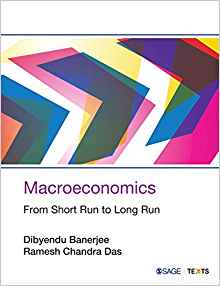
This comprehensive textbook deals with multidimensional aspects of macroeconomics through lucid presentation of concepts and critical comparison of different schools of thoughts.
Macroeconomics: From Short Run to Long Run presents a clear explanation of how the incomes of a country, prices of goods and services, level of employment, interest rates and so on are determined and how an economy progresses. The book attempts to re-establish the existing theories behind the determination of macro variables and the growth process of an economy. In the process, it captures the significance of the debate between the classical orthodox theories and Keynesian modernism and its implications. Besides adhering to traditional aspects, the book also focuses on recent developments such as green macroeconomics. Undergraduate and postgraduate students of economics and business economics will find this book immensely helpful.
Key Features:
- Provides empirical verification of theories where necessary.
- Offers insightful content and critical analysis of environmental factors in the study of macroeconomics.
- Chapters aided by mathematical explanations, quantitative problems and their solutions, and a plethora of objective review questions.
*표시는 필수 입력사항입니다.
| 전화번호 |
|---|
| 기사명 | 저자명 | 페이지 | 원문 | 기사목차 |
|---|
| 번호 | 발행일자 | 권호명 | 제본정보 | 자료실 | 원문 | 신청 페이지 |
|---|
도서위치안내: / 서가번호:

우편복사 목록담기를 완료하였습니다.
*표시는 필수 입력사항입니다.
저장 되었습니다.
