
 대표어
대표어
권호기사보기
| 기사명 | 저자명 | 페이지 | 원문 | 기사목차 |
|---|
결과 내 검색
동의어 포함
| 등록번호 | 청구기호 | 권별정보 | 자료실 | 이용여부 |
|---|---|---|---|---|
| 0002535164 | 331.880941 -A19-2 | 서울관 서고(열람신청 후 1층 대출대) | 이용가능 | |
| B000017682 | 331.880941 -A19-2 | 부산관 서고(열람신청 후 2층 주제자료실) | 이용가능 |

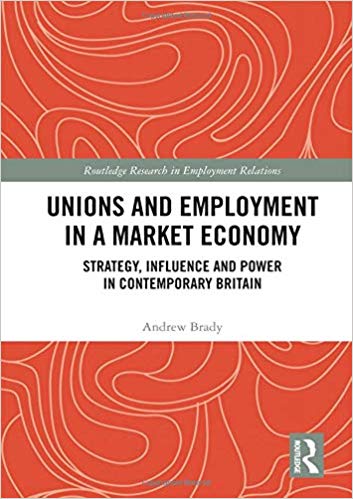
Due to the sharp declines in trade union density and collective bargaining coverage post-1979, the shift by trade unions towards political action has had significant implications for employment relations regulation in contemporary Britain. Yet, there remains insufficient discussion of the factors of influence affecting changes in the political action process from a historical and contemporary perspective. Unions and Employment in a Market Economy will evidence how trade unions were able to offset environmental constraints through a progressive focus on political action, despite diminished power in the Labour Party’s structures and the wider economy. The book presents four legislative events categorised as functional equivalents enacted in two different periods of Labour governance (1974-79 and 1997-2010). The selected events are the Social Contract (1974-79), National Minimum Wage (1998), Employment Relations Act (1999) and the Warwick Agreement (2004). The book’s findings lend credence to the proposition that in a liberal market economy there is a valuable dividend associated with trade union political exchange through the Labour Party.
This book will evidence how trade unions were able to offset environmental constraints through a progressive focus on political action, despite diminished power in the Labour Party’s structures and the wider economy.
*표시는 필수 입력사항입니다.
| 전화번호 |
|---|
| 기사명 | 저자명 | 페이지 | 원문 | 기사목차 |
|---|
| 번호 | 발행일자 | 권호명 | 제본정보 | 자료실 | 원문 | 신청 페이지 |
|---|
도서위치안내: / 서가번호:

우편복사 목록담기를 완료하였습니다.
*표시는 필수 입력사항입니다.
저장 되었습니다.
