
 대표어
대표어
권호기사보기
| 기사명 | 저자명 | 페이지 | 원문 | 기사목차 |
|---|
결과 내 검색
동의어 포함
| 등록번호 | 청구기호 | 권별정보 | 자료실 | 이용여부 |
|---|---|---|---|---|
| 0002542188 | 658.155 -A19-3 | 서울관 서고(열람신청 후 1층 대출대) | 이용가능 | |
| B000018050 | 658.155 -A19-3 | 부산관 서고(열람신청 후 2층 주제자료실) | 이용가능 |

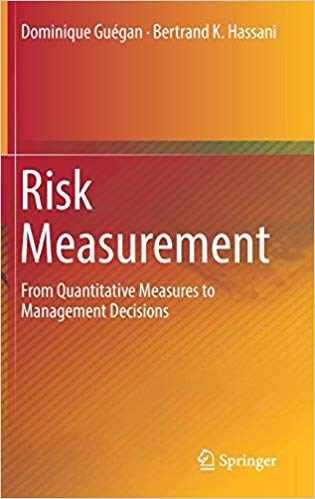
This book combines theory and practice to analyze risk measurement from different points of view. The limitations of a model depend on the framework on which it has been built as well as specific assumptions, and risk managers need to be aware of these when assessing risks. The authors investigate the impact of these limitations, propose an alternative way of thinking that challenges traditional assumptions, and also provide novel solutions. Starting with the traditional Value at Risk (VaR) model and its limitations, the book discusses concepts like the expected shortfall, the spectral measure, the use of the spectrum, and the distortion risk measures from both a univariate and a multivariate perspective.
New feature
This book combines theory and practice to analyze risk measurement from different points of view. The limitations of a model depend on the framework on which it has been built as well as specific assumptions, and risk managers need to be aware of these when assessing risks. The authors investigate the impact of these limitations, propose an alternative way of thinking that challenges traditional assumptions, and also provide novel solutions. Starting with the traditional Value at Risk (VaR) model and its limitations, the book discusses concepts like the expected shortfall, the spectral measure, the use of the spectrum, and the distortion risk measures from both a univariate and a multivariate perspective.*표시는 필수 입력사항입니다.
| 전화번호 |
|---|
| 기사명 | 저자명 | 페이지 | 원문 | 기사목차 |
|---|
| 번호 | 발행일자 | 권호명 | 제본정보 | 자료실 | 원문 | 신청 페이지 |
|---|
도서위치안내: / 서가번호:

우편복사 목록담기를 완료하였습니다.
*표시는 필수 입력사항입니다.
저장 되었습니다.
