
 대표어
대표어
권호기사보기
| 기사명 | 저자명 | 페이지 | 원문 | 기사목차 |
|---|
결과 내 검색
동의어 포함
| 등록번호 | 청구기호 | 권별정보 | 자료실 | 이용여부 |
|---|---|---|---|---|
| 0002550086 | 339 -A19-25 | 서울관 서고(열람신청 후 1층 대출대) | 이용가능 | |
| B000017976 | 339 -A19-25 | 부산관 서고(열람신청 후 2층 주제자료실) | 이용가능 |

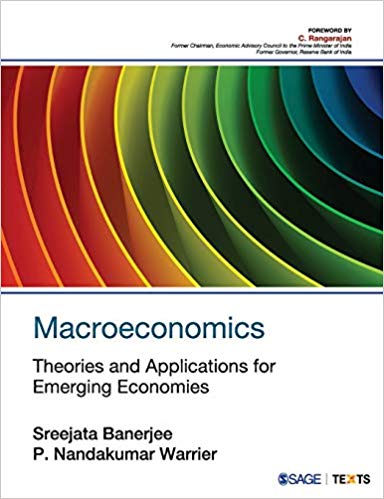
A comprehensive text on macroeconomic theories with reference to developing economies.
This new textbook presents macroeconomic theory and its implications in policy formulation in a unique manner, continuously weaving in scenarios from India and other emerging economies. While the book meticulously guides the reader through the workings of key macroeconomic models, it also discusses at length the assumptions that make the models applicable to developing market nations. It offers interesting insights into the Simple Keynesian Cross Model, international capital movement and different schools of macroeconomic thought, and compares macroeconomic models of developed and developing economies.
Key Features:
- Boxed text highlighting experiences of emerging market economies and demonstrating the role of macroeconomic theory in policy implications
- Use of charts and tables with current data for better comprehension and illustration of the theories and inter-linkages of macroeconomic forces
- Theoretical content of each chapter is illustrated and supplemented by relatable examples and case studies based on policies undertaken by the Indian economy
- A must-have companion for students of economics, policy studies, management, administrative services, commerce and others
*표시는 필수 입력사항입니다.
| 전화번호 |
|---|
| 기사명 | 저자명 | 페이지 | 원문 | 기사목차 |
|---|
| 번호 | 발행일자 | 권호명 | 제본정보 | 자료실 | 원문 | 신청 페이지 |
|---|
도서위치안내: / 서가번호:

우편복사 목록담기를 완료하였습니다.
*표시는 필수 입력사항입니다.
저장 되었습니다.
