
 대표어
대표어
권호기사보기
| 기사명 | 저자명 | 페이지 | 원문 | 기사목차 |
|---|
결과 내 검색
동의어 포함
| 등록번호 | 청구기호 | 권별정보 | 자료실 | 이용여부 |
|---|---|---|---|---|
| 0002579394 | 333.338094 -A19-1 | 서울관 서고(열람신청 후 1층 대출대) | 이용가능 | |
| B000017775 | 333.338094 -A19-1 | 부산관 서고(열람신청 후 2층 주제자료실) | 이용가능 |

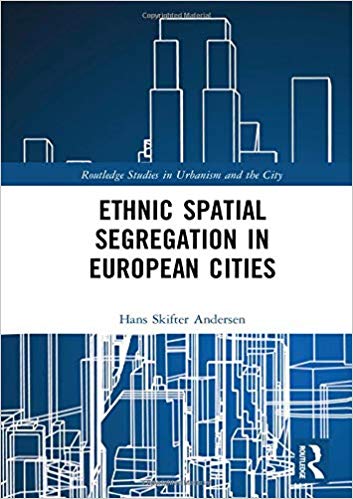
This book provides the first in depth interpretation of how to understand the causes of ethnic residential segregation across Western European countries and the USA.
In many countries, ethnic minorities have obtained low quality housing and may be concentrated in certain parts of cities. This book asks to what extent ethnic segregation can be assigned to special preferences for housing and neighbourhoods among ethnic minorities. Is it the behaviour of the native majority, or is it a result of housing and urban policies? Ethnic segregation differs greatly across European countries and cities. Chapters discuss the extent to which these differences can be explained by welfare state systems, levels of immigration and the ethnic composition of minorities. The book also considers the impact of housing policy and the spatial structure of urban housing markets created by urban planning and policies.
This book will appeal to teachers, students and researchers working with segregation, urban sociology and geography. It will also be valuable to civil servants in central and local governments who are working with measures to combat ethnic segregation and its consequences.
This book provides a model of how to understand the causes of ethnic residential segregation, across Western European countries and the USA.
*표시는 필수 입력사항입니다.
| 전화번호 |
|---|
| 기사명 | 저자명 | 페이지 | 원문 | 기사목차 |
|---|
| 번호 | 발행일자 | 권호명 | 제본정보 | 자료실 | 원문 | 신청 페이지 |
|---|
도서위치안내: / 서가번호:

우편복사 목록담기를 완료하였습니다.
*표시는 필수 입력사항입니다.
저장 되었습니다.
