
 대표어
대표어
권호기사보기
| 기사명 | 저자명 | 페이지 | 원문 | 기사목차 |
|---|
결과 내 검색
동의어 포함
| 등록번호 | 청구기호 | 권별정보 | 자료실 | 이용여부 |
|---|---|---|---|---|
| 0002613410 | 327.73 -A20-1 | 서울관 서고(열람신청 후 1층 대출대) | 이용가능 |

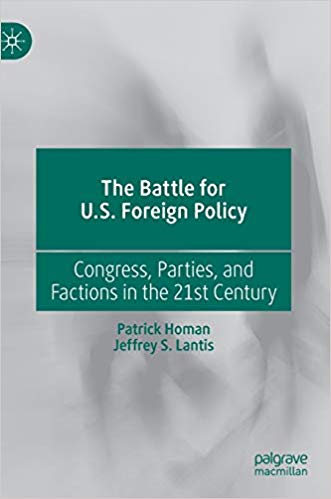
This book is an original study of the contemporary debate over U.S. foreign policy between the president, members of Congress, and political parties. Specifically, it examines how factions at the ideological extremes within parties such as the Tea Party, the Freedom Caucus, and Progressive Democrats can play significant roles in shaping U.S. foreign policy. In today’s polarized atmosphere where Americans seem increasingly divided, factions are emerging as powerful insurgents, innovators, and engines of change. The book develops a minority theory of influence that recognizes the importance of traditional and nontraditional strategies including persuasion, legislation, and issue framing. Original case studies explore factions at work in foreign policy development during the Barack Obama and Donald Trump administrations, including struggles over immigration policy, trade agreements, development aid, and foreign policies toward Iran and Syria. The Battle for U.S. Foreign Policy captures the spirit of ideological and practical party struggles and fills a substantial gap in foreign policy analysis literature.
New feature
This book is an original study of the contemporary debate over U.S. foreign policy between the president, members of Congress, and political parties. Specifically, it examines how factions at the ideological extremes within parties such as the Tea Party, the Freedom Caucus, and Progressive Democrats can play significant roles in shaping U.S. foreign policy. In today’s polarized atmosphere whereAmericans seem increasingly divided, factions are emerging as powerful insurgents, innovators, and engines of change. The book develops a minority theory of influence that recognizes the importance of traditional and nontraditional strategies including persuasion, legislation, and issue framing. Original case studies explore factions at work in foreign policy development during the Barack Obama and Donald Trump administrations, including struggles over immigration policy, trade agreements, development aid, and foreign policies toward Iran and Syria. The Battle for U.S. Foreign Policy captures the spirit of ideological and practical party struggles and fills a substantial gap in foreign policy analysis literature.*표시는 필수 입력사항입니다.
| 전화번호 |
|---|
| 기사명 | 저자명 | 페이지 | 원문 | 기사목차 |
|---|
| 번호 | 발행일자 | 권호명 | 제본정보 | 자료실 | 원문 | 신청 페이지 |
|---|
도서위치안내: / 서가번호:

우편복사 목록담기를 완료하였습니다.
*표시는 필수 입력사항입니다.
저장 되었습니다.
