
 대표어
대표어
권호기사보기
| 기사명 | 저자명 | 페이지 | 원문 | 기사목차 |
|---|
결과 내 검색
동의어 포함
| 등록번호 | 청구기호 | 권별정보 | 자료실 | 이용여부 |
|---|---|---|---|---|
| 0002614704 | 327.73 -A20-2 | 서울관 서고(열람신청 후 1층 대출대) | 이용가능 |

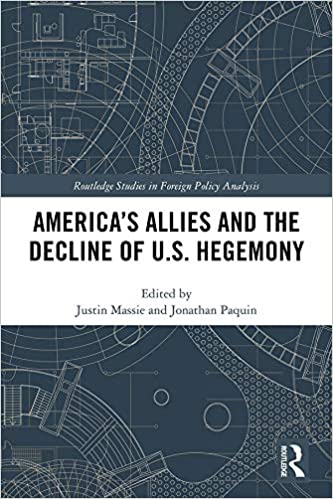
How do America’s democratic allies perceive and respond to a relative decline in US power and influence and the simultaneous rise of China? Using the case-studies of Europe, the UK, Australia, Canada, Japan and South East Asian countries, this book offers a broad assessment of the perceptions of threat and the strategies used by these allies to cope with the relative decline of America’s hegemonic power, the rise of China and the transforming world order.
In answering these central questions, contributors focus on two complementary analytical approaches. The first examines the perceptions of systemic changes by America’s allies: how are US allies framing this issue and what kind of political discourse is emerging with regards to it? The second approach focuses on the concrete foreign policy and defence strategies put forward by these allies. The book explores the extent to which US allies are willing to support US hegemony and considers the democratic allies’ understanding of the international structure, their relations to the United States, and their own aspirations in this changing world order.
This book will be of interest to general readers as well as scholars and students of US foreign policy, foreign policy analysis and International Relations.
Using the case-studies of Europe, the UK, Australia, Canada, Japan and South East Asian countries, this book offers a broad assessment of the perceptions of threat and the strategies used by these allies to cope with the relative decline of America’s hegemonic power, the rise of China and the transforming world order.
*표시는 필수 입력사항입니다.
| 전화번호 |
|---|
| 기사명 | 저자명 | 페이지 | 원문 | 기사목차 |
|---|
| 번호 | 발행일자 | 권호명 | 제본정보 | 자료실 | 원문 | 신청 페이지 |
|---|
도서위치안내: / 서가번호:

우편복사 목록담기를 완료하였습니다.
*표시는 필수 입력사항입니다.
저장 되었습니다.
