
 대표어
대표어
권호기사보기
| 기사명 | 저자명 | 페이지 | 원문 | 기사목차 |
|---|
결과 내 검색
동의어 포함
| 등록번호 | 청구기호 | 권별정보 | 자료실 | 이용여부 |
|---|---|---|---|---|
| 0002614706 | 351.072 -A20-1 | 서울관 서고(열람신청 후 1층 대출대) | 이용가능 |

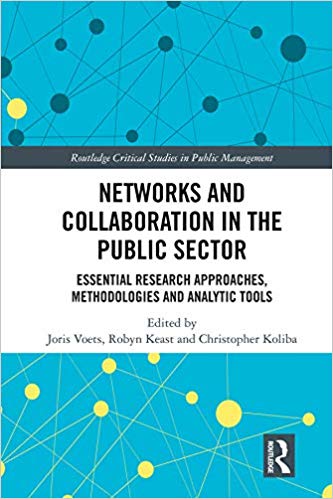
Networks and other collaborations are central to the public sector’s ability to respond to their diverse responsibilities, from international development and regional governance, to policy development and service provision. Great strides have been made toward understanding their formation, governance and management, but more opportunities to explore methodologies and measures is required to ensure they are properly understood.
This volume showcases an array of selected research methods and analytics tools currently used by scholars and practitioners in network and collaboration research, as well as emerging styles of empirical investigation. Although it cannot attempt to capture all technical details for each one, this book provides a unique catalogue of compelling methods for researchers and practitioners, which are illustrated extensively with applications in the public and non-profit sector.
By bringing together leading and upcoming scholars in network research, the book will be of enormous assistance in guiding students and scholars in public management to study collaboration and networks empirically by demonstrating the core research approaches and tools for investigating and evaluating these crucially important arrangements.
Networks and other collaborations are central to the public sector’s ability to respond to their diverse responsibilities, from international development and regional governance, to policy development and service provision.
*표시는 필수 입력사항입니다.
| 전화번호 |
|---|
| 기사명 | 저자명 | 페이지 | 원문 | 기사목차 |
|---|
| 번호 | 발행일자 | 권호명 | 제본정보 | 자료실 | 원문 | 신청 페이지 |
|---|
도서위치안내: / 서가번호:

우편복사 목록담기를 완료하였습니다.
*표시는 필수 입력사항입니다.
저장 되었습니다.
