
 대표어
대표어
권호기사보기
| 기사명 | 저자명 | 페이지 | 원문 | 기사목차 |
|---|
결과 내 검색
동의어 포함
| 등록번호 | 청구기호 | 권별정보 | 자료실 | 이용여부 |
|---|---|---|---|---|
| 0002614728 | 327.51 -A20-1 | 서울관 서고(열람신청 후 1층 대출대) | 이용가능 |

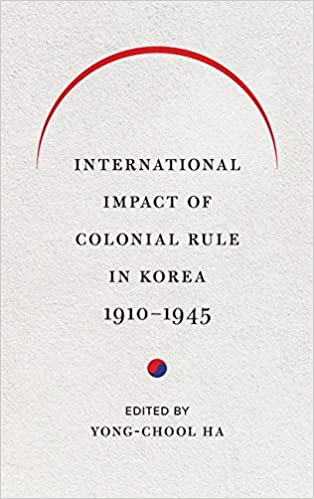
In recent years, discussion of the colonial period in Korea has centered mostly on the degree of exploitation or development that took place domestically, while international aspects have been relatively neglected. Colonial discourse, such as characterization of Korea as a "hermit nation," was promulgated around the world by Japan and haunts us today. The colonization of Korea also transformed Japan and has had long-term consequences for post-World War II Northeast Asia as a whole.
Through sections that explore Japan's images of Korea, colonial Koreans' perceptions of foreign societies and foreign relations, and international perceptions of colonial Korea, the essays in this volume show the broad influence of Japanese colonialism not simply on the Korean peninsula, but on how the world understood Japan and how Japan understood itself. When initially incorporated into the Japanese empire, Korea seemed lost to Japan's designs, yet Korean resistance to colonial rule, along with later international fear of Japanese expansion, led the world to rethink the importance of Korea as a future sovereign nation.
*표시는 필수 입력사항입니다.
| 전화번호 |
|---|
| 기사명 | 저자명 | 페이지 | 원문 | 기사목차 |
|---|
| 번호 | 발행일자 | 권호명 | 제본정보 | 자료실 | 원문 | 신청 페이지 |
|---|
도서위치안내: / 서가번호:

우편복사 목록담기를 완료하였습니다.
*표시는 필수 입력사항입니다.
저장 되었습니다.
