
 대표어
대표어
권호기사보기
| 기사명 | 저자명 | 페이지 | 원문 | 기사목차 |
|---|
결과 내 검색
동의어 포함
| 등록번호 | 청구기호 | 권별정보 | 자료실 | 이용여부 |
|---|---|---|---|---|
| 0002614746 | 305.908082 -A20-1 | 서울관 서고(열람신청 후 1층 대출대) | 이용가능 |

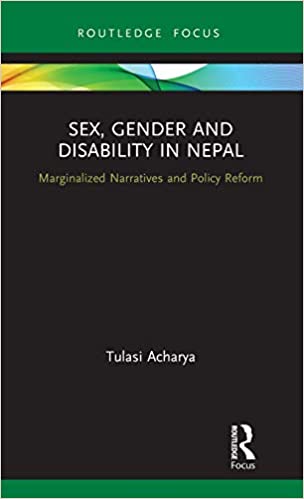
This book explores the sex lives of women with disabilities in Nepal, showing that many women suffer more than men despite prevailing disability policies that emphasize nondiscrimination against people with disabilities. It also argues that far from general perceptions of women as asexual, women with disabilities are capable of leading highly creative and fulfilling sexual lives.
Using critical sexual theory and postcolonial studies as critical frameworks, the book investigates the narratives of authors with disabilities, exploring policy gaps and the need for supportive gender and sexual policies through the words of those affected. In particular, the book analyzes five female Nepali authors with disabilities: Radhika Dahal, Jhamak Ghimire, Sabitri Karki, Parijaat, and Mira Sahi, demonstrating the need for supportive gender policies to address the emotional and psychological needs of women with disabilities. Overall, the book argues that disciplinary discourses in practice often consider sex or sexuality as taboo, barely recognizing women in the context of marriage and family, and therefore creating gaps between policies and marginalized narratives.
This book provides important insights into sex and disability within the context of the Global South, and as such will be of interest not only to researchers working on Nepal but also to scholars across gender studies, disability studies, international development, and postcolonialism.
This book explores the sex lives of women with disabilities in Nepal. It shows that many women suffer more than men despite prevailing disability policies that emphasize non-discrimination against people with disabilities and argues that far from perceptions, women with disabilities are capable of leading fulfilling sexual lives.
*표시는 필수 입력사항입니다.
| 전화번호 |
|---|
| 기사명 | 저자명 | 페이지 | 원문 | 기사목차 |
|---|
| 번호 | 발행일자 | 권호명 | 제본정보 | 자료실 | 원문 | 신청 페이지 |
|---|
도서위치안내: / 서가번호:

우편복사 목록담기를 완료하였습니다.
*표시는 필수 입력사항입니다.
저장 되었습니다.
