
 대표어
권호기사보기
| 기사명 | 저자명 | 페이지 | 원문 | 기사목차 |
|---|
결과 내 검색
동의어 포함
| 등록번호 | 청구기호 | 권별정보 | 자료실 | 이용여부 |
|---|---|---|---|---|
| 0002823640 | R 330.94371 O68o | 2020 | 서울관 서고(열람신청 후 1층 대출대) | 이용가능 |
| 0002886621 | R 330.94371 O68o | 2020 | 부산관 서고(열람신청 후 2층 주제자료실) | 이용불가 |

The Israeli economy was performing well before the COVID-19 shock but the pandemic is threatening to reverse some of Israel's recent economic achievements, raise poverty and exacerbate wide productivity disparities between its vibrant high-tech sector and lagging sheltered sectors. Lockdown measures and high uncertainty have led to a sharp contraction in output and reduced employment. In this environment, macroeconomic policy needs to remain supportive and flexible to adapt to the evolving health situation. Enhancing training and job search support is crucial to help laid-off workers transition to new jobs quickly and avoid long-lasting negative economic effects. Structural reforms and additional public investment to improve educational outcomes, boost infrastructure and foster product market competition are key to strengthening the recovery. Reducing wide differences in resources between municipalities will promote equal opportunities for everyone. Tax reforms to further strengthen in-work benefits, cut inefficient tax expenditures, reduce distortions created by the business and property tax system and better align taxes with environmental externalities will make the recovery more inclusive and sustainable, while generating additional revenues.
SPECIAL FEATURES: REDUCING MUNICIPAL DISPARITIES; TAXATION
*표시는 필수 입력사항입니다.
| 전화번호 |
|---|
| 기사명 | 저자명 | 페이지 | 원문 | 기사목차 |
|---|
| 번호 | 발행일자 | 권호명 | 제본정보 | 자료실 | 원문 | 신청 페이지 |
|---|
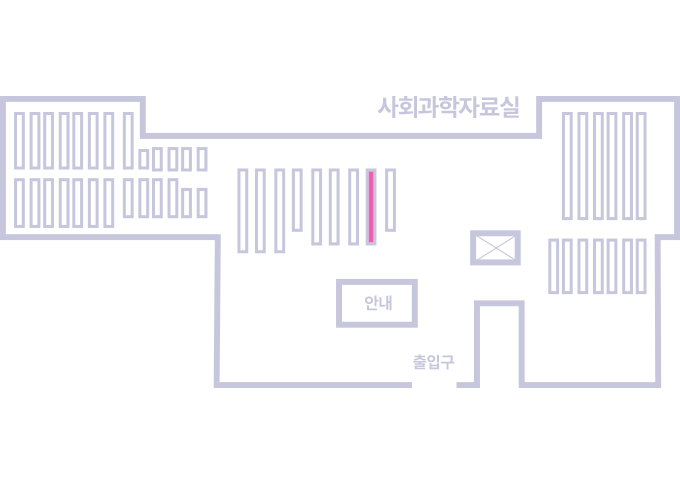
도서위치안내: / 서가번호:
우편복사 목록담기를 완료하였습니다.
*표시는 필수 입력사항입니다.
저장 되었습니다.