
 대표어
권호기사보기
| 기사명 | 저자명 | 페이지 | 원문 | 기사목차 |
|---|
결과 내 검색
동의어 포함
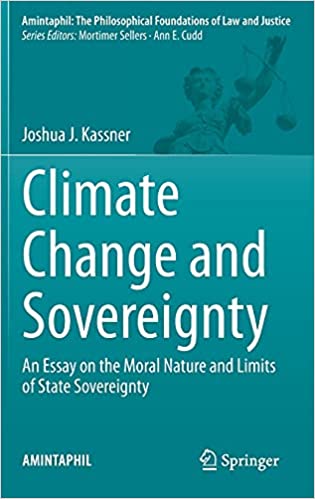
This book offers a meditation on global justice and international political and legal theory. The author assesses positions in the current debate over the moral nature and limits of sovereignty. He also evaluates the normative role sovereignty ought to play in the practical deliberations of states.
The discussion moves from theory to practice. Coverage starts with a conceptual analysis and moral critique. It then goes on to consider specific issues. These include global climate change, secession and self-determination, human rights, global distributive justice, and immigration. Readers will learn how states ought to deliberate about and respond to these important topics. They will also discover potential institutional structures better suited to resolving these issues while also respecting state sovereignty.
In working through each specific challenge, the author provides insight into how we ought to think about challenges facing the international community and the potential for properly constructed institutions to function as solutions. These analyses also provide a valuable critical lens to assess the actions (and omissions) of our leaders.
In the end, the book argues that domestic governments and regional bodies should be responsible for implementing the chosen course of action. This would provide a basis for holding political leaders more accountable.
| 등록번호 | 청구기호 | 권별정보 | 자료실 | 이용여부 |
|---|---|---|---|---|
| 0002834741 | 363.73874 -A22-3 | 서울관 서고(열람신청 후 1층 대출대) | 이용가능 |

This book offers a meditation on global justice and international political and legal theory. The author assesses positions in the current debate over the moral nature and limits of sovereignty. He also evaluates the normative role sovereignty ought to play in the practical deliberations of states.
The discussion moves from theory to practice. Coverage starts with a conceptual analysis and moral critique. It then goes on to consider specific issues. These include global climate change, secession and self-determination, human rights, global distributive justice, and immigration. Readers will learn how states ought to deliberate about and respond to these important topics. They will also discover potential institutional structures better suited to resolving these issues while also respecting state sovereignty.
In working through each specific challenge, the author provides insight into how we ought to think about challenges facing the international community and the potential for properly constructed institutions to function as solutions. These analyses also provide a valuable critical lens to assess the actions (and omissions) of our leaders.
In the end, the book argues that domestic governments and regional bodies should be responsible for implementing the chosen course of action. This would provide a basis for holding political leaders more accountable.
New feature
This book offers a meditation on global justice and international political and legal theory. The author assesses positions in the current debate over the moral nature and limits of sovereignty. He also evaluates the normative role sovereignty ought to play in the practical deliberations of states.
The discussion moves from theory to practice. Coverage starts with a conceptual analysis and moral critique. It then goes on to consider specific issues. These include global climate change, secession and self-determination, human rights, global distributive justice, and immigration. Readers will learn how states ought to deliberate about and respond to these important topics. They will also discover potential institutional structures better suited to resolving these issues while also respecting state sovereignty.
In working through each specific challenge, the author provides insight into how we ought to think about challenges facing the international community and the potential for properly constructed institutions to function as solutions. These analyses also provide a valuable critical lens to assess the actions (and omissions) of our leaders.In the end, the book argues that domestic governments and regional bodies should be responsible for implementing the chosen course of action. This would provide a basis for holding political leaders more accountable.
*표시는 필수 입력사항입니다.
| 전화번호 |
|---|
| 기사명 | 저자명 | 페이지 | 원문 | 기사목차 |
|---|
| 번호 | 발행일자 | 권호명 | 제본정보 | 자료실 | 원문 | 신청 페이지 |
|---|
도서위치안내: / 서가번호:

우편복사 목록담기를 완료하였습니다.
*표시는 필수 입력사항입니다.
저장 되었습니다.
