본문 바로가기 주메뉴 바로가기
국회도서관 홈으로 정보검색 소장정보 검색

결과 내 검색

동의어 포함

목차보기


List of Figures and Table
Notes on Contributors
Acknowledgements
PART I Conceptualizing `Nothing about Us without Us' and Researching Marginalized Peoples
1 Introduction: `Nothing about Us without Us', a History and Application for Criminology
2 Working Together to Create Change: Theory, Experience, and Praxis
3 Whitewashing the White Collar
PART II Insider Voices
4 Institutional Abuse in Ireland: Lessons from Magdalene Survivors and Legal Professionals
5 Re-storying Offending Behaviour: A Normal Response to an Overdose of Trauma?
6 Sexual and Gender-Based Violence against Refugee Women as a Continuum of Violence
7 Reconsidering the 1991 Blackbird Leys Rioters as an Underclass: An Insider Perspective
8 An Autobiographical Account of Desistance and Recovery
PART III Policy Responses and Reforms
9 Access Denied: Sex Worker Health and Well-Being in the Context of Criminalization
10 Care versus Crime: Safe Injecting Facilities as a Legal Crossroads in Ireland
11 Giving Voice to Convicted Perpetrators of Sexual Harm: Assisted Desistance in the Community
12 Reforming Ireland's Adversarial Trial for Victims of Crime with Intellectual Disabilities
13 The Inside-Out Prison Exchange Program®: Its Origin, Essence, and Global Reach
Index

이용현황보기

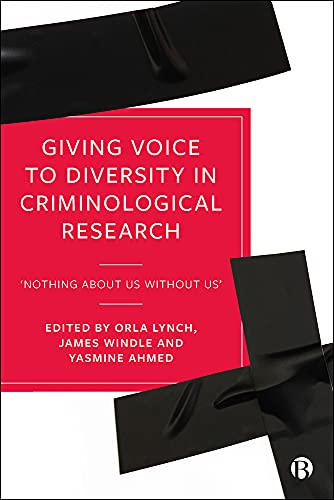
Giving voice to diversity in criminological research : 'nothing about us without us' 이용현황 표 - 등록번호, 청구기호, 권별정보, 자료실, 이용여부로 구성 되어있습니다.
등록번호 청구기호 권별정보 자료실 이용여부
0002873084 364.072 -A22-2 서울관 서고(열람신청 후 1층 대출대) 이용가능

출판사 책소개

알라딘제공

The people most impacted by criminal justice policies and practices are seldom included in the decision-making processes that affect their lives.

Building on the 'nothing about us without us' social movement, this edited volume advocates an inclusive approach to criminology that gives voice to historically marginalized, silenced, and ignored groups.

Incorporating the experiences of service users, academics, and state and grassroots practitioners, this volume considers how researchers might bridge the gap between theory and lived experience. It furthers criminological scholarship by capturing the voices of marginalized groups and exploring how criminology can authentically incorporate these voices.


