
 대표어
대표어
권호기사보기
| 기사명 | 저자명 | 페이지 | 원문 | 기사목차 |
|---|
결과 내 검색
동의어 포함
| 등록번호 | 청구기호 | 권별정보 | 자료실 | 이용여부 |
|---|---|---|---|---|
| 0002877287 | 327.101 -A22-10 | 서울관 서고(열람신청 후 1층 대출대) | 이용가능 |

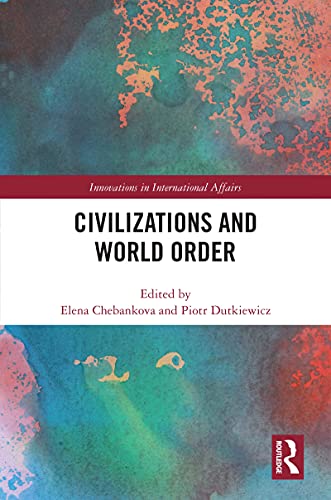
This timely and original volume fills the gaps in the existing theoretical and philosophical literature on international relations by problematizing civilization as a new unit of research in global politics. It interrogates to what extent and in what ways civilization is becoming a strategic frame of reference in the current world order.
The book complements and advances the existing field of study previously dominated by other approaches ? economic, national, class-based, racial, and colonial ? and tests its key philosophical suppositions against countries that exhibit civilizational ambitions. The authors are all leading international scholars in the fields of political theory, IR, cultural analysis, and area studies who deal with various aspects of the civilizational arena.
Offering key chapters on ideology, multipolarity, modernity, liberal democracy, and capitalism, this book extends the existing methodological, theoretical, and empirical debates for IR and area studies scholars globally. It will be of great interest to politicians, public opinion makers, and all those concerned with the evolution of world affairs.
This timely and original volume fill the gaps in the existing theoretical and philosophical literature on international relations by problematizing civilization as a new unit of research in global politics. It interrogates to what extent and in what ways civilization is becoming a strategic frame of reference in the current world order.
*표시는 필수 입력사항입니다.
| 전화번호 |
|---|
| 기사명 | 저자명 | 페이지 | 원문 | 기사목차 |
|---|
| 번호 | 발행일자 | 권호명 | 제본정보 | 자료실 | 원문 | 신청 페이지 |
|---|
도서위치안내: / 서가번호:

우편복사 목록담기를 완료하였습니다.
*표시는 필수 입력사항입니다.
저장 되었습니다.
