
 대표어
권호기사보기
| 기사명 | 저자명 | 페이지 | 원문 | 기사목차 |
|---|
결과 내 검색
동의어 포함
| 등록번호 | 청구기호 | 권별정보 | 자료실 | 이용여부 |
|---|---|---|---|---|
| 0002886906 | 338.9 -A22-33 | 서울관 서고(열람신청 후 1층 대출대) | 이용가능 |

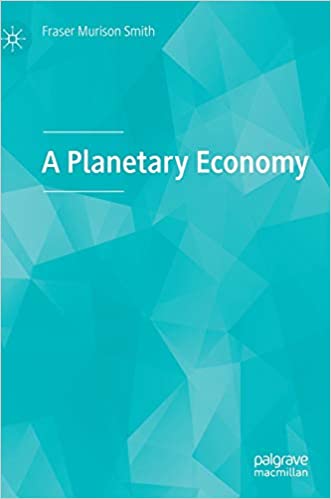
This book asks, how would a stable, prosperous economy of the future look if one started with a blank sheet of paper? Given that the world’s economy is locked into a coevolution with nature, the urgency of this question is brought into stark relief by the 2020 coronavirus pandemic and ongoing climate change.
While physical technologies to build such an economy mostly exist, the social technologies, in the form of institutions, governance and policies, do not. The development of these social technologies will necessitate a reconsideration of economic norms: in particular, what is the economy for, and what are we, as actors within it, striving for? This book integrates normative, institutional, political and economic requirements into a systematic framework to drive our present growth economy toward a future planetarian one. It outlines a suite of interrelated policies to increase the economy’s material efficiency, establish a basic living standard, and reform the money system, while along the way eliminating economic debt and balancing government budgets.The framework and policies together form a paradigm of market planetarianism: the idea that the power of markets may be used to steer the economy toward a desired long-term goal. The methodological aspects of this paradigm are covered in the companion volume, Economics of a Crowded Planet.
New feature
This book asks, how would a stable, prosperous economy of the future look if one started with a blank sheet of paper? Given that the world’s economy is locked into a coevolution with nature, the urgency of this question is brought into stark relief by the 2020 coronavirus pandemic and ongoing climate change.
While physical technologies to build such an economy mostly exist, the social technologies, in the form of institutions, governance and policies, do not. The development of these social technologies will necessitate a reconsideration of economic norms: in particular, what is the economy for, and what are we, as actors within it, striving for? This book integrates normative, institutional, political and economic requirements into a systematic framework to drive our present growth economy toward a future planetarian one. It outlines a suite of interrelated policies to increase the economy’s material efficiency, establish a basic living standard, and reform the money system, while along the way eliminating economic debt and balancing government budgets.The framework and policies together form a paradigm of market planetarianism: the idea that the power of markets may be used to steer the economy toward a desired long-term goal. The methodological aspects of this paradigm are covered in the companion volume, Economics of a Crowded Planet.
*표시는 필수 입력사항입니다.
| 전화번호 |
|---|
| 기사명 | 저자명 | 페이지 | 원문 | 기사목차 |
|---|
| 번호 | 발행일자 | 권호명 | 제본정보 | 자료실 | 원문 | 신청 페이지 |
|---|
도서위치안내: / 서가번호:

우편복사 목록담기를 완료하였습니다.
*표시는 필수 입력사항입니다.
저장 되었습니다.
