
 대표어
권호기사보기
| 기사명 | 저자명 | 페이지 | 원문 | 기사목차 |
|---|
결과 내 검색
동의어 포함
| 등록번호 | 청구기호 | 권별정보 | 자료실 | 이용여부 |
|---|---|---|---|---|
| 0002889014 | 307.760943 -A22-1 | 서울관 서고(열람신청 후 1층 대출대) | 이용가능 |

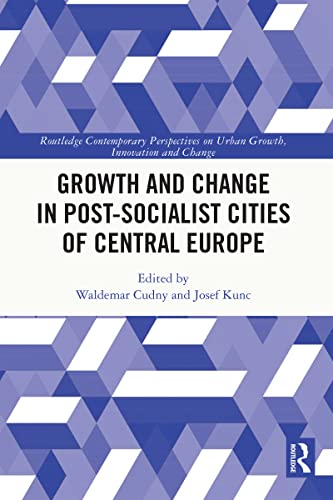
This book presents multidimensional socio-economic transformations taking place in the post-socialist cities located in selected countries of the Central European region.
The analysis includes case studies from the Eastern part of Germany (Chemnitz, Leipzig), Poland (Łod?, Kielce, Katowice conurbation, and peripheral urban centres from Eastern Poland), Slovakia (Bratislava, Nitra), the Czech Republic (Olomouc, Brno), and from Hungary (Pecs). The analysed urban areas have undergone far-reaching political and socio-economic changes in the last 30 years. These changes began with the collapse of communism and the centrally planned economy system in the region of Central Europe. The beginning of this period, often referred to as post-socialist transformation, dates back to 1989. The consequence of the aforementioned political processes was the multifaceted socio-economic and demographic changes that significantly affected urban areas in Central Europe. This book presents an attempt to summarize the main long-term processes of changes taking place in these urban areas and to identify contemporary and future trends in their socio-economic development.
The book will be valuable to undergraduate and postgraduate students in human geography, urban studies, economy, and city marketing, especially with an interest in Central Europe.
This book presents multidimensional socio-economic transformations taking place in the post-socialist cities located in selected countries of the Central European region. It will be valuable to undergraduate and postgraduate students in human geography, urban studies, economy, and city marketing, especially with an interesting in Central Europe.
*표시는 필수 입력사항입니다.
| 전화번호 |
|---|
| 기사명 | 저자명 | 페이지 | 원문 | 기사목차 |
|---|
| 번호 | 발행일자 | 권호명 | 제본정보 | 자료실 | 원문 | 신청 페이지 |
|---|
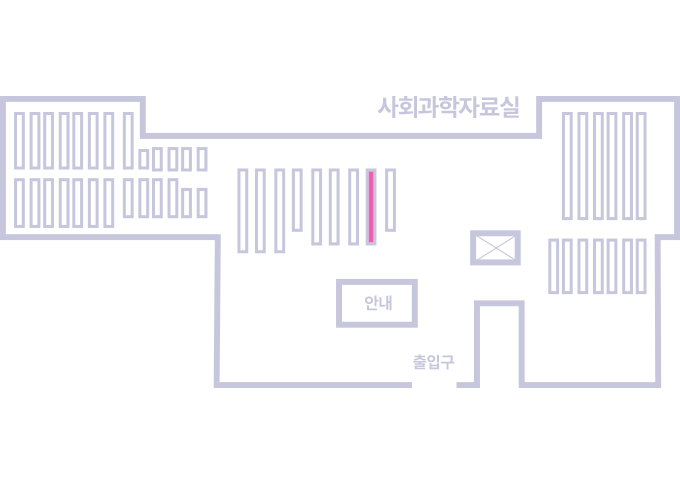
도서위치안내: / 서가번호:
우편복사 목록담기를 완료하였습니다.
*표시는 필수 입력사항입니다.
저장 되었습니다.