

 대표어
권호기사보기
| 기사명 | 저자명 | 페이지 | 원문 | 기사목차 |
|---|
결과 내 검색
동의어 포함
| 등록번호 | 청구기호 | 권별정보 | 자료실 | 이용여부 |
|---|---|---|---|---|
| 0002954548 | 947 -A23-2 | 서울관 서고(열람신청 후 1층 대출대) | 이용가능 |

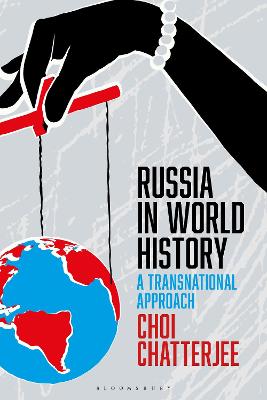
Russia in World History uses a comparative framework to understand Russian history in a global context. The book challenges the idea of Russia as an outlier of European civilization by examining select themes in modern Russian history alongside cases drawn from the British empire.
Choi Chatterjee analyzes the concepts of nation and empire, selfhood and subjectivity, socialism and capitalism, and revolution and the world order in the 19th-, 20th-, and 21st-century. In doing so she rethinks many historical narratives that bluntly posits a liberal West against a repressive, authoritarian Russia. Instead Chatterjee argues for a wider perspective which reveals that imperial practices relating to the appropriation of human and natural resources were shared across European empires: East and West. Incorporating the stories of famous thinkers, such as Leo Tolstoy, Emma Goldman, and Arundhati Roy, and ordinary people from peasants on collective farms in the Soviet Union or in black reserves in South Africa, this wholly original interpretation of modern Russia is knitted together from the varied lives and experiences of those individuals who challenged the status quo and taught us to think differently. This a ground-breaking book with big ideas, but those ideas are always traced back to an identifiably human source. This unique text is vital reading for all students of both modern Russian and modern World history.*표시는 필수 입력사항입니다.
| 전화번호 |
|---|
| 기사명 | 저자명 | 페이지 | 원문 | 기사목차 |
|---|
| 번호 | 발행일자 | 권호명 | 제본정보 | 자료실 | 원문 | 신청 페이지 |
|---|
도서위치안내: / 서가번호:

우편복사 목록담기를 완료하였습니다.
*표시는 필수 입력사항입니다.
저장 되었습니다.
