
 대표어
대표어
권호기사보기
| 기사명 | 저자명 | 페이지 | 원문 | 기사목차 |
|---|
결과 내 검색
동의어 포함
| 등록번호 | 청구기호 | 권별정보 | 자료실 | 이용여부 |
|---|---|---|---|---|
| 0002961776 | 362.4082 -A23-1 | 서울관 서고(열람신청 후 1층 대출대) | 이용가능 |

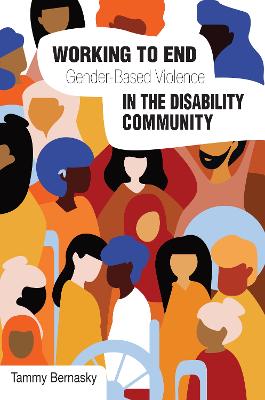
Violence and economic oppression affect women the world over, and women with disabilities face even greater risks than their counterparts. Women with disabilities experience violence and poverty in different ways and at higher rates than non-disabled women and all men.
This book explores gender-based violence and disability from the vantage point of resistance movements. Emphasis is placed on giving voice to the experiences of thirteen community organizers and self-advocates working to end gender-based violence. These stories, told from Australia, Bangladesh, Canada, Ghana, India, Kenya, United States, Nepal, and Yemen identify common challenges and transformative aspects of community organizing.
The challenges that emerged from these stories were negative perceptions of disability, a lack of representation in disability and feminist movements, inadequately addressing intersectional oppression, structural violence, and rights, justice and policy issues. These community organizers and advocates also identified important transformative elements which they describe as seeing their experiences reflected in the work, wanting a better situation for others, a raised awareness about gender-based violence against people with disabilities, having support from the community, and improved advocacy.
The book concludes with a discussion on the ways that movements to end violence can transform individual and collective consciousness about disability and gender oppression. Ultimately, in order for social movements to be ongoing and progressive, they require supporters and actors who individually and collectively recognize a common struggle, share a desire to ensure better for themselves and others, and exhibit a propensity to act.
*표시는 필수 입력사항입니다.
| 전화번호 |
|---|
| 기사명 | 저자명 | 페이지 | 원문 | 기사목차 |
|---|
| 번호 | 발행일자 | 권호명 | 제본정보 | 자료실 | 원문 | 신청 페이지 |
|---|
도서위치안내: / 서가번호:

우편복사 목록담기를 완료하였습니다.
*표시는 필수 입력사항입니다.
저장 되었습니다.
