본문 바로가기 주메뉴 바로가기
국회도서관 홈으로 정보검색 소장정보 검색

결과 내 검색

동의어 포함

목차보기


List of Figures and Images
Acknowledgments
1 Introduction
2 The Cartel Model
3 The Cartel Emerges
4 The Cartel Takes Over
5 Challenges to the Cartel
6 Resilience of the Cartel
7 The Cartel Today
Notes
Bibliography
Index

출판사 책소개

The people who live in border towns often have closer relations with people across their immediate borders than with people in the same country as them. Despite how intertwined these border communities often are, neither community can access the governmental institutions of the nation on the other side. Why are the citizens of neighboring regions that lie across an international border often subject to very different governance systems? More broadly, why can't public services be bought piecemeal, on an a-la-carte basis, with governments competing to provide higher quality services at the lowest cost in a marketplace for government services? These questions lie at the heart of modern International Relations.

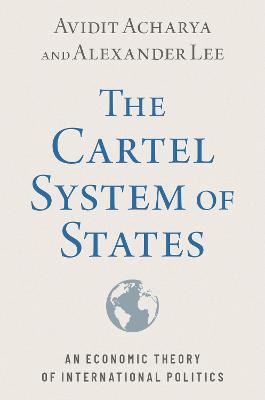
In The Cartel System of States, Avidit Acharya and Alexander Lee provide a powerful and field-shaping theory to address a fundamental issue in world politics: the character of the territorial nation-state. They contend that the modern territorial state system works as an economic cartel in which states have local, bounded monopolies in governing their citizens. States refuse to violate each other's monopolies, even when they could do so easily. Acharya and Lee examine what makes this system stable, when and how it emerged, how it spread, how it has been challenged, and what led it to be so resilient over time. Drawing from the centuries long process of modern state formation, The Cartel System of States explains both how the present system of territorial states--by no means a foregone conclusion in retrospect--took over the world and how it might change in the future.


provided by publisher

이용현황보기

The cartel system of states : an economic theory of international politics 이용현황 표 - 등록번호, 청구기호, 권별정보, 자료실, 이용여부로 구성 되어있습니다.
등록번호 청구기호 권별정보 자료실 이용여부
0003012706 320.12 -A23-8 서울관 서고(열람신청 후 1층 대출대) 이용가능

출판사 책소개

알라딘제공
Why are the citizens of neighboring regions that lie across an international border often subject to very different governance systems? In The Cartel System of States, Avidit Acharya and Alexander Lee provide a powerful and field-shaping theory to address a fundamental issue in world politics: the character of the territorial nation-state. They contend that the defining feature of the modern territorial state system works as an economic cartel in whichstates have local, bounded monopolies in governing their citizens. States refuse to violate each other's monopolies, even when they could do so easily. Drawing from the centuries long process of modern state formation, The Cartel System of States explains both how the present system of territorial states?by nomeans a foregone conclusion in retrospect?took over the world and how it might change in the future.

The people who live in border towns often have closer relations with people across their immediate borders than with people in the same country as them. Despite how intertwined these border communities often are, neither community can access the governmental institutions of the nation on the other side. Why are the citizens of neighboring regions that lie across an international border often subject to very different governance systems? More broadly, why can't publicservices be bought piecemeal, on an a-la-carte basis, with governments competing to provide higher quality services at the lowest cost in a marketplace for government services? These questions lie at the heart of modern International Relations.In The Cartel System of States, Avidit Acharya and Alexander Lee provide a powerful and field-shaping theory to address a fundamental issue in world politics: the character of the territorial nation-state. They contend that the modern territorial state system works as an economic cartel in which states have local, bounded monopolies in governing their citizens. States refuse to violate each other's monopolies, even when they could do so easily. Acharya and Lee examine what makes thissystem stable, when and how it emerged, how it spread, how it has been challenged, and what led it to be so resilient over time. Drawing from the centuries long process of modern state formation, The Cartel System of States explains both how the present system of territorial states?by no means a foregoneconclusion in retrospect?took over the world and how it might change in the future.


