
 대표어
대표어
권호기사보기
| 기사명 | 저자명 | 페이지 | 원문 | 기사목차 |
|---|
결과 내 검색
동의어 포함
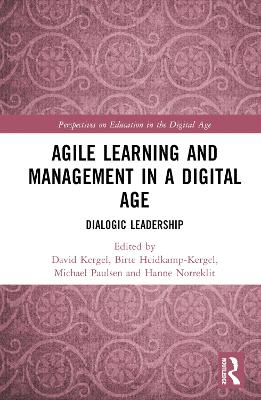
This book offers a detailed theoretical analysis of the fields of learning and management in the digital age. Taking an interdisciplinary approach, it opens a dialogue between agile management theory and agile learning theory.
The book argues that there is a tension between participative and action-orientated approaches on the one hand and neoliberal enclosure of the actor on the other hand. It takes this as an opportunity for interdisciplinary dialogue between learning theories and management concepts. With contributions from a range of international experts, chapters discuss the need for suitable theoretical, epistemological, and ethical foundations as well as practice-orientated methods for learning and management to implement appropriate strategies and meet educational challenges.
This highly topical book will be of great interest to academics, postgraduate students, and researchers in the fields of digital learning, educational theory, management theory, and communication studies.
| 등록번호 | 청구기호 | 권별정보 | 자료실 | 이용여부 |
|---|---|---|---|---|
| 0003014188 | 658.400285 -A23-1 | 서울관 서고(열람신청 후 1층 대출대) | 이용가능 |

This book offers a detailed theoretical analysis of the fields of learning and management in the digital age. Taking an interdisciplinary approach, it opens a dialogue between agile management theory and agile learning theory.
The book argues that there is a tension between participative and action-orientated approaches on the one hand and neoliberal enclosure of the actor on the other hand. It takes this as an opportunity for interdisciplinary dialogue between learning theories and management concepts. With contributions from a range of international experts, chapters discuss the need for suitable theoretical, epistemological, and ethical foundations as well as practice-orientated methods for learning and management to implement appropriate strategies and meet educational challenges.
This highly topical book will be of great interest to academics, postgraduate students, and researchers in the fields of digital learning, educational theory, management theory, and communication studies.
This book offers a detailed theoretical analysis of the fields of learning and management in the digital age. Taking an interdisciplinary approach, it opens a dialogue between agile management theory and agile learning theory.
*표시는 필수 입력사항입니다.
| 전화번호 |
|---|
| 기사명 | 저자명 | 페이지 | 원문 | 기사목차 |
|---|
| 번호 | 발행일자 | 권호명 | 제본정보 | 자료실 | 원문 | 신청 페이지 |
|---|
도서위치안내: / 서가번호:

우편복사 목록담기를 완료하였습니다.
*표시는 필수 입력사항입니다.
저장 되었습니다.
