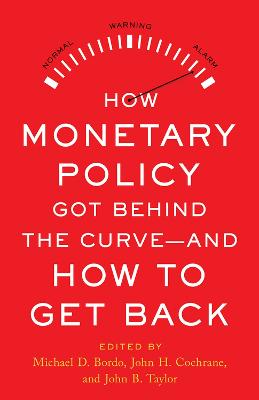
Preface Michael D. Bordo John H. Cochrane John B. Taylor One Introductory Remarks Condoleezza Rice What Monetary Policy Rules and Strategies Say Two Perspectives on US Monetary Policy Richard H. Clarida Three A Labor Market View on Inflation Lawrence H. Summers Four It's Time to Get Back to Rules-Based Monetary Policy John B. Taylor Introductory Remarks Tom Stephenson General Discussion Robert Hall Terry Anderson Krishna Guha Ellen Meade Fiscal Policy and Other Explanations Five Inflation Past, Present, and Future: Fiscal Shocks, Fed Response, and Fiscal Limits John H. Cochrane Six How Monetary Policy Got So Far Behind the Curve: The Role of Fiscal Policy Tyler Goodspeed Seven Current Market Perspectives Beth Hammack Introductory Remarks Charles I. Plosser General Discussion Krishna Guha Mickey D. Levy James Bullard Richard H. Clarida Markos Kounalakis The Fed's Delayed exits from Monetary Ease Eight The Fed's Monetary Policy Exit Once Again Behind the Curve Michael D. Bordo Mickey D. Levy Discussant Remarks Jennifer Burns Introductory Remarks Kevin Warsh General Discussion Ricardo Reis Richard H. Clarida James Bullard Inflation Risks Nine The Burst of High Inflation in 2021--22: How and Why Did We Get Here? Ricardo Reis Discussant Remarks Volker Wieland Introductory Remarks Arvind Krishnamurthy General Discussion Robert Hall James Bullard Patrick Kehoe Marc Katz Elena Pastorino World Wars Fiscal-Monetary Consequences Ten Financing Big US Federal Expenditures Surges: COVID-19 and Earlier US Wars George J. Hall Thomas J. Sargent Discussant Remarks Ellen R. McGrattan Introductory Remarks John Lipsky General Discussion James Bullard Krishna Guha Michael D. Bordo William Nelson Robert Hall John H. Cochrane Patrick Kehoe Toward a Monetary Policy Strategy Eleven Is the Fed "Behind the Curve"? Two Interpretations James Bullard Twelve Strategy and Execution in US Monetary Policy 2021--22 Randal Quarles Thirteen Reflections on Monetary Policy in 2021 Christopher J. Waller Introductory Remarks Joshua Rauh General Discussion David H. Papell Mickey D. Levy Tyler Goodspeed John A. Gunn John H. Cochrane Nick Timiraos Andrew Levin William Nelson Fourteen Inflation Blues: The Fortieth-Anniversary Revival? Monika Piazzesi General Discussion James Bullard Krishna Guha Arvind Krishnamurthy Axel Merk David H. Papell About the Contributors About the Hoover Institution's Economic Policy Working Group Index
이용현황보기
How monetary policy got behind the curve-and how to get back 이용현황 표 - 등록번호, 청구기호, 권별정보, 자료실, 이용여부로 구성 되어있습니다.
등록번호
청구기호
권별정보
자료실
이용여부
0003029098
332.4973 -A23-4
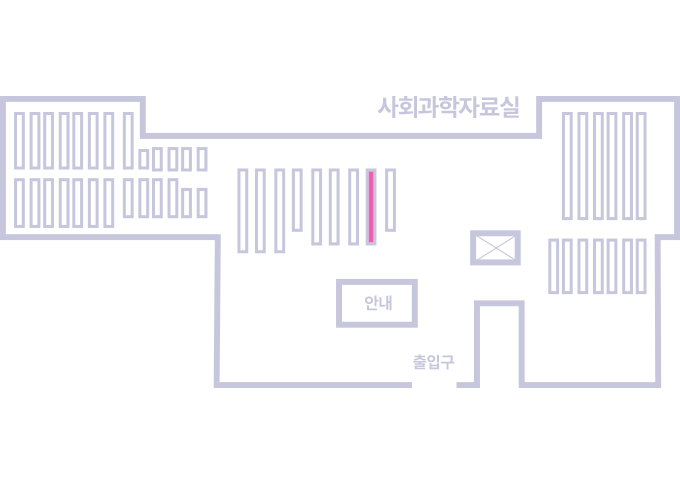
서울관 서고(열람신청 후 1층 대출대)
이용가능
출판사 책소개
Low interest rates and high money growth are inappropriate given high inflation and evidence that the United States has recovered from the deep recession induced by the pandemic and its policy response in 2020. The thoughtful papers in this volume illustrate the debate about the reasons for this mismatch, as well as how to get back on track.
With the inflation rate in the United States and many other countries on the rise for over a year and nearing double digits, the Hoover Institution hosted its 2022 conference on monetary policy. Policy makers, market participants, and academic researchers gathered to discuss the situation. Many agreed that low interest rates and high money growth were inappropriate given the high inflation rate and evidence that the United States has recovered from the deep recession induced by the pandemic and its policy response in 2020. The thoughtful papers and the thorough discussions in this volume of conference proceedings illustrate the debate about the reasons for this mismatch, as well as how to get back on track. They reflect a range of opinions and perspectives, including examination of the fiscal shock resulting from the COVID pandemic and the related borrowing and spending; emphasis on the value of adherence to rules versus discretion in setting Fed policy; lessons from history in the spikes in federal expenditures during times of war (including the pandemic) and in the timing of the Fed's use of its policy instruments; the role of central banks in the emerging inflation crisis; and s


 대표어