본문 바로가기 주메뉴 바로가기

전체메뉴

국회도서관 홈으로 정보검색 소장정보 검색

결과 내 검색

동의어 포함

목차보기


Contributors
Preface
About the editors
1: Comprehensive biomass characterization in preparation for conversion
Abstract
1: Introduction
2: Biomass conversion processes
3: Biomass properties in preparation for biological conversion
4: Biomass properties in preparation for thermochemical conversion
5: Conclusion
Questions and problems
References
2: Biomass carbonization technologies
Abstract
Acknowledgment
1: Introduction
2: Char physicochemical properties
3: Effect of operational variables on the yield and quality of charcoal
4: Carbonization reactions
5: Equipment for carbonization processes
6: Conclusions
Questions and problems
References
3: Physicochemical characterization of biochar derived from biomass
Abstract
1: Introduction
2: Thermal conversion processes for the production of biochar
3: Physical properties of biochar
4: Important thermal related properties
5: Summary of standard methods for biochar analysis
6: Biochar conversion into activated carbon and performance analysis
7: Conclusions
Questions, concepts, definitions, and problems
References
4: Biochar characterization for water and wastewater treatments
Abstract
1: Introduction
2: Laboratory Analysis of biochar
3: Summary
Questions and problems
References
5: Biochar adsorption system designs
Abstract
Acknowledgments
1: Introduction
2: Sorption isotherm models
3: Sorption kinetic models
4: Sorption column design
5: Fixed-bed operation and design
6: Conclusions
Questions and Problems
References
6: Techno-economic analysis of biochar in wastewater treatment
Abstract
1: Introduction
2: Biochar markets and economics
3: Biochar costs in wastewater facilities
4: Biochar production
5: Biochar market drivers
6: Conclusions
Questions and problems
References
7: Retention of oxyanions on biochar surface
Abstract
1: Introduction
2: Motivation for removing oxyanions of interest
3: Chemical properties of biochar influencing oxyanion sorption
4: Feedstock and pyrolysis temperatures influence on surface chemistry and physical properties of biochar
5: Physical properties of biochar influencing oxyanion sorption
6: Applications of biochar for removing oxyanions from water and wastewater
7: Conclusions and future perspectives
Questions and problems
References
8: Arsenic removal from household drinking water by biochar and biochar composites: A focus on scale-up
Abstract
1: Introduction
2: Biochar-based adsorbent synthesis
3: Adsorbent performance testing for scaled-up drinking water arsenic treatment
4: Conclusions
Questions and problems
References
9: Application of biochar for the removal of actinides and lanthanides from aqueous solutions
Abstract
1: Introduction
2: Biochar and engineered biochar
3: Sorption performance and dynamics
4: Scaling up: From batch to column configuration
5: Conclusions, gaps, and future perspectives
Questions and problems
References
10: Microplastic removal from water and wastewater by carbon-supported materials
Abstract
1: Introduction
2: Microplastics—Sources and effects in the aquatic environment
3: Analysis methods for microplastics
4: Microplastic retention by biochars and activated carbons
5: Conclusions
Questions and problems
References
11: Sorptive removal of pharmaceuticals using sustainable biochars
Abstract
Acknowledgments
1: Introduction
2: Pharmaceuticals: Emerging contaminants
3: Biochar as an adsorbent
4: Pharmaceutical sorption onto biochar
5: Conclusions and recommendations
Questions and problems
References
12: Dye removal using biochars
Abstract
Acknowledgment
1: Introduction
2: Classification of dyestuffs
3: Dye removal technologies
4: Adsorption technology
5: Dye removal using adsorption onto biochars
6: Summary
Questions and problems
References
Further reading
13: Biochar as a potential agent for the remediation of microbial contaminated water
Abstract
1: Introduction
2: Water sources and microbial contamination
3: Mechanisms of microbial decontamination using biochar
4: Recommendation and conclusion
Questions and problems
References
14: Biochar-based constructed wetland for contaminants removal from manure wastewater
Abstract
1: Introduction
2: Objectives
3: Methods
4: Batch sorption of nutrients in CAFO wastewater by biochar
5: Greenhouse study
6: Greenhouse CTW results and discussion
7: Conclusions
Questions and problems
References
15: Biochar and biochar composites for oil sorption
Abstract
1: Introduction
2: Uptake performance
3: Uptake mechanisms
4: Conclusions, challenges, and gaps
Questions and problems
References
16: Biochar and biochar composites for poly- and perfluoroalkyl substances (PFAS) sorption
Abstract
1: Introduction
2: Breakthrough column studies and pilot scale testing
3: Sorption interactions
4: Conclusions, gaps, and future studies
Questions and problems
References
17: Simple modeling approaches to monitor and predict organic contaminant adsorption by biochar
Abstract
1: Introduction
2: Relationships between OC adsorption capacity with surface area and H:C ratios
3: Modeling the influence of OC concentration on adsorption by biochar
4: Estimating biochar adsorber performance from batch adsorption data
5: Using ultraviolet absorbance to monitor OC breakthrough in biochar column adsorbers
6: Summary
Questions and problems
References
18: Nanoscale zero-valent iron-decorated biochar for aqueous contaminant removal
Abstract
Acknowledgments
1: Introduction
2: Synthesis of nZVI and biochar-supported nZVI
3: Advantages of biochar as the nZVI support
4: Characterization of nZVI@BC
5: nZVI@BC for water remediation
6: Conclusions and future perspectives
Questions and problems
References
19: An insight into the sorptive interactions between aqueous contaminants and biochar
Abstract
1: Introduction
2: Structural changes that occur in biomass during biochar production
3: Common functional moieties in biochar and adsorbates
4: Biochar-based sorptive interactions
5: Factors effecting the BC-adsorbate interactions
6: Prediction of contaminant-biochar interactions
7: Conclusions
Questions and problems
References
20: Nanobiochar for aqueous contaminant removal
Abstract
1: Introduction
2: Nanobiochar preparation methods
3: Comparative evaluation of pristine and nanobiochar properties
4: Nanobiochars for aqueous contaminant removal
5: Conclusions and future recommendations
Questions and problems
References
21: Life cycle analysis of biochar use in water treatment plants
Abstract
1: Introduction
2: Fundamentals of life cycle analysis (LCA)
3: LCA of biochar production
4: Case study: Biochar production from corn stover
5: LCA of biochar use in wastewater treatment
6: Critical discussion
7: Conclusions
Questions and problems
Appendix
References
22: Optimizing biochar adsorption relative to activated carbon in water treatment
Abstract
1: Introduction
2: Non-adsorptive qualities
3: Adsorptive performance comparison in water and wastewater treatment
4: Emerging biochar enhancement methods
5: Summary
Questions and problems
References
23: Biochar-assisted advanced oxidation processes for wastewater treatment
Abstract
1: Introduction
2: Biochar-based catalysts
3: Biochar application in AOPs
4: Summary and future perspectives
Questions and problems
References
Further reading
Index

이용현황보기

Sustainable biochar for water and wastewater treatment 이용현황 표 - 등록번호, 청구기호, 권별정보, 자료실, 이용여부로 구성 되어있습니다.
등록번호 청구기호 권별정보 자료실 이용여부
0003040628 662.88 -A23-5 서울관 서고(열람신청 후 1층 대출대) 이용가능

출판사 책소개

알라딘제공

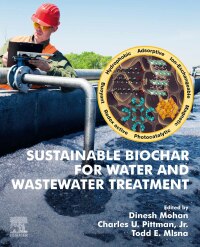
Sustainable Biochar for Water and Wastewater Treatment addresses the world-wide water contamination and scarcity problem by presenting an innovative and cost-efficient solution. This book directly deals with the SUSTAINABLE DEVELOPMENT GOAL 6: Ensure availability and sustainable management of water and sanitation for all. Each chapter is authored by a respected expert in the field of water and wastewater treatment, with each chapter including case studies, worked examples and exercises. As such, this book is the perfect introduction to the field and is multipurpose in that it can be used for teaching, learning, research and practice. This book is invaluable for undergraduate level and above in water science, environmental sciences, soil science, material sciences and engineering, chemical sciences and engineering, and biological sciences.?

Through Sustainable Biochar for Water and Wastewater Treatment various aspects of biochar requirements for use in adsorption science and technology are covered. It includes vital information on this hot topic and provides a real solution to the global issues of water contamination and scarcity.


Feature

  • Presents case studies in each chapter, making this applicable for those who want to implement examples into their own work
  • Each chapter includes example calculations with an exercise at the end of each chapter, making this a great teaching tool
  • Includes excel spreadsheets online, perfect for use as a laboratory guide


