
 대표어
대표어
권호기사보기
| 기사명 | 저자명 | 페이지 | 원문 | 기사목차 |
|---|
결과 내 검색
동의어 포함
| 등록번호 | 청구기호 | 권별정보 | 자료실 | 이용여부 |
|---|---|---|---|---|
| 0003052830 | 327.172 -A23-7 | 서울관 서고(열람신청 후 1층 대출대) | 이용가능 |

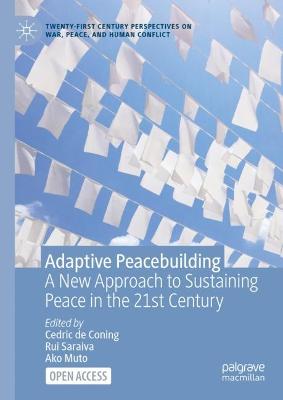
Given the urgency and complexity of current armed conflict trends and the lack of effectiveness on the ground of determined-designed peacebuilding interventions in several regions, this open access book explores the UN’s sustaining peace approach, as well as one new emerging method for pursuing it, namely adaptive peacebuilding. The goal is to make policy audiences aware of alternative peacebuilding approaches in addressing current challenges related to violent armed conflicts.
In addition, the book assesses the potential of adaptive peacebuilding versus determined-designed approaches by considering evidence-based research from case studies in four regional contexts ? Africa, Asia, the Middle East, and Latin America. It also focuses on how international peacebuilders design, implement and evaluate peacebuilding programs in contemporary conflict-affected situations. Through empirical research, this study analyzes various peacebuilding interactions between external and local actors and how they have facilitated or hindered the peacebuilding process in each case study. The researchers placed particular emphasis on issues related to the complexity of armed conflicts and the adaptiveness of respective peacebuilding interventions.The book further sheds light on the peacebuilding contributions of two major Asia-Pacific countries, supporting peacebuilding actions in complex, protracted, and recurring conflict. The aim is to provide a structured analysis on recent peacebuilding initiatives by relevant Non-Western peacebuilding countries, taking China and Japan as case studies, and identify if there is an evident shift in their peacebuilding approaches and how determined-designed or adaptive their approaches are.
New feature
Given the urgency and complexity of current armed conflict trends and the lack of effectiveness on the ground of determined-designed peacebuilding interventions in several regions, this open access book explores the UN’s sustaining peace approach, as well as one new emerging method for pursuing it, namely adaptive peacebuilding. The goal is to make policy audiences aware of alternative peacebuilding approaches in addressing current challenges related to violent armed conflicts.
In addition, the book assesses the potential of adaptive peacebuilding versus determined-designed approaches by considering evidence-based research from case studies in four regional contexts ? Africa, Asia, the Middle East, and Latin America. It also focuses on how international peacebuilders design, implement and evaluate peacebuilding programs in contemporary conflict-affected situations. Through empirical research, this study analyzes various peacebuilding interactions between external and local actors and how they have facilitated or hindered the peacebuilding process in each case study. The researchers placed particular emphasis on issues related to the complexity of armed conflicts and the adaptiveness of respective peacebuilding interventions.The book further sheds light on the peacebuilding contributions of two major Asia-Pacific countries, supporting peacebuilding actions in complex, protracted, and recurring conflict. The aim is to provide a structured analysis on recent peacebuilding initiatives by relevant Non-Western peacebuilding countries, taking China and Japan as case studies, and identify if there is an evident shift in their peacebuilding approaches and how determined-designed or adaptive their approaches are.
Cedric de Coning is Research Professor with the Norwegian Institute of International Affairs (NUPI), and Senior Advisor with the African Center for the Constructive Resolution of Disputes (ACCORD).
Ako Muto is Executive Senior Research Fellow at the Japan International Cooperation Agency (JICA) Ogata Sadako Research Institute for Peace and Development.
Rui Saraiva is Research Fellow at the Japan International Cooperation Agency (JICA) Ogata Sadako Research Institute for Peace and Development.
*표시는 필수 입력사항입니다.
| 전화번호 |
|---|
| 기사명 | 저자명 | 페이지 | 원문 | 기사목차 |
|---|
| 번호 | 발행일자 | 권호명 | 제본정보 | 자료실 | 원문 | 신청 페이지 |
|---|
도서위치안내: / 서가번호:

우편복사 목록담기를 완료하였습니다.
*표시는 필수 입력사항입니다.
저장 되었습니다.
