
 대표어
대표어
권호기사보기
| 기사명 | 저자명 | 페이지 | 원문 | 기사목차 |
|---|
결과 내 검색
동의어 포함
How differing forms of repression shape the outcomes of democratic transitions
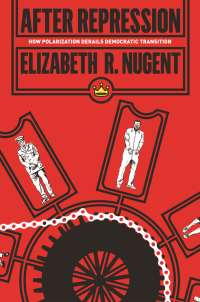
In the wake of the Arab Spring, newly empowered factions in Tunisia and Egypt vowed to work together to establish democracy. In Tunisia, political elites passed a new constitution, held parliamentary elections, and demonstrated the strength of their democracy with a peaceful transfer of power. Yet in Egypt, unity crumbled due to polarization among elites. Presenting a new theory of polarization under authoritarianism, After Repression reveals how polarization and the legacies of repression led to these substantially divergent political outcomes.
Drawing on original interviews and a wealth of new historical data, Elizabeth Nugent documents polarization among the opposition in Tunisia and Egypt prior to the Arab Spring, tracing how different kinds of repression influenced the bonds between opposition groups. She demonstrates how widespread repression created shared political identities and decreased polarization―such as in Tunisia―while targeted repression like that carried out against the Muslim Brotherhood in Egypt led opposition groups to build distinct identities that increased polarization among them. This helps explain why elites in Tunisia were able to compromise, cooperate, and continue on the path to democratic consolidation while deeply polarized elites in Egypt contributed to the rapid reentrenchment of authoritarianism.
Providing vital new insights into the ways repression shapes polarization, After Repression helps to explain what happened in the turbulent days following the Arab Spring and illuminates the obstacles to democratic transitions around the world.
| 등록번호 | 청구기호 | 권별정보 | 자료실 | 이용여부 |
|---|---|---|---|---|
| 0003055633 | 321.8 -A24-2 | 서울관 서고(열람신청 후 1층 대출대) | 이용가능 |

How differing forms of repression led to substantially divergent political outcomes in Tunisia and Egypt following the Arab Spring
In the wake of the Arab Spring, newly empowered factions in Tunisia and Egypt vowed to work together to establish democracy. In Tunisia, political elites passed a new constitution, held parliamentary elections, and demonstrated the strength of their democracy with a peaceful transfer of power. Yet in Egypt, unity crumbled due to polarization among elites. Presenting a new theory of polarization under authoritarianism, After Repression reveals how polarization and the legacies of repression shape the divergent outcomes of democratic transitions.
Drawing on original interviews and a wealth of new historical data, Elizabeth Nugent documents polarization among the opposition in Tunisia and Egypt prior to the Arab Spring, tracing how different kinds of repression influenced the bonds between opposition groups. She demonstrates how widespread repression created shared political identities and decreased polarization?such as in Tunisia?while targeted repression like that carried out against the Muslim Brotherhood in Egypt led opposition groups to build distinct identities that increased polarization among them. This helps explain why elites in Tunisia were able to compromise, cooperate, and continue on the path to democratic consolidation while deeply polarized elites in Egypt contributed to the rapid reentrenchment of authoritarianism.
Providing vital new insights into the ways repression shapes polarization, After Repression helps to explain what happened in the turbulent days following the Arab Spring and illuminates the obstacles to democratic transitions around the world.
*표시는 필수 입력사항입니다.
| 전화번호 |
|---|
| 기사명 | 저자명 | 페이지 | 원문 | 기사목차 |
|---|
| 번호 | 발행일자 | 권호명 | 제본정보 | 자료실 | 원문 | 신청 페이지 |
|---|
도서위치안내: / 서가번호:

우편복사 목록담기를 완료하였습니다.
*표시는 필수 입력사항입니다.
저장 되었습니다.
