
 대표어
권호기사보기
| 기사명 | 저자명 | 페이지 | 원문 | 기사목차 |
|---|
결과 내 검색
동의어 포함
| 등록번호 | 청구기호 | 권별정보 | 자료실 | 이용여부 |
|---|---|---|---|---|
| 0003058838 | 306.2 -A24-1 | 서울관 서고(열람신청 후 1층 대출대) | 이용가능 |

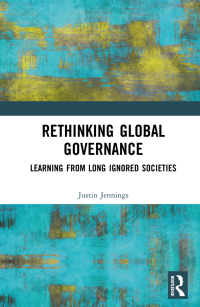
This book argues that long-ignored, non-western political systems from the distant and more recent past can provide critical insights into improving global governance.
These societies show how successful collection action can occur by dividing sovereignty, consensus building, power from below, and other mechanisms. For a better tomorrow, we need to free ourselves of the colonial constraints on our political imagination. A pandemic, war in Europe, and another year of climatic anomalies are among the many indications of the limits of global governance today. To meet these challenges, we must look far beyond the status quo to the thousands of successful mechanisms for collective action that have been cast aside a priori because they do not fit into Western traditions of how people should be organized. Coming from long past or still enduring societies often dismissed as “savages” and “primitives” until well into the twentieth century, the political systems in this book were often seen as too acephalous, compartmentalized, heterarchical, or anarchic to be of use. Yet as globalization makes international relations more chaotic, long-ignored governance alternatives may be better suited to today’s changing realities. Understanding how the Zulu, Trypillian, Alur, and other collectives worked might be humanity’s best hope for survival.
This book will be of interest both to those seeking to apply archaeological and ethnographic data to issues of broad contemporary concern and to academics, politicians, policy makers, students, and the general public seeking possible alternatives to conventional thinking in global governance.
Rethinking Global Governance argues that long-ignored, non-western political systems from the distant and more recent past can provide critical insights into improving global governance.
*표시는 필수 입력사항입니다.
| 전화번호 |
|---|
| 기사명 | 저자명 | 페이지 | 원문 | 기사목차 |
|---|
| 번호 | 발행일자 | 권호명 | 제본정보 | 자료실 | 원문 | 신청 페이지 |
|---|
도서위치안내: / 서가번호:

우편복사 목록담기를 완료하였습니다.
*표시는 필수 입력사항입니다.
저장 되었습니다.
