
 대표어
대표어
권호기사보기
| 기사명 | 저자명 | 페이지 | 원문 | 기사목차 |
|---|
결과 내 검색
동의어 포함
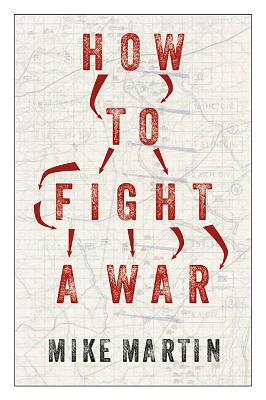
Has any war in history gone according to plan? Monarchs, dictators and elected leaders alike have a dismal record on military decision-making, from over-ambitious goals to disregarding intelligence, terrain, or enemy capabilities. This not only wastes the lives of civilians, the enemy and one's own soldiers, but also fails to achieve geopolitical objectives, and usually lays the seeds for more wars down the line.
Conflict scholar and former soldier Mike Martin takes the reader through the hard, elegant logic to fighting a conclusive interstate war that solves geopolitical problems, and reduces future conflict. In cool and precise prose, he outlines how to orchestrate military forces, from infantry to information, and from strategy to tactics.
| 등록번호 | 청구기호 | 권별정보 | 자료실 | 이용여부 |
|---|---|---|---|---|
| 0003059027 | 355.02 -A24-1 | 서울관 서고(열람신청 후 1층 대출대) | 이용가능 |

*표시는 필수 입력사항입니다.
| 전화번호 |
|---|
| 기사명 | 저자명 | 페이지 | 원문 | 기사목차 |
|---|
| 번호 | 발행일자 | 권호명 | 제본정보 | 자료실 | 원문 | 신청 페이지 |
|---|
도서위치안내: / 서가번호:

우편복사 목록담기를 완료하였습니다.
*표시는 필수 입력사항입니다.
저장 되었습니다.
