대표어
권호기사보기
| 기사명 | 저자명 | 페이지 | 원문 | 기사목차 |
|---|
결과 내 검색
동의어 포함
| 등록번호 | 청구기호 | 권별정보 | 자료실 | 이용여부 |
|---|---|---|---|---|
| 0003066204 | LM 344.049 -A24-2 | 서울관 서고(열람신청 후 1층 대출대) | 이용가능 |

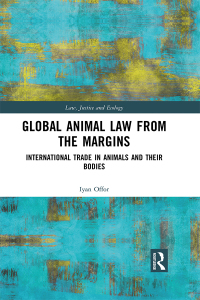
This book critically engages the emerging field of global animal law from the perspective of an intersectional ethical framework.
Reconceptualising global animal law, this book argues that global animal law overrepresents views from the west as it does not sufficiently engage views from the Global South, as well as from Indigenous and other marginalised communities. Tracing this imbalance to the early development of animal law’s reaction to issues of international trade, the book elicits the anthropocentrism and colonialism that underpin this bias. In response, the book outlines a new, intersectional, second wave of animal ethics. Incorporating marginalised viewpoints, it elevates the field beyond the dominant concern with animal welfare and rights. And, drawing on aspects of decolonial thought, earth jurisprudence, intersectionality theory and posthumanism, it offers a fundamental rethinking of the very basis of global animal law.
The book's critical, yet practical, new approach to global animal law will appeal to animal law and environmental law experts, legal theorists, and those working in the areas of animal studies and ecology.
This book critically engages the emerging field of global animal law from the perspective of an intersectional ethical framework.
*표시는 필수 입력사항입니다.
| 전화번호 |
|---|
| 기사명 | 저자명 | 페이지 | 원문 | 기사목차 |
|---|
| 번호 | 발행일자 | 권호명 | 제본정보 | 자료실 | 원문 | 신청 페이지 |
|---|
도서위치안내: / 서가번호:

우편복사 목록담기를 완료하였습니다.
*표시는 필수 입력사항입니다.
저장 되었습니다.