
 대표어
대표어
권호기사보기
| 기사명 | 저자명 | 페이지 | 원문 | 기사목차 |
|---|
결과 내 검색
동의어 포함
| 등록번호 | 청구기호 | 권별정보 | 자료실 | 이용여부 |
|---|---|---|---|---|
| 0003070513 | 577.7 -A24-1 | 서울관 서고(열람신청 후 1층 대출대) | 이용가능 |

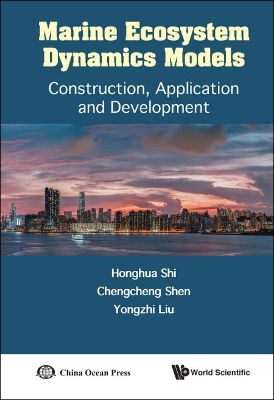
This book presents the fundamental theories, methodologies and case studies of marine ecosystem modeling with a special focus on marine ecological dynamics that could provide scientists and researchers with a stabile and reliabile technical framework to study marine life and their developments.
This book also clarifies the research objective and model classification methods of marine ecosystem dynamics research and analyzes the key marine ecological processes that affect modeling. The technical framework for improving the performance of modeling is also proposed, and the latest progress in research, as well as existing difficulties and challenges in end-to-end dynamics models are reviewed and analyzed. A dimensionality reduction theorem is established and derived for analyzing the stability of the solutions of a class of self-conserving marine ecosystem dynamic models. Also included in this work are several new types of marine ecosystem dynamics models constructed by modern computing methods - including artificial neural networks, cellular automata, and statistical dynamics - and case studies.
This book is a suitable reference for professional and technical personnel, managers and graduate students specializing in the evolution mechanism, simulation, predication and regulation of marine ecosystems.
*표시는 필수 입력사항입니다.
| 전화번호 |
|---|
| 기사명 | 저자명 | 페이지 | 원문 | 기사목차 |
|---|
| 번호 | 발행일자 | 권호명 | 제본정보 | 자료실 | 원문 | 신청 페이지 |
|---|
도서위치안내: / 서가번호:

우편복사 목록담기를 완료하였습니다.
*표시는 필수 입력사항입니다.
저장 되었습니다.
