
 대표어
권호기사보기
| 기사명 | 저자명 | 페이지 | 원문 | 기사목차 |
|---|
결과 내 검색
동의어 포함
| 등록번호 | 청구기호 | 권별정보 | 자료실 | 이용여부 |
|---|---|---|---|---|
| 0003070586 | 327.101 -A24-4 | 서울관 서고(열람신청 후 1층 대출대) | 이용가능 |

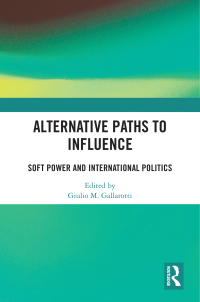
This book offers new and cutting-edge analyses of under-explored subjects and issues in the realm of soft power. It attempts to fill significant scholarly gaps in understanding the process by which soft power is created, as well as gaps in demonstrating its impact.
Soft power is one of the most influential ideas in the study of international politics over the past thirty years. Can nations attain their most vital foreign policy objectives in agreeable ways? Advocates of the concept of soft power have vociferously answered in the affirmative. After many years of thinking in the field of international affairs that the only effective path to influence in international politics was military and economic power, the idea of soft power offers new and exciting possibilities of gaining such influence through a more benign path, one that elevates cooperation and esteem as preferred alternatives to violence, threat and military capacity. This book posits that the realization of the full potential of soft power as a foundation for international relations is a crucial goal for our present world, one beset by war and planetary crises.
The book will be of special interest to researchers across political science, international relations, cultural studies and foreign policy. It was originally published as a special issue of the Journal of Political Power.
This book offers new and cutting-edge analyses of under-explored subjects and issues in the realm of soft power. It attempts to fill significant scholarly gaps in understanding the process by which soft power is created, as well as gaps in demonstrating its impact.
*표시는 필수 입력사항입니다.
| 전화번호 |
|---|
| 기사명 | 저자명 | 페이지 | 원문 | 기사목차 |
|---|
| 번호 | 발행일자 | 권호명 | 제본정보 | 자료실 | 원문 | 신청 페이지 |
|---|
도서위치안내: / 서가번호:

우편복사 목록담기를 완료하였습니다.
*표시는 필수 입력사항입니다.
저장 되었습니다.
